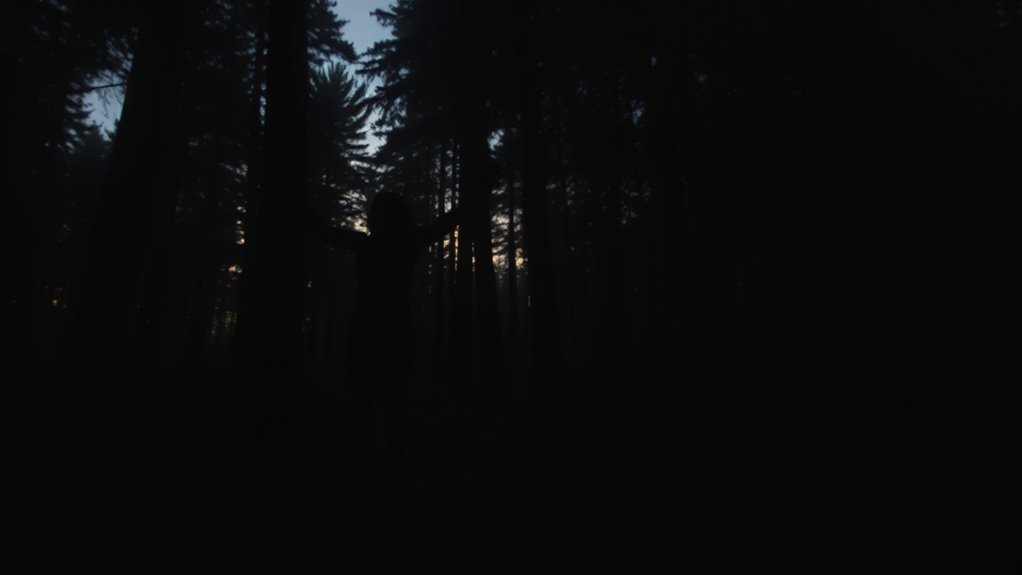

Shadow people are fleeting, dark shapes often glimpsed at the edge of your vision, especially during stress, exhaustion, or sleep paralysis. They usually appear as tall, humanoid silhouettes that vanish when you try to look directly at them. Many believe they are supernatural entities, hallucinations, or projections of your subconscious fears. These encounters can evoke fear and confusion, blurring reality and the unknown. If you continue exploring, you’ll discover more about their mysterious nature and possible explanations.

Get books and cozy reading nights delivered free with Prime
- Fast, free delivery on millions of items
- Prime Video, Amazon Music and more included
- Member-only deals all year
Key Takeaways
- Shadow people are dark, humanoid figures often seen in peripheral vision during sleep paralysis or moments of stress.
- They typically appear as flickering, shimmering silhouettes that vanish when directly observed.
- Scientific explanations suggest they are hallucinations resulting from brain activity during sleep-wake transitions.
- Cultural and psychological factors influence perceptions, with some viewing them as spirits, interdimensional beings, or subconscious fears.
- Encounters often evoke fear and curiosity, blurring the line between reality and paranormal phenomena.
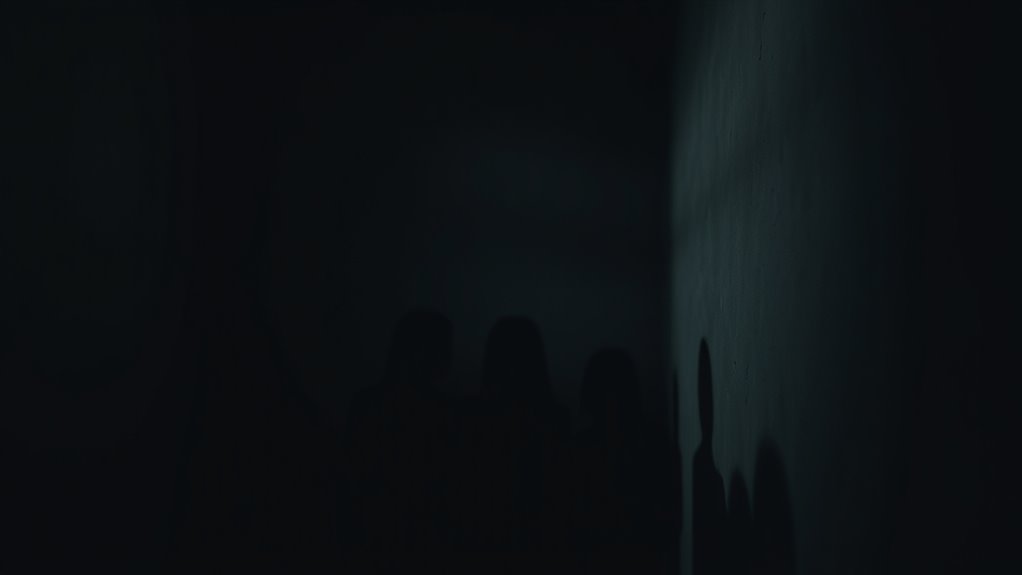
Have you ever sensed a dark, fleeting figure just out of the corner of your eye? That shadowy form that disappears when you turn to look directly at it? Many people report experiences like this, often describing them as paranormal encounters with shadow people. These mysterious figures are usually seen in peripheral vision, and their sudden appearance can trigger a mix of fear and curiosity. Sometimes, you might catch a glimpse of a tall, humanoid shape, or a dark silhouette that seems to flicker or shimmer at the edge of your awareness. These encounters often leave you questioning whether they’re supernatural entities or just tricks of the mind.
Fleeting shadow figures often appear in peripheral vision, stirring fear and curiosity about their true nature.
One common context where shadow people appear is during sleep paralysis. If you’ve ever woken up unable to move, feeling a heavy presence in the room, you may have experienced a form of sleep paralysis that coincides with seeing shadow figures. During these episodes, your mind is caught between wakefulness and sleep, and hallucinations can manifest as dark, shadowy shapes looming in your field of vision. The sensation is intensely real—like an invisible weight pressing down on your chest, amplifying your fear. This overlap between sleep paralysis and paranormal encounters has led many to believe these shadowy figures are spirits or interdimensional beings, but science suggests they may be a product of brain activity gone awry.
When you find yourself in the grip of sleep paralysis, your brain continues to generate visual and auditory hallucinations, despite your body being temporarily immobilized. This can make the shadow people seem to move, loom over you, or even communicate in some cases. Whether they’re malevolent or benign, their presence adds an extra layer of terror to an already frightening experience. It’s easy to feel helpless, especially when you’re caught between consciousness and sleep, unable to scream or wake yourself fully. The fear of these encounters can linger long after the episode ends, prompting questions about their true nature.
Some believe shadow people are manifestations of suppressed fears, subconscious projections, or even portals to other dimensions. Others consider them purely psychological phenomena, triggered by stress, exhaustion, or sleep deprivation. Recent research into persuasive words highlights how language can influence perception and emotional response, which might also explain how these encounters are shaped by individual belief systems. Regardless of their origins, these encounters leave a lasting impression. They tap into primal fears of darkness and the unknown, making them one of the most intriguing mysteries in paranormal research. If you’ve experienced such encounters, you’re not alone. Many share similar stories of fleeting shadows that haunt their sleep and waking hours, blurring the line between reality and the supernatural.
As an affiliate, we earn on qualifying purchases.
Frequently Asked Questions
Are Shadow People Always Malevolent?
No, shadow people aren’t always malevolent. In your supernatural encounters, some see them as benign or even protective spirits, while others interpret them through cultural lenses as omens or spirits. Their intentions aren’t always clear, and your perception depends on personal experiences and cultural background. Don’t assume they’re automatically evil; many believe shadow people are simply manifestations of the unknown, with intentions that vary widely.
Can Shadow People Interact Physically?
You might wonder if shadow people can interact physically during paranormal encounters. While most sightings show them as fleeting, dark silhouettes, some reports suggest rare, unsettling moments when they seem to reach out or push. Imagine the chill of a shadow stretching toward you, almost tangible. Though physical interaction is rare, these sightings leave an eerie impression, fueling the mystery of shadow people and their elusive presence in paranormal encounters.
Do Shadow People Appear More in Certain Locations?
You’re more likely to see shadow people in haunted locations or places linked to urban legends. These areas often have a history of strange phenomena, which seems to attract these mysterious figures. Dark, quiet, and abandoned spaces also increase your chances of spotting shadow people. If you visit places with a spooky reputation, stay alert—these locations seem to amplify the presence of shadowy figures, adding to their eerie reputation.
Are Shadow People Linked to Specific Mental Health Issues?
You might wonder if shadow people are linked to mental health issues, and the answer is yes, sometimes. Psychological interpretations suggest they could be symptoms of sleep paralysis or anxiety, while cultural symbolism links them to spirits or omens. While not definitive, these encounters can feel overwhelmingly real, making your mind race. If you see shadow people often, it’s worth exploring your mental health and seeking support, because your mind can play tricks on you.
How Can One Protect Themselves From Shadow People?
To protect yourself from shadow people, focus on improving your sleep hygiene by establishing a consistent bedtime, reducing screen time before sleep, and creating a calm environment. You can also use protective talismans or symbols that hold personal significance to shield your energy. Remember to stay positive and grounded, as maintaining mental and emotional well-being helps diminish the likelihood of shadow people affecting you.
Conclusion
Don’t dismiss shadow people as just tricks of the mind. Many have experienced these fleeting figures and found them unsettling. Ignoring them won’t make them go away; instead, it’s better to stay aware and trust your intuition. Whether you believe they’re malevolent or simply misunderstood, paying attention might help you understand what’s lurking in the shadows. Stay alert, and remember—you’re not alone in questioning these mysterious encounters.
Fall Picks
fall essentials
As an affiliate, we earn on qualifying purchases.