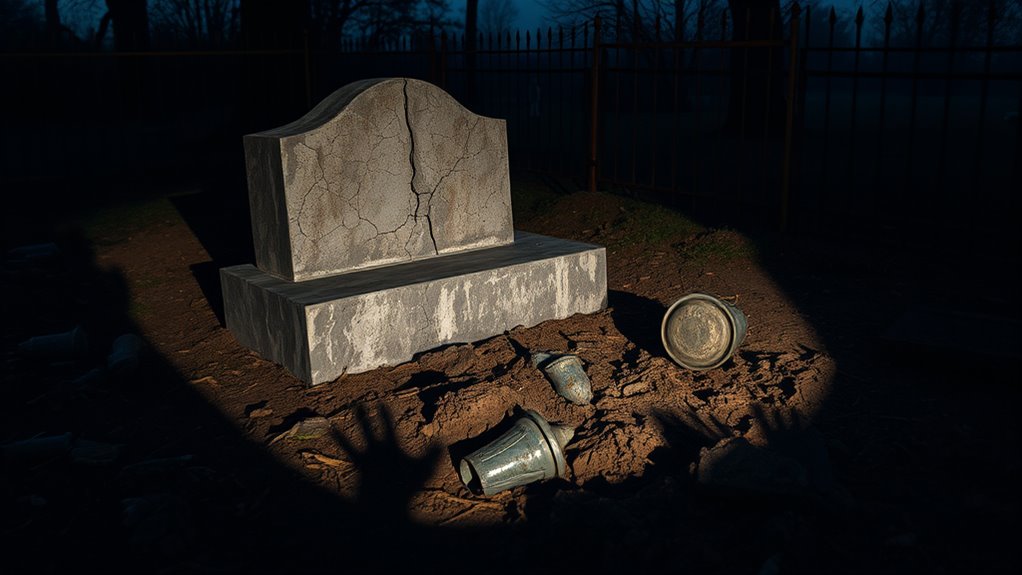

Grave robbing laws and scandals stem from a long history of protecting burial sites from theft driven by greed, cultural beliefs, and the desire for valuables like gold and artifacts. Early laws criminalized such acts and emphasized respecting the dead, evolving over time into strict regulations to safeguard cultural heritage. These laws also aim to prevent scandals that threaten the integrity of archaeological research and cultural patrimony. If you keep exploring, you’ll uncover more about how these rules shape our respect for history today.
Key Takeaways
- Historically, grave robbing was driven by greed for valuables, prompting the development of laws to deter theft and protect cultural heritage.
- Legal reforms criminalized grave robbing, imposing penalties and emphasizing respect for the dead and archaeological sites.
- Laws aim to preserve cultural, historical, and scientific information found in burial sites, preventing theft and illegal excavations.
- Modern regulations require permits and oversight for excavations, ensuring ethical treatment and dignified handling of graves.
- Grave robbing scandals highlight ongoing conflicts between cultural preservation, legal enforcement, and illicit looting activities.
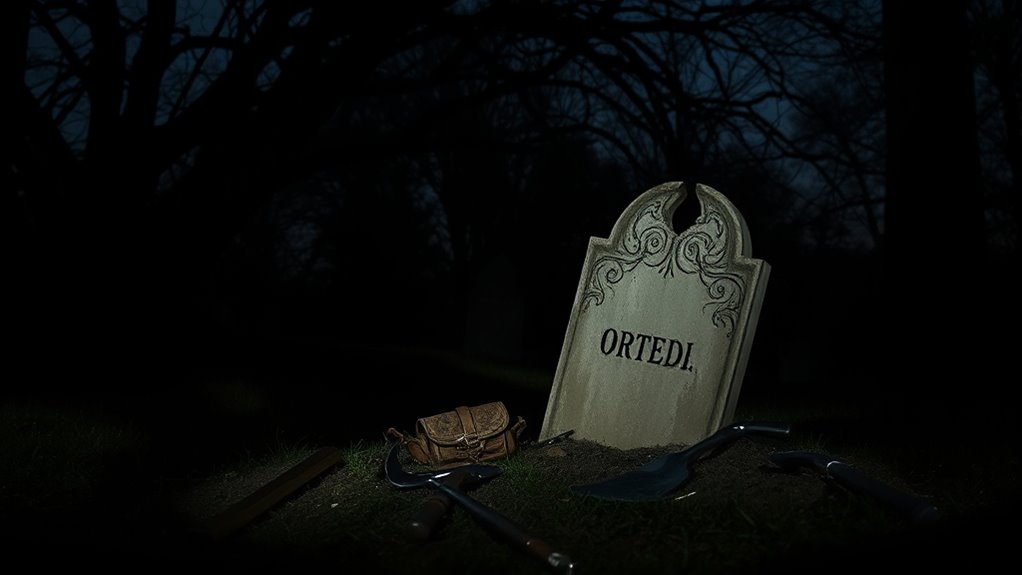
Throughout history, grave robbing has sparked scandal and controversy, prompting governments to establish strict laws to protect the deceased and their resting places. You might wonder what drives people to disturb graves despite the risks and moral implications. In many cases, the reasons behind grave robbing stem from complex historical motives that have evolved over centuries. During ancient times, grave robbing was often driven by the desire for valuables buried with the dead, such as jewelry, gold, or artifacts. Wealthy individuals and royalty were prime targets because their tombs contained treasures that could be easily stolen. Sometimes, robbers sought items believed to possess spiritual or magical powers, fueling a desire to acquire objects of religious or cultural significance. These motives weren’t just about greed; they were intertwined with beliefs about the afterlife, power, and social status.
As societies grew more organized, so did the response to grave robbing. This led to significant legal reforms aimed at deterring such acts and safeguarding burial sites. Governments began enacting laws that criminalized grave robbing, making it a serious offense with harsh penalties. These legal reforms reflected a shift in societal values, emphasizing respect for the dead and the importance of maintaining cultural heritage. The development of formal legal protections also coincided with advances in archaeology and anthropology, which recognized the scientific and historical value of ancient graves. Protecting these sites became essential not only to prevent theft but also to preserve valuable historical and cultural information. Modern regulations now help ensure that excavations are conducted ethically and responsibly, safeguarding both cultural heritage and public trust.
You should understand that these laws weren’t just about protecting property—they also aimed to uphold dignity and respect for the deceased. Over centuries, legal reforms have become more exhaustive, establishing regulations for excavation, repatriation, and the management of burial sites. Modern laws often require permits and oversight from authorities before any disturbance or excavation, reducing the likelihood of illegal activities. This legal framework helps balance the desire to study and preserve history with the need to respect the dead and their descendants. Today, grave robbing laws serve as a reminder of the importance of ethical treatment of burial sites, reflecting a collective recognition that graves are not merely repositories of valuables but sacred resting places deserving protection.

30 Pcs Dino Fossils Dig Kit Digging Hammer Chisel Brush Archaeological Excavation Tool Kit Science Kits for Girls Boys
9 PCS ARCHAEOLOGICAL EXCAVATION SET: Includes 9 toy tools, like hammer, chisel, brus. Help the kid dig the…
As an affiliate, we earn on qualifying purchases.
As an affiliate, we earn on qualifying purchases.
Frequently Asked Questions
How Do Different Countries’ Laws Compare on Grave Robbing?
You’ll find that different countries’ burial site regulations and cultural heritage laws vary considerably. Some nations enforce strict penalties for grave robbing, emphasizing preservation and respect for cultural sites, while others have more lenient or unclear regulations. In certain regions, cultural heritage laws prioritize protecting archaeological finds, making unauthorized excavation illegal. Understanding these differences helps you respect local laws and avoid legal issues when dealing with burial sites abroad.
What Are the Long-Term Impacts of Grave Robbing Scandals?
Like Pandora’s box, grave robbing scandals release long-term impacts that threaten cultural preservation and invite legal repercussions. You might see increased regulations, stricter enforcement, and heightened awareness of ethical concerns. These scandals can tarnish reputations, diminish trust in institutions, and discourage archaeological research. Ultimately, they push societies to prioritize respect for the dead, ensuring future generations understand the importance of safeguarding cultural heritage against such illicit acts.
Who Are the Most Infamous Grave Robbers in History?
You should know that some of the most infamous grave robbers in history include Burke and Hare, who engaged in burial desecration for body parts, and the notorious 19th-century tomb thief, Phineas Gage, who stole countless artifacts. These criminals committed acts of burial desecration and tomb theft, shocking communities and prompting stricter laws. Their stories highlight the dark history of illegal grave robbing and its lasting impact on society.
How Has Technology Changed Detection of Grave Robbing?
Think of detection like a watchful hawk, soaring high with digital surveillance and forensic techniques. You’re now able to spot subtle disturbances quickly, much like a hawk detects prey from above. Digital surveillance captures real-time footage, while forensic techniques analyze soil and remains for clues. This tech makes it harder for grave robbers to go unnoticed, turning ancient crimes into modern mysteries solved with precision and speed.
What Ethical Debates Surround Grave Robbing and Archaeological Studies?
You face ethical debates around grave robbing and archaeological studies, mainly concerning consent issues and cultural sensitivities. You must consider whether excavating a site respects the wishes of descendants and cultural groups. Many argue that disturbing graves disrespects the dead and their communities, while others believe studying artifacts benefits society. Balancing scientific progress with respecting these sensitivities is vital, prompting ongoing discussions about ethics and responsible archaeology.
grave robbing detection equipment
As an affiliate, we earn on qualifying purchases.
As an affiliate, we earn on qualifying purchases.
Conclusion
Understanding grave robbing laws reveals how society balances respect for the dead with curiosity and necessity. Imagine a scientist illegally digging up ancient remains to *discover* history’s secrets—her actions might uncover invaluable knowledge but also disrespect the departed. This highlights the importance of laws that protect resting places. By respecting these rules, we honor those who came before us, ensuring history isn’t just uncovered through scandal, but preserved with dignity for future generations.

Historical and Philosophical Issues in the Conservation of Cultural Heritage (Readings in Conservation)
Used Book in Good Condition
As an affiliate, we earn on qualifying purchases.
As an affiliate, we earn on qualifying purchases.
archaeology permit application kit
As an affiliate, we earn on qualifying purchases.
As an affiliate, we earn on qualifying purchases.