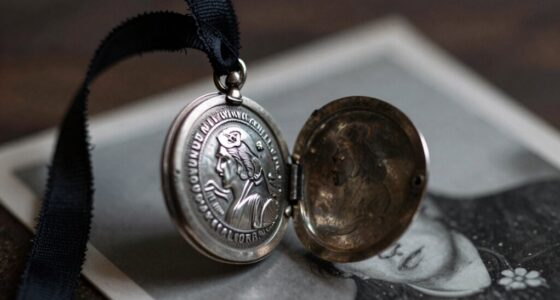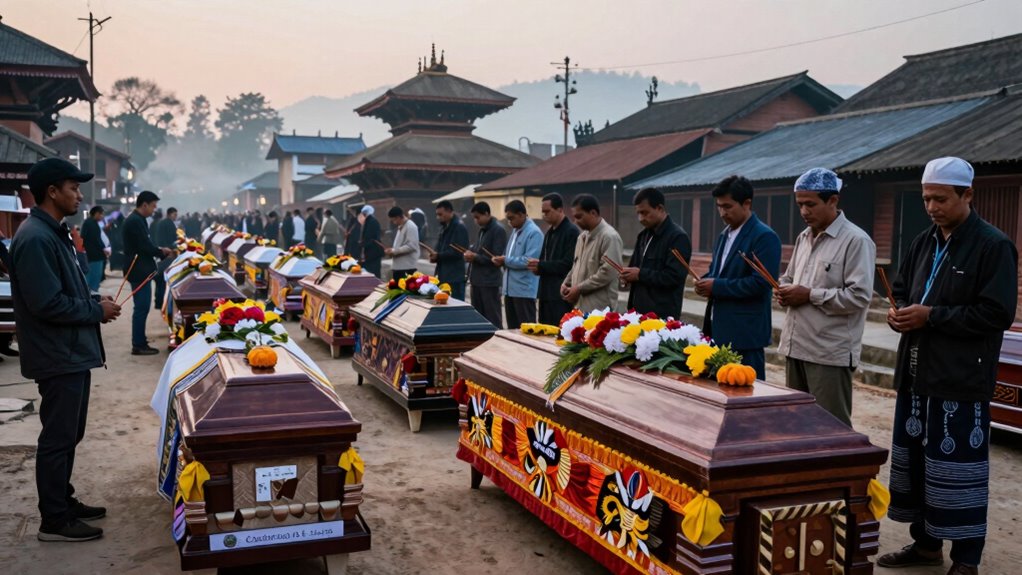

Wake traditions worldwide serve as essential ways for you to honor the departed, express grief, and celebrate lives. In Western cultures, you might view the body and share stories, while Asian customs involve elaborate rituals like incense and chanting to guide spirits. African and Latin American wakes blend mourning with lively music and dance, emphasizing life and community. Religious practices in the Middle East focus on prayers and spiritual reflection. Explore further to discover the rich history behind these diverse customs.
Open a free Amazon Business account
Business pricing, bulk buying and tax-exempt orders.
As an affiliate, we earn on qualifying purchases.
Key Takeaways
- Wakes originated as communal gatherings to honor the deceased and ensure their spirit’s safe transition across cultures.
- Cultural variations reflect local beliefs, such as elaborate rituals in Asia and lively celebrations in African and Latin American traditions.
- Religious influences shape wake practices, emphasizing prayers, spiritual guidance, and respect for spiritual beliefs.
- Historically, wakes served as social events fostering community support and collective mourning.
- Over time, wake customs evolved to balance mourning, remembrance, and cultural identity expression worldwide.
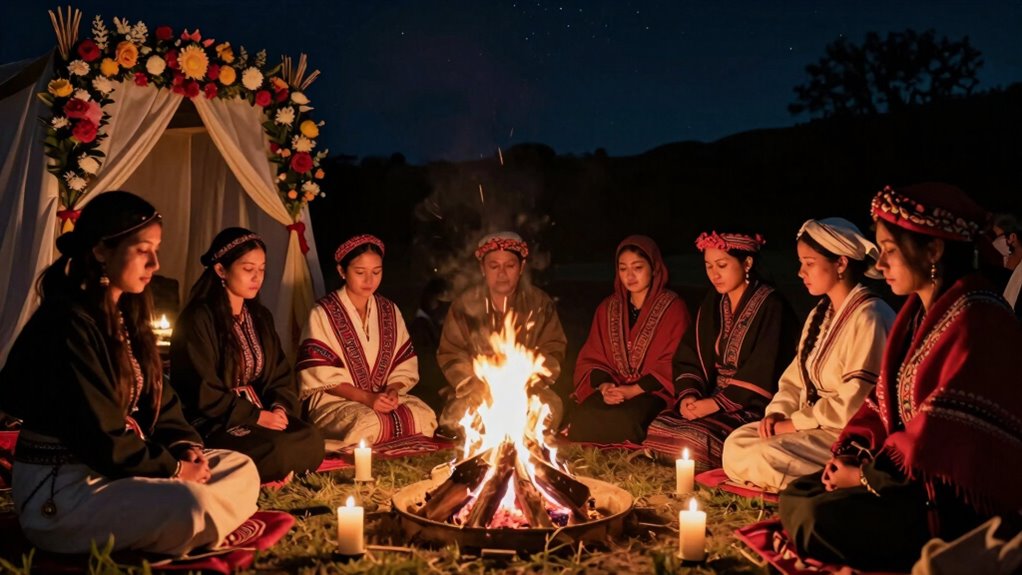
Wakes are a universal way to honor and remember the deceased, but the traditions surrounding them vary widely across cultures. When you participate in a wake, you’re engaging in funeral customs that reflect deep-rooted beliefs about death, the afterlife, and the importance of community. These customs often serve as a way for the living to express grief, seek closure, and celebrate the life of the departed. In many cultures, wakes are not just about mourning but also about reinforcing cultural identity and shared values through collective participation.
Across the globe, you’ll find that cultural mourning practices at wakes can differ dramatically. In Western societies, wakes often involve viewing the body in a casket, offering prayers, and sharing stories about the deceased. These rituals are usually held in homes or funeral homes, emphasizing respect and solemnity. In contrast, in some Asian cultures, such as in China or Japan, wakes can be elaborate events that last several days. They include offerings of food, incense burning, and chanting, all meant to guide the spirit of the departed to the afterlife. These funeral customs aim to maintain harmony between the living and the dead and to honor ancestors’ memory.
In many African traditions, wakes serve as communal ceremonies that involve music, dance, and storytelling. These lively events celebrate the person’s life and the legacy they leave behind, fostering unity and shared cultural mourning. Similarly, in Latin American cultures, wakes often feature vibrant processions, colorful decorations, and lively music, blending mourning with celebration of life. These customs reflect a belief that death is a transition rather than an end, encouraging mourners to find comfort in community and cultural continuity. Additionally, the interplay of spiritual and cultural practices enriches these ceremonies, highlighting their importance beyond mere rituals.
In some Middle Eastern societies, wakes are intimate gatherings where family and close friends gather to pray and read from religious texts. These customs emphasize spiritual reflection and the hope of divine mercy. The rituals surrounding wakes are often rooted in religious doctrine, shaping how people express grief, respect, and hope for the afterlife.
No matter where you are in the world, wakes serve as essential rituals that reinforce cultural mourning and community bonds. They provide a space for shared grief, remembrance, and cultural expression. Understanding these diverse funeral customs helps you appreciate how different societies cope with loss and honor their loved ones, weaving together tradition, spirituality, and communal support in a profound and meaningful way.

HEM White Sage Incense Sticks – 100 Count | Natural Air Purifying Aromatherapy | Calming and Cleansing Fragrance | Perfect for Meditation and Relaxation | Long-Lasting Burn
- Long-lasting burn time: Approximately 30 minutes per stick
- Natural and handmade: Creates inspiring, joyful atmosphere
- Natural ingredients: Safe for daily use, clean fragrance
As an affiliate, we earn on qualifying purchases.
As an affiliate, we earn on qualifying purchases.
Frequently Asked Questions
How Do Wake Traditions Vary Between Different Cultural Regions?
You’ll notice that wake traditions vary greatly across cultures. In some regions, you wear specific funeral attire to honor the deceased, while others incorporate vibrant colors or particular garments. Memorial symbols like candles, flowers, or religious icons also differ, representing spiritual beliefs or cultural values. These customs reflect diverse ways communities mourn, celebrate, or remember loved ones, creating unique, meaningful rituals tailored to each cultural identity.
What Are the Origins of Traditional Wake Ceremonies?
You might wonder about the origins of traditional wake ceremonies, which often include funeral attire and mourning jewelry. These customs stem from ancient rituals meant to honor the dead, provide comfort, and foster community. They evolved through cultural beliefs about spirits and the afterlife, shaping practices like lighting candles, wearing specific attire, and displaying mourning jewelry. These traditions serve as timeless ways to remember loved ones and show respect.
How Have Modern Influences Changed Wake Practices Globally?
Modern influences have considerably changed wake practices worldwide. You might notice more casual funeral attire replacing traditional garments, reflecting contemporary attitudes. Mourning jewelry, once solely symbolic, now often incorporates personalized elements like photos or meaningful charms. Social media also plays a role, allowing virtual memorials and live streamings, which expand participation. These shifts make wakes more accessible and personalized, blending age-old customs with current trends to honor loved ones uniquely.
Are There Any Common Symbolic Elements in Wake Rituals Worldwide?
You’ll find that across cultures, symbolic elements like funeral clothing and mourning jewelry are universal, as if the world agrees on them’s importance. These items act as powerful symbols of respect, remembrance, and connection to the departed. Whether it’s black attire, white garments, or jewelry passed down through generations, these symbols create a shared language of mourning that bridges continents and centuries, illustrating our collective need to honor those we’ve lost.
How Do Wake Customs Reflect Societal Attitudes Toward Death?
You see that wake customs reveal much about societal attitudes toward death. For instance, traditional funeral attire often shows respect and mourning, reflecting a community’s reverence. Mourning jewelry signifies remembrance and connection to loved ones. These customs, whether somber or celebratory, demonstrate how cultures process grief, honor the deceased, and express collective attitudes toward mortality. They serve as meaningful symbols of respect and remembrance within different societies.
Conclusion
As you reflect on these wake traditions, you see them as threads weaving a global tapestry of remembrance. Each ritual, like a lighthouse guiding loved ones through darkness, symbolizes respect, connection, and the enduring human spirit. No matter where you are, these customs remind you that mourning is a shared voyage—an eternal flame passed from heart to heart, illuminating the path of memory and love through life’s ebb and flow.
Flea & tick season Picks
flea and tick prevention
As an affiliate, we earn on qualifying purchases.