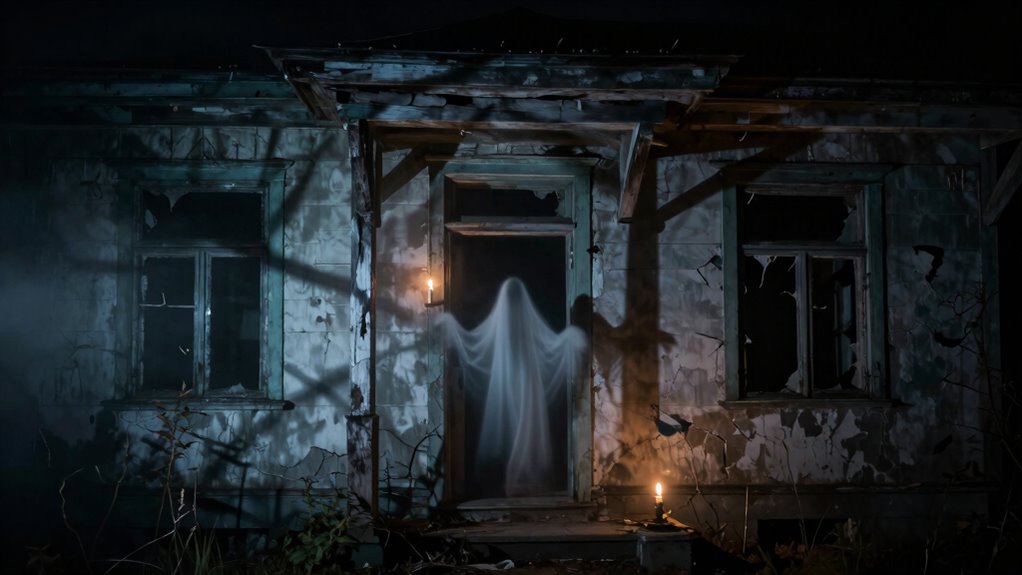
Yes, group hysteria can definitely fuel a haunted reputation. When you and others share fears or odd experiences, those feelings quickly spread, reinforcing beliefs in paranormal activity. Social contagion causes ordinary sounds or sights to be seen as ghostly, and stories get amplified through media and local legends. Over time, these collective beliefs create a self-fulfilling cycle, making a location seem haunted even without real evidence. Keep exploring to see how this social dynamic shapes haunted sites.
Listen free for 30 days with Audible
Thousands of audiobooks and originals — cancel anytime.
As an affiliate, we earn on qualifying purchases.
Key Takeaways
- Group hysteria can create a feedback loop that reinforces beliefs in supernatural activity.
- Collective fears and expectations lead individuals to interpret ordinary stimuli as paranormal.
- Social contagion spreads ghost stories, amplifying the haunted reputation over time.
- Media and cultural legends heighten collective beliefs, fueling further hysteria around a site.
- The reputation often results more from social dynamics than actual paranormal phenomena.
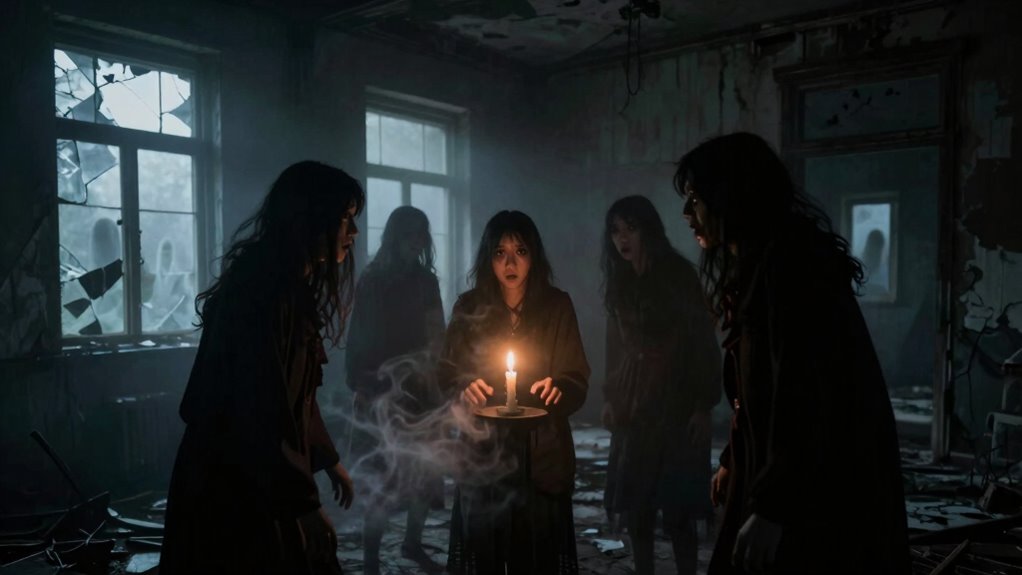
When a group of people begins to believe in supernatural phenomena, their collective hysteria can substantially influence the reputation of a haunted location. This phenomenon often starts with a few individuals experiencing odd events or feeling uneasy, but it quickly snowballs as others join in, driven by a shared fear or curiosity. As this group’s belief intensifies, mass panic can spread rapidly, creating a self-reinforcing cycle where everyone becomes more convinced that something supernatural is at play. The power of social contagion plays a key role here; ideas, fears, and behaviors transfer from person to person, fueling the perception that the location is haunted. The more people talk about ghost sightings or unexplained noises, the more their beliefs become ingrained, regardless of whether any actual paranormal activity exists.
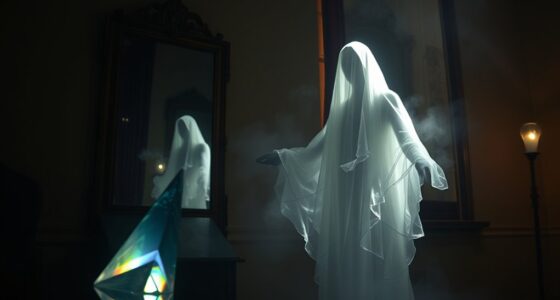
Collective hysteria and social contagion shape haunted reputations, turning ordinary places into legends of ghostly encounters.
This social contagion often leads to heightened sensitivity to ordinary sounds or sights, which are then misinterpreted as evidence of hauntings. For example, a creaking floorboard might be seen as ghostly footsteps, or a shadow in the corner could be mistaken for a spirit. Because everyone is convinced the place is haunted, their minds start to fill in gaps with supernatural explanations, creating a feedback loop that sustains the haunted reputation. The collective hysteria can even influence individual perceptions, causing some to genuinely believe they’ve seen or heard something paranormal, when in fact, their experience is shaped by the group’s shared beliefs and expectations. Additionally, mass hysteria can cause individuals to overlook rational explanations, further fueling the haunted reputation. In such cases, social influence can significantly sway individual perceptions, reinforcing the collective belief. The role of psychological biases in shaping perceptions is also crucial, as confirmation bias can make people more receptive to evidence supporting their beliefs while dismissing contradictory information.
As the hysteria grows, the haunted reputation becomes almost a self-fulfilling prophecy. People visit the location expecting to encounter ghosts, and their expectations influence what they perceive. This bias can lead to more reports of paranormal activity, even if no such activity exists. The media and local legends often amplify these stories, making it seem as if the location is truly haunted, which only fuels further social contagion. Over time, the reputation becomes deeply rooted in collective memory, regardless of any real supernatural presence. Additionally, the mass panic can distort perceptions and reinforce false narratives about the haunted site. Recognizing how confirmation bias plays a role in these situations can help explain why people interpret ambiguous stimuli as supernatural phenomena.
In essence, when you consider how group hysteria operates, it’s clear that a haunted location’s reputation is often less about actual paranormal activity and more about how social dynamics, mass panic, and social contagion shape perceptions. Your belief, or the beliefs of a community, can turn an ordinary place into a legendary site of ghostly encounters, driven by the power of shared fear and collective imagination.
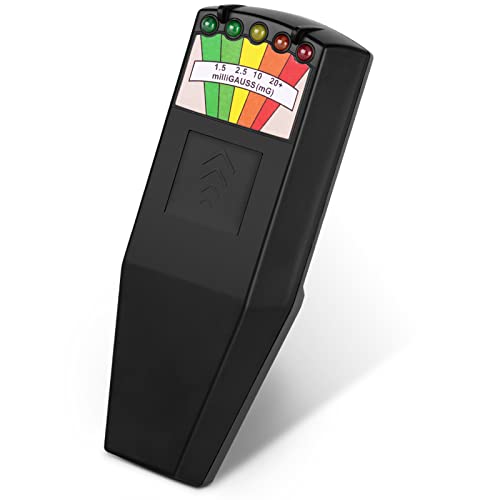
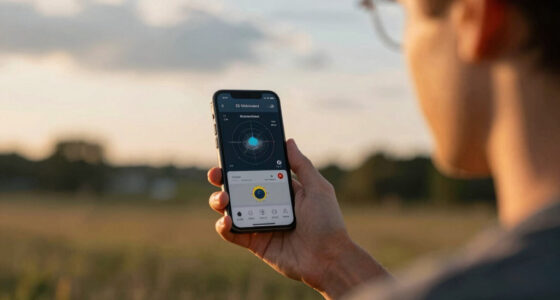
color tree Handheld LED EMF Magnetic Field Ghost Hunting Detector Electromagnetic Paranormal Equipment Tester 50Hz-20,000Hz Black
- EMF Measurement Range: 50Hz-20,000Hz for ghost hunting
- Location Association: Links to reported paranormal sites
- Battery Operated: Uses a single battery for operation
As an affiliate, we earn on qualifying purchases.
As an affiliate, we earn on qualifying purchases.
Frequently Asked Questions
How Common Is Group Hysteria in Haunted Locations?
Group hysteria in haunted locations is relatively common, often sparked by historical origins and cultural influences. You might notice collective symptoms arise when people believe a site is haunted, leading to shared fears and behaviors. These psychological phenomena get amplified by storytelling, media, and cultural beliefs, creating an environment where hysteria spreads quickly. Recognizing these influences helps you understand that the haunted reputation may be fueled more by collective psychology than actual paranormal activity.
Can Group Hysteria Occur Without Supernatural Causes?
Yes, group hysteria can occur without supernatural causes, driven by mass suggestion and collective anxiety. When people share fears or expectations, they influence each other, amplifying sensations of paranormal activity. This shared psychological state can create real perceptions of haunting, even when no supernatural event occurs. You might experience eerie feelings or see things that aren’t there, all fueled by the power of group dynamics and collective emotion.
What Psychological Factors Contribute to Mass Panic?
Psychological factors like mass suggestion and collective fear profoundly contribute to mass panic. When you’re part of a group, your perception can be influenced by others’ emotions and behaviors, amplifying fear. Shared anxiety spreads quickly through social cues, leading to a cycle of escalating panic. This collective fear causes people to act irrationally, reinforcing the hysteria. Recognizing these factors helps you understand how group dynamics can fuel widespread unease and excitement.
Are There Famous Cases of Group Hysteria Linked to Hauntings?
Yes, famous cases like the Dyatlov Pass incident and the Enfield poltergeist showcase how mass suggestion and collective anxiety can amplify hauntings. When fear spreads among groups, it creates a self-perpetuating cycle, turning whispers into screams. You see, collective hysteria acts like a mirror, reflecting and magnifying fears, transforming ordinary events into legendary ghost stories. It’s as if the mind collectively scripts a haunted narrative, fueling the reputation’s eerie glow.
How Can Authorities Distinguish Between Hysteria and Real Hauntings?
Authorities distinguish between hysteria and real hauntings by analyzing psychological manipulation and social contagion influences. They look for consistent, verifiable evidence, such as physical phenomena or unusual readings, rather than relying solely on reports that can spread through social contagion. Experts also assess the environment for psychological triggers that might cause group hysteria, helping them determine if the phenomena are rooted in genuine supernatural activity or collective psychological responses.
Conclusion
So, next time you hear about a haunted house or strange sightings, remember that group hysteria can play a big role in fueling those fears. Surprisingly, a study found that 80% of reported paranormal experiences happen in groups rather than alone, suggesting our minds can be easily influenced by collective belief. It’s fascinating how our perceptions can shape reality, making haunted reputations grow even more convincing through shared stories and collective excitement.
College move-in / dorm season Picks
dorm essentials
As an affiliate, we earn on qualifying purchases.