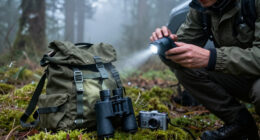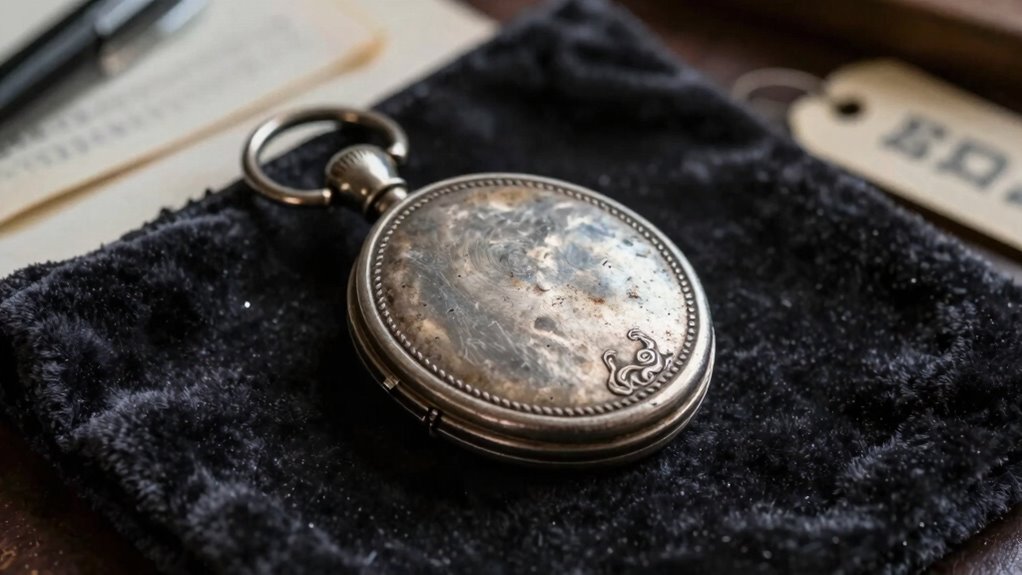

When investigators talk about a trigger object, they refer to specific items linked to a case that can help you recall important details or organize evidence. These objects, like clothing, scents, or small markers, act as memory prompts for witnesses or investigators, revealing hidden clues and connecting puzzle pieces. They’re crucial for uncovering overlooked details and strengthening case evidence. Keep exploring, and you’ll find out how these objects become essential in solving cases.
Key Takeaways
- A trigger object is a specific item that prompts a memory or recollection during an investigation.
- It serves as a tool to help witnesses or suspects recall details they may have forgotten.
- Trigger objects are used as evidence markers to identify and catalog significant items at crime scenes.
- They help connect clues, organize evidence, and preserve the context of physical items.
- Trigger objects can be crucial in unlocking hidden evidence and resolving cases.
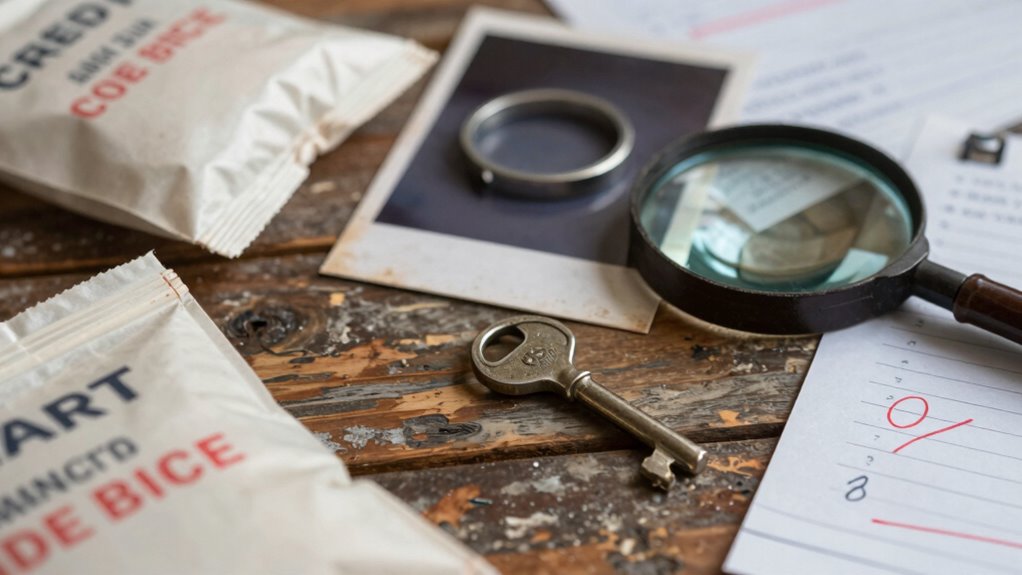
When investigating complex cases, understanding the role of trigger objects can be essential to uncovering hidden clues. These objects aren’t just random items; they serve as critical tools that can jog memories or lead you to new evidence. As an investigator, you recognize that certain objects can act as memory triggers, sparking recollections that witnesses or suspects might have long suppressed. For example, a seemingly insignificant piece of clothing or a familiar scent linked to a crime scene can bring forth details that were previously unclear or forgotten. These memory triggers become fundamental in piecing together the sequence of events, especially when witnesses struggle to recall specific details under pressure.
Trigger objects can spark memories and uncover hidden clues in complex investigations.
In addition to memory triggers, trigger objects often serve as evidence markers during the investigation. Evidence markers are small placards or tags placed near items at a crime scene to identify and catalog them systematically. They help you keep track of essential objects, ensuring that nothing gets overlooked during collection and analysis. When you see an item designated as an evidence marker, it signals that this object holds potential significance—whether it’s a weapon, a piece of clothing, or a piece of jewelry. These markers allow you to maintain a clear record, which is indispensable when reconstructing the scene or presenting findings in court. Recognizing how evidence organization can improve the accuracy of your investigation is crucial in maintaining procedural integrity.
You understand that trigger objects are more than mere placeholders; they are deliberate tools used to connect pieces of the puzzle. A memory trigger might be as simple as a specific type of cigarette or a particular brand of coffee, prompting witnesses to recall details they initially dismissed. Meanwhile, evidence markers help you organize physical evidence in a way that preserves its integrity and relevance. Recognizing that biodiversity at a scene can sometimes provide additional context, such as plant or animal traces, can enhance the thoroughness of your investigation. Paying attention to environmental clues can sometimes reveal overlooked details that are critical to understanding the full scope of the case. Incorporating contextual clues from the environment can sometimes reveal overlooked details that are critical to understanding the full scope of the case. Additionally, understanding investigative techniques can strengthen your ability to identify and utilize trigger objects effectively. Combining these approaches, you can enhance your investigative process, making it more efficient and accurate.
Ultimately, trigger objects act as keys—unlocking memories and revealing evidence that might otherwise stay hidden. As an investigator, you leverage these objects to deepen your understanding of the case, ensuring that each clue is given the attention it deserves. Whether it’s encouraging witnesses to remember through familiar objects or meticulously marking evidence for analysis, recognizing the significance of trigger objects can be the difference between an unresolved mystery and a successful resolution. In your line of work, every detail counts, and these objects help you connect the dots with more certainty and confidence.
As an affiliate, we earn on qualifying purchases.
Frequently Asked Questions
How Do Investigators Identify Trigger Objects in a Crime Scene?
You identify trigger objects by carefully examining the crime scene during scene analysis. Look for items that seem out of place or directly related to the incident, as they can be essential evidence. During evidence collection, focus on these objects, noting their position and condition. Trigger objects often hold important clues about the motive or sequence of events, so thorough investigation helps connect them to the broader case.
Can Trigger Objects Be Something Other Than Physical Items?
Trigger objects aren’t always physical; they can be digital clues or psychological triggers that spark memories or emotions. You might find a digital photo that unlocks a suspect’s motives or a familiar scent that stirs hidden feelings. These intangible cues act like keys in a lock, opening doors to understanding the case. Investigators see beyond the physical, recognizing that triggers can live in the mind or within digital footprints.
Are Trigger Objects Always Directly Related to the Crime?
Trigger objects aren’t always directly related to the crime; investigators sometimes use false evidence or misleading clues to test a suspect’s reactions. These objects can be things that seem suspicious but aren’t connected, helping to see if someone responds suspiciously. While some trigger objects are genuinely linked, others are deliberately planted to observe behavior, making it essential not to jump to conclusions based solely on their presence.
How Do Trigger Objects Influence Investigative Strategies?
Imagine a whisper in the shadows—trigger objects serve as subtle clues, guiding your investigation. They influence your strategies by highlighting psychological cues and environmental factors that connect suspects to the crime. You focus on these objects to uncover hidden motives or overlooked details, shaping your approach. By analyzing trigger objects, you sharpen your investigative edge, turning small clues into a powerful narrative that leads you closer to the truth.
What Are Common Misconceptions About Trigger Objects?
You might think trigger objects are always essential clues, but false assumptions can lead you astray. Many believe that every object linked to a scene is a trigger, yet they’re often misinterpreted evidence or coincidence. This misconception can cause you to focus on irrelevant details. Recognizing that not all objects are significant helps prevent misdirected investigations, ensuring you stay focused on genuine leads instead of false assumptions.
Conclusion
So, next time you come across a seemingly insignificant object at a crime scene, remember—it might just be a trigger object. Sometimes, it’s the smallest detail that sparks a breakthrough, almost like fate nudging investigators in the right direction. Coincidences happen more often than you think, and what seems trivial could be the key to unraveling a complex mystery. Keep your eyes open; in investigations, even the tiniest clue can change everything.