
To protect your privacy when sharing stories, be mindful of details like names, locations, and unique traits that could identify you or others. Seek clear consent from anyone involved, and consider anonymizing sensitive information. Choose platforms with strong privacy settings, and review what you share to prevent unintentional exposure. Being deliberate about what you disclose helps keep everyone safe and maintains trust. Continue exploring to learn effective strategies for safeguarding your privacy further.
Key Takeaways
- Anonymize personal details like names, locations, and unique identifiers before sharing stories.
- Obtain explicit consent from all involved parties prior to sharing their experiences.
- Review stories carefully to remove or alter any information that could compromise privacy.
- Be aware of platform privacy policies and select sharing channels with robust privacy protections.
- Communicate transparently about the purpose of sharing and respect others’ privacy wishes.

Sharing stories can be a powerful way to connect with others, but it also raises important privacy concerns. When you share personal experiences, you might unintentionally expose details that could compromise your anonymity or that of others involved. Anonymity concerns are especially relevant if you want to maintain privacy while still sharing your story. If identifying details slip out—like names, locations, or unique circumstances—you risk revealing more than intended. This can lead to unwanted attention or even harm, particularly if your story touches on sensitive topics. To protect yourself, you need to be vigilant about what details you disclose and consider how they might be traced back to you or others.
Sharing personal stories risks exposing details that could compromise your or others’ privacy.
Consent challenges also come into play when sharing stories. It’s crucial to ensure that everyone involved agrees to have their experiences shared publicly. Sometimes, people assume it’s okay because they’re the ones sharing their story, but they forget that others might be affected or identified through the details. This can create ethical dilemmas and even legal issues if someone’s privacy is violated without their consent. You should always seek explicit permission from anyone mentioned or involved before sharing their story. If you’re sharing on behalf of someone else, make sure they understand how their information will be used and are comfortable with it. Respecting consent isn’t just about legality; it’s about maintaining trust and integrity in your storytelling.
Managing these concerns requires thoughtful planning. Before sharing, review your story carefully and ask yourself if any details could compromise anonymity or if someone might feel uncomfortable or exposed. Consider anonymizing sensitive information—altering names, locations, or other identifying factors—so your story remains impactful without risking privacy breaches. Additionally, be transparent about your intentions and how you plan to use the story. If someone raises concerns, be willing to listen and adjust your narrative accordingly.
Being aware of privacy risks and actively protecting your personal information is essential in today’s interconnected world. In the digital age, privacy risks are amplified because stories can reach a broad audience quickly. You should be aware of the platforms you choose to share on and familiarize yourself with their privacy policies. Remember that once something is online, it’s difficult to control its spread. Protecting your privacy means being deliberate about what you share, respecting the privacy of others, and navigating consent challenges carefully. By doing so, you can foster genuine connections through your stories without compromising your or others’ safety and trust.
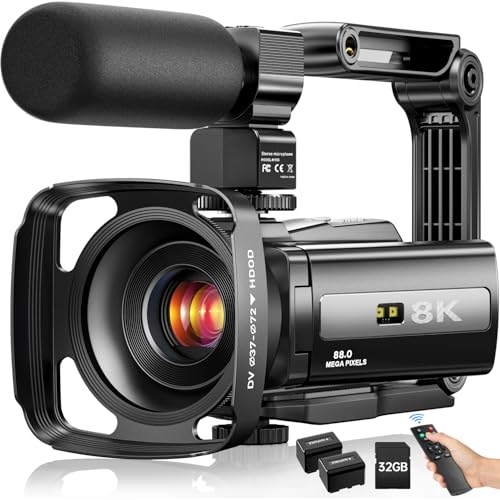
8K Video Camera 88MP UHD WiFi Vlogging Cameras for YouTube 18X Digital Zoom IR Night Vision 3.0'' Touch Screen Camcorder with 32GB Card, Microphone, Lens Hood, Stabilizer, Remote, Two Batteries
【2026 Latest 8K ULTRA HD & 88MP Video Camera】This video camera records videos up to 8k resolution at...
As an affiliate, we earn on qualifying purchases.
Frequently Asked Questions
How Can I Recover a Story I Accidentally Shared Publicly?
You can attempt story recovery by checking your platform’s archive or deleted items, as some apps save your stories temporarily. Quickly adjust your privacy settings to limit who can see future stories. If you want to remove the story entirely, change its visibility or delete it if possible. Remember, acting fast helps protect your privacy and minimizes unwanted exposure. Always review your privacy settings before sharing again to prevent similar issues.
What Legal Rights Do I Have Over Shared Stories Involving Me?
If someone shares a story involving you without your permission, your privacy rights and story ownership come into play. For example, if a blogger posts a personal story about your experience, you can request removal or legal action if needed. You have rights over stories involving you, especially regarding privacy and consent. Always remember, you can assert control over how your story is shared and seek legal remedies if those rights are violated.
How Do I Handle Privacy Concerns With Collaborative Storytelling Platforms?
To handle privacy concerns with collaborative storytelling platforms, you should actively manage your privacy settings and practice consent management. Regularly review and adjust your privacy settings to control who can view or edit your contributions. Always seek explicit consent before sharing personal or sensitive information within shared stories. Staying proactive helps protect your privacy, ensuring your involvement remains comfortable and secure while participating in collaborative storytelling.
Can Shared Stories Be Used Without My Consent for Commercial Purposes?
Bite the bullet: shared stories shouldn’t be used without your consent for commercial purposes. Consent issues can arise if platforms or others misuse your content, leading to commercial misuse. Always read the terms of service and privacy policies carefully, and don’t hesitate to ask for clarification. If you’re uncomfortable, you have the right to restrict or withdraw your content, protecting your privacy and preventing unauthorized commercial use.
What Are the Best Tools to Monitor Unauthorized Sharing of My Stories?
To monitor unauthorized sharing of your stories, use tools with strong privacy settings and digital watermarking features. Privacy settings help you control who can view or share your content, while digital watermarking embeds unique identifiers to trace leaks. Apps like Digimarc or Pixsy can alert you when your stories are shared without permission. Regularly check social platforms and set up alerts to stay informed and protect your stories effectively.

5K Video Camera Camcorder, UHD 64MP Vlogging Camera for YouTube with 3" 270° Rotatable Touch Screen, Digital Camera with IR Night Vision, 16X Zoom/WiFi/Webcam/HD/32GB Card/2 Batteries/Microphone
【5K Cinematic Clarity & Versatility】 This digital video camera captures stunning 5K/20fps videos (also 4K/60fps) and 64MP photos...
As an affiliate, we earn on qualifying purchases.
Conclusion
By sharing stories, you open your heart like a window to the world. But remember, your privacy is a delicate garden—nurture it carefully. Use privacy tools and set boundaries to keep unwanted eyes out. Think of your personal details as treasures you guard closely. When you protect your privacy, you’re not just sharing your story; you’re safeguarding your peace and freedom. Keep your narrative yours alone, a shining beacon in the vast ocean of shared tales.
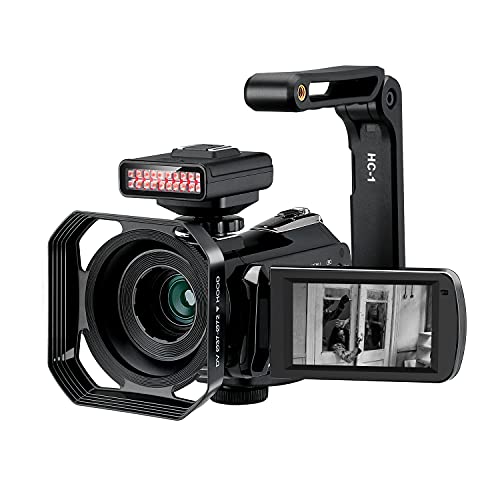
4K Camcorder ORDRO Night Vision Video Camera Vlog Ghost Hunting Camera Camcorder for YouTube 3.1’’ IPS Touch Screen Camcorder with IR Light Handheld Holder 64G Memory Card and 2 Batteries
As an affiliate, we earn on qualifying purchases.
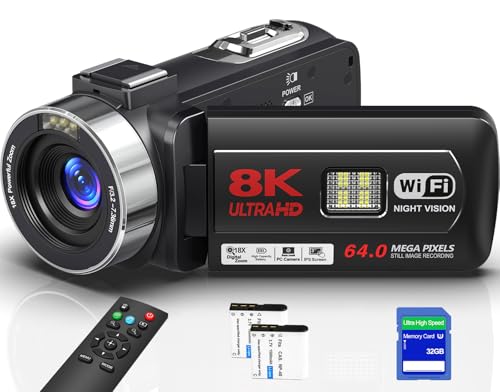
Yollner 8K Video Camera 64MP Camcorder IR Night Vision Vlogging Camera, 18X Zoom WiFi Digital Touch Screen Camcorder for YouTube with 32GB SD Card, Remote Control, and Two Batteries
8K & 64MP Video Camera: This 8K camcorder records videos in 2.7K, 4K, 6K,8K HD resolution and captures...
As an affiliate, we earn on qualifying purchases.