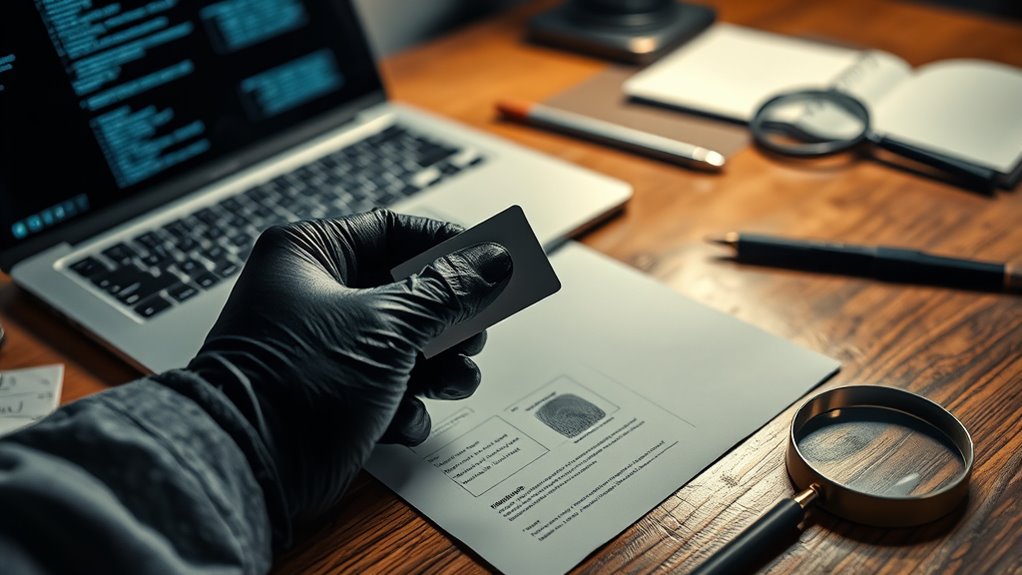

To uphold ethics in investigation and writing, you must prioritize honesty, fairness, and transparency. Respect confidentiality to build trust with sources and protect their privacy. Always verify facts by cross-referencing multiple sources before publishing. Maintain transparency about how you handle sensitive information, and evaluate your sources carefully to avoid bias. By following these principles, you’ll guarantee your work remains credible and trustworthy — and there’s more to explore if you keep going.
Key Takeaways
- Prioritize accuracy through thorough fact-checking and cross-referencing multiple sources.
- Respect confidentiality by protecting source identities and clearly communicating confidentiality boundaries.
- Maintain transparency and honesty with sources and in reporting to build trust and credibility.
- Assess sources for bias and motives, seeking diverse perspectives for balanced coverage.
- Uphold integrity by adhering to ethical standards that serve the public interest and preserve journalistic credibility.

Have you ever wondered what separates responsible investigation and truthful writing from unethical practices? The answer lies in your commitment to ethical standards that prioritize integrity, transparency, and fairness. When gathering information, you might rely on confidential sources—those who provide insights that can’t be publicly shared. Respect for these sources is essential; you must protect their identities unless they give explicit permission to reveal their names. This confidentiality builds trust and encourages more honest communication, but it also demands that you handle their information responsibly. You should never compromise their safety or privacy for the sake of a story.
Respect confidential sources to build trust and ensure responsible handling of sensitive information.
Equally important is fact verification. Ensuring your information is accurate isn’t just good journalism—it’s a moral obligation. Before publishing, you need to double-check every detail, cross-reference multiple sources, and scrutinize the evidence. Relying solely on a single source or unverified claims can lead to misinformation, damaging reputations and eroding public trust. This process of fact verification is what separates credible journalism from sensationalism or propaganda. It requires diligence and a commitment to the truth, even when it’s inconvenient or difficult. Establishing a routine for **fact verification** helps maintain high standards and reduces errors.
When you interview confidential sources, always clarify the boundaries and ensure they understand how their information will be used. If they request anonymity, respect that request but also document the reasons for their confidentiality. This transparency helps maintain your credibility and upholds ethical standards. Remember, your role is to serve the public interest, not to protect your sources at the expense of truth. Balancing confidentiality with verification is a delicate but essential part of responsible investigation.
Furthermore, your commitment to fact verification influences how you evaluate your sources. You should assess their motives, corroborate their statements with other evidence, and be aware of potential biases. This diligence guarantees that your work remains honest and fair. Whenever possible, seek multiple perspectives to paint a complete picture, avoiding one-sided narratives. These practices uphold the integrity of your investigation and reinforce your reputation as a trustworthy writer.
In essence, respecting confidential sources and rigorously verifying facts are the pillars of ethical investigation and writing. They demand discipline and moral responsibility but ultimately safeguard the integrity of your work and the trust of your audience. When you prioritize these principles, you do more than just report the news—you uphold the standards that make journalism a essential and credible institution.
Top picks for "ethic investigation writ"
Open Amazon search results for this keyword.
As an affiliate, we earn on qualifying purchases.
Frequently Asked Questions
How Do Investigators Verify the Accuracy of Anonymous Sources?
You verify the accuracy of anonymous sources by cross-checking their information with multiple independent sources, ensuring consistency and reliability. You also assess the credibility of the source’s background and motives. To protect their identity, you implement anonymity safeguards, like secure communication channels and confidentiality agreements. This careful source verification helps maintain integrity, while safeguarding the source’s anonymity, ensuring the information is accurate without compromising trust or ethical standards.
What Are the Legal Consequences of Ethical Breaches in Journalism?
Ever wondered what happens if you commit ethical violations in journalism? You could face serious legal repercussions like lawsuits, fines, or loss of your license. Ethical breaches undermine trust and can lead to criminal charges if laws are broken. Don’t underestimate the risks; maintaining integrity safeguards your career and credibility. Are you prepared to handle the legal consequences of ethical lapses? Staying ethical isn’t just right, it’s essential for your legal safety.
How Do Writers Handle Conflicts of Interest Ethically?
You handle conflicts of interest ethically by practicing transparency policies and prioritizing conflict resolution. You disclose any personal or financial ties that could influence your work upfront, ensuring your audience trusts your integrity. By openly addressing potential conflicts, you demonstrate accountability and maintain credibility. Staying vigilant and proactive helps you prevent bias, fostering honest, fair journalism that upholds ethical standards and respects your audience’s right to accurate information.
What Measures Ensure the Confidentiality of Sensitive Sources?
Ever wondered how you can protect sensitive sources? You should implement strict confidentiality protocols to safeguard their identities and guarantee source protection. Use secure communication channels, anonymize data, and limit access to sensitive information. Do you prioritize these measures? By doing so, you build trust, uphold ethical standards, and ensure your sources feel safe sharing important insights without fear of exposure or retaliation.
How Is Bias Minimized in Investigative Reporting?
You minimize bias in investigative reporting by critically evaluating source credibility and cross-checking facts through rigorous fact-checking processes. You should verify information with multiple independent sources, avoid relying on a single perspective, and remain aware of your own biases. By prioritizing accuracy and transparency, you ensure your reporting remains objective, balanced, and trustworthy, ultimately maintaining the integrity of your work and the public’s confidence.
Conclusion
By upholding ethics in your investigation and writing, you build trust, maintain integrity, and foster credibility. You respect truth, honor transparency, and embrace responsibility. You guarantee accuracy, promote fairness, and demonstrate accountability. In doing so, you not only protect your reputation but also serve the pursuit of knowledge. Ultimately, ethics guide your actions, shape your character, and define your legacy—because how you investigate and write reflects who you are and what you stand for.