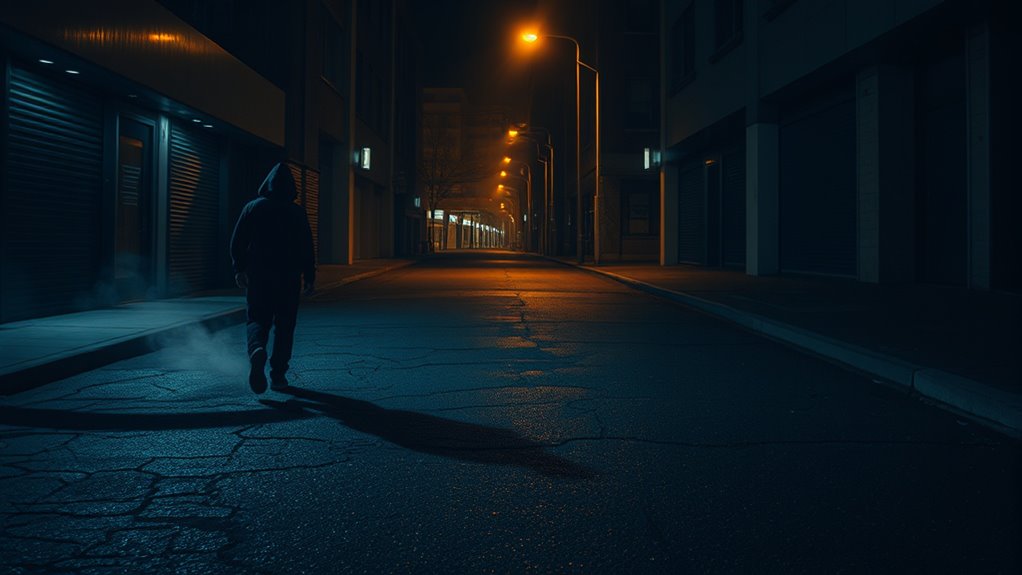

You’ve probably heard about 3 AM as a mysterious time because of its cultural, biological, and psychological significance. Many believe it’s when the line between the physical and supernatural worlds is thinnest, fueling fear or curiosity. Biologically, your body naturally cycles into lighter sleep stages around then, making you more sensitive to noises or sensations. Cultural stories also reinforce the idea, shaping how you perceive what happens at this hour. If you keep exploring, you’ll discover more behind this intriguing time.
Key Takeaways
- 3 AM is linked to supernatural beliefs, seen as the “veil” between worlds is thinnest.
- Natural circadian dips cause lighter sleep, increasing sensitivity to stimuli at this hour.
- Lighter sleep makes the brain more alert, amplifying perceptions of paranormal activity.
- Cultural stories reinforce 3 AM as a time of heightened spiritual or supernatural presence.
- The combination of biological, psychological, and cultural factors explains why 3 AM is significant.
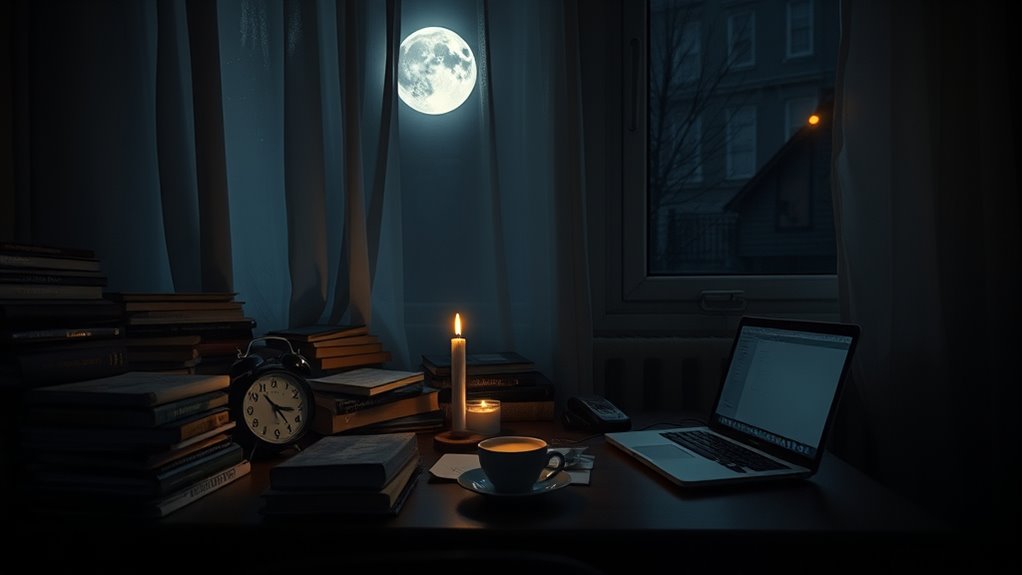
Many people find themselves curious or uneasy when they hear about 3 AM, but there’s more to it than just a spooky hour. This moment in the early morning has long been associated with mystery and superstition, often viewed as a time when the veil between the living and the supernatural is thinnest. However, beyond the folklore, there are real reasons why 3 AM holds such significance, especially related to sleep patterns and cultural beliefs. You might notice that during the night, your sleep cycle naturally dips into lighter stages around this time, making you more aware of your surroundings or more prone to vivid dreams. This fluctuation isn’t random; it’s tied to your circadian rhythm, which regulates your sleep-wake cycle. At 3 AM, your body tends to be in a lighter sleep phase, which can make you more sensitive to internal and external stimuli. Additionally, the connection between sleep patterns and superstition beliefs isn’t coincidental. Your brain is more alert during lighter sleep stages, making it easier for your mind to interpret strange noises or sensations as supernatural encounters. Furthermore, cultural narratives reinforce the idea that 3 AM is a time of heightened spiritual activity, which can influence your perception even if there’s no actual paranormal presence. It’s a cycle of psychological and cultural factors blending together. So, while your body’s natural rhythms might explain some of the sensations or wakefulness at this hour, your beliefs and stories about it can amplify feelings of fear or curiosity. Understanding sleep cycles and cultural storytelling, make 3 AM a time that’s both scientifically intriguing and steeped in superstition.

Sunrise Alarm Clock White Noise Machine: Natural Wake Up Light – Dimmable Clock with Bluetooth Speaker for Bedroom – 25 Sleep Sounds for Baby Adults Kids Putty
Gentle Wake Up with Sunrise Alarm Clock: The sunrise simulation gradually brightens over a customizable 5-60 minutes before…
As an affiliate, we earn on qualifying purchases.
As an affiliate, we earn on qualifying purchases.
Frequently Asked Questions
Is 3 AM Considered the “Witching Hour” Worldwide?
Yes, 3 AM is considered the “witching hour” worldwide in supernatural folklore, believed to be a time when spiritual activity peaks. You might notice stories and legends attributing this hour to heightened supernatural presence or spiritual significance. People often think it’s when spirits are most active, making it a moment tied to mystery and the supernatural across various cultures and traditions.
How Do Cultural Beliefs Influence Perceptions of 3 AM?
You might find that cultural beliefs color how you view 3 am, seen as a mystical moment rather than just a clock time. In some traditions, superstitious rituals and religious symbolism elevate this hour’s significance, shaping perceptions of it as a gateway between worlds. These cultural nuances influence your feelings, making 3 am feel like a time when the veil between the mundane and the spiritual thins, sparking curiosity or caution.
Are There Scientific Studies Explaining Why 3 AM Feels Eerie?
Scientists suggest that 3 am feels eerie because your brain wave patterns shift during this time, making you more alert to unusual stimuli. Additionally, circadian rhythms dip around this hour, leading to decreased alertness and a sense of vulnerability. This combination heightens your perception of eeriness, especially when you’re alone or in a quiet environment. So, it’s your brain’s natural cycles and wave patterns influencing how you experience this time.
Does Sleep Quality Decline Specifically at 3 AM?
Yes, your sleep quality often declines around 3 am due to sleep disruption linked to your biological clock. At this time, your circadian rhythm causes a natural dip in alertness, making you more prone to awakenings and less restorative sleep. This fluctuation can lead to feeling unrested, as your body shiftings between sleep stages. Recognizing this pattern helps you understand why sleep at this hour can feel especially fragmented.
Why Do Personal Experiences at 3 AM Vary so Much?
Think of 3 am like a roller coaster’s peak—your personal experiences vary because your sleep cycle and nighttime anxiety differ. Some feel peace, others worry, based on stress levels or how deep into REM sleep you are. Your body’s unique rhythm influences how you perceive this hour. That’s why, at 3 am, your experience can feel calm or chaotic, depending on your mood, environment, and mental state.

MZOO Luxury Sleep Eye Mask for Side Sleeper Men Women, Zero Eye Pressure 3D Sleeping Mask, Light Blocking Patented Design Night Blindfold, Soft Eye Shade Cover for Travel, Black
Zero Eye Pressure: The Deepest 13mm arc-shaped widened eye cups provide makeup-safe space and allow natural blinking
As an affiliate, we earn on qualifying purchases.
As an affiliate, we earn on qualifying purchases.
Conclusion
So, next time you hear about 3 AM, remember it’s more than just a spooky hour. Studies show that around 60% of people experience vivid dreams or strange feelings during this time, making it feel even more mysterious. Whether it’s linked to your sleep cycle or cultural stories, 3 AM remains a fascinating moment in the night. Keep an eye on the clock—you might just notice something special happening then.
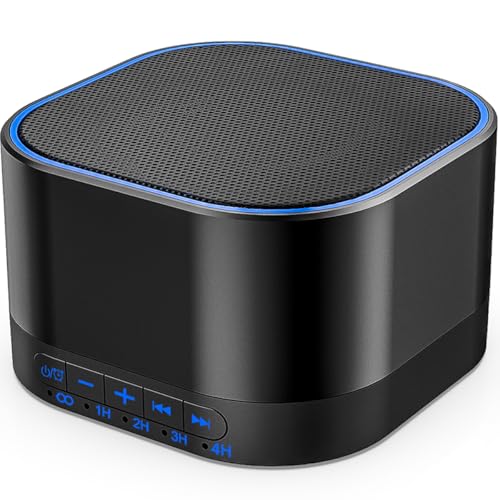
Magicteam White Noise Machine with 20 Non Looping Natural Soothing Sounds Memory Function 32 Levels of Volume Powered by AC or USB and Sleep Sound Timer Therapy for Baby Kids Adults Black
❤20 Non-Looping Sleep Sounds: White noise ,Brown noise, pink noise, blue noise, fan,brook, rain, ocean,bird and Bonfire,suitable for…
As an affiliate, we earn on qualifying purchases.
As an affiliate, we earn on qualifying purchases.

JUBTIC Dream Journal – Hardcover Dream Notebook, Guided Dream Diary to Record and Track Your Dreams, Interpretations and Thoughts before Sleeping. Ideal Gift for Women, Girls, Men(Pink)
Create A Unique Diary Of Your Dreams: JUBTIC dream journal notebook is filled with prompts and tips to…
As an affiliate, we earn on qualifying purchases.
As an affiliate, we earn on qualifying purchases.