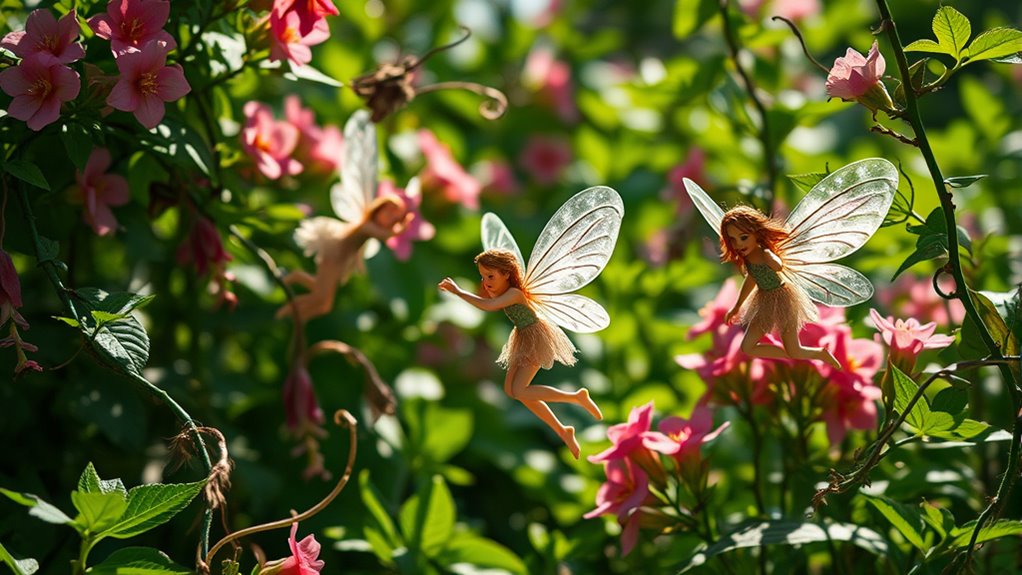

The Cottingley Fairies controversy involves a series of photographs taken in 1917, claiming to show fairies around two girls, Elsie Wright and Frances Griffiths. Created with paper cutouts and camera tricks, the images fooled many, including famous authors like Sir Arthur Conan Doyle, who supported them believing in spiritualism. Eventually exposed as a hoax, the controversy highlights how visual illusions can influence public beliefs. If you explore further, you’ll discover how this incident shaped cultural perceptions of reality and skepticism.
Key Takeaways
- The Cottingley Fairies controversy involved photographs from 1917 depicting fairies, later revealed as a hoax using paper cutouts.
- Prominent figures like Sir Arthur Conan Doyle endorsed the images, boosting their credibility and cultural impact.
- The photographs sparked debates on belief, perception, and the influence of visual media on societal beliefs.
- The hoax was created by young girls using simple materials and camera tricks, initially claiming authenticity.
- The controversy highlights the role of sources, endorsements, and context in shaping public perception of photographic evidence.
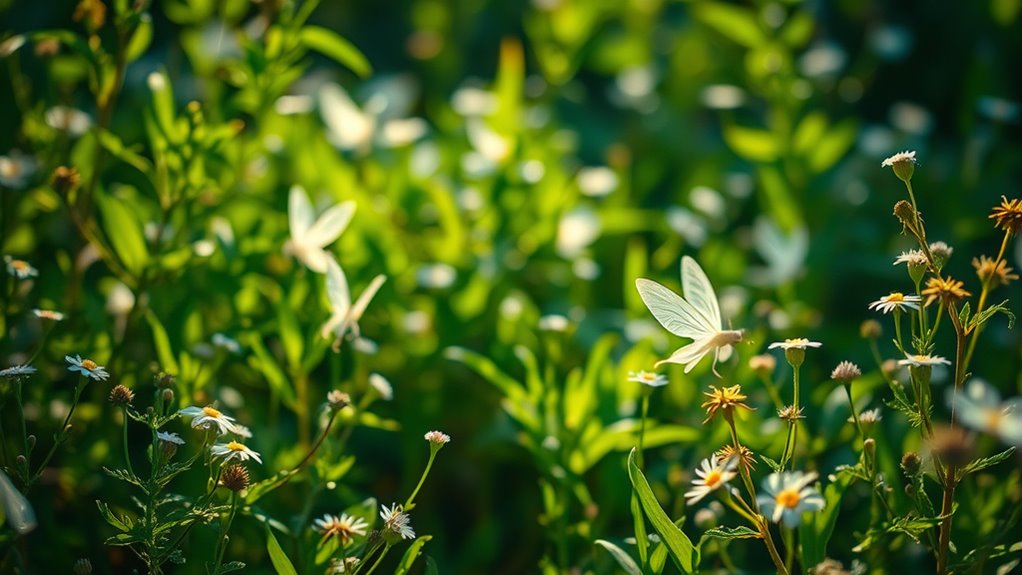
The Cottingley Fairies controversy remains one of the most intriguing hoaxes in photographic history, capturing the imagination of the public and skeptics alike. When you look at the famous photographs, it’s easy to see why they sparked such fascination. These images appeared to show fairies fluttering around a young girl named Elsie Wright and her cousin Frances Griffiths in 1917. For years, many believed these photos were genuine, fueling debates about the existence of supernatural beings. But in reality, the images were a clever photographic hoax, carefully crafted with paper cutouts and tricks of perspective. This revelation didn’t diminish their cultural impact; instead, it highlighted how powerful visual storytelling can be, even when it’s misleading. The photos became cultural symbols, inspiring books, plays, and discussions about belief and skepticism. People questioned what they saw and what they wanted to believe, making the images a mirror for broader societal themes. The hoax’s origins are rooted in the ingenuity of the young girls, who used simple materials and camera tricks to create their fairy images. They initially claimed the photos were real, but as time passed, doubts grew. Some believed the girls genuinely thought the images were authentic, while others suspected a deliberate hoax from the start. The controversy deepened when reputable figures, including the famed author Sir Arthur Conan Doyle, endorsed the photographs, lending them a sense of credibility. Doyle, in particular, saw the images as evidence supporting his belief in spiritualism, which only amplified the cultural impact of the hoax. When the truth was eventually revealed—that the fairies were cutouts and the photos staged—the discussion shifted from whether the fairies were real to what these images represented. You realize that the controversy isn’t just about a photographic hoax, but about how visual media influences belief and perception. The incident exemplifies how easily people can be captivated by images, even when they’re deliberately fabricated. It also exposes the power of storytelling and the importance of skepticism in evaluating photographic evidence. The photographs, though fake, left a lasting legacy in popular culture, prompting questions about reality, faith, and the limits of photographic truth. Their story reminds you that sometimes, what you see isn’t always what’s real, and that the cultural impact of a hoax can be just as significant as genuine discovery. Ultimately, the Cottingley Fairies serve as a fascinating case study in the history of photography, illustrating how a simple trick can resonate across generations, shaping beliefs and challenging perceptions in profound ways. This controversy also demonstrates the significance of visual media in shaping public perceptions and beliefs.
Frequently Asked Questions
Were the Cottingley Fairy Photographs Ever Officially Authenticated?
The Cottingley fairy photographs were never officially authenticated. You might find expert opinions vary—some believe the photos are clever hoaxes, while others think they could be genuine. Despite ongoing debates, no formal photograph authentication has confirmed their authenticity. The photos remain a fascinating case of illusion and belief, enthralling you with their mystery. Ultimately, their status as authentic or fake continues to spark curiosity and debate among enthusiasts and experts alike.
How Did the Public Initially React to the Fairy Photographs?
You might be surprised to learn that the public fascination with the Cottingley fairy photographs was overwhelming at first, but initial skepticism persisted. Many people believed the images were genuine, captivated by the enchanting scenes. However, skeptics doubted their authenticity, questioning how such clear photos could be real. The mix of wonder and doubt created a lively debate, drawing widespread attention and curiosity around these famous fairy images.
What Role Did Sir Arthur Conan Doyle Play in the Controversy?
Sir Arthur Conan Doyle, wielding his literary influence like a beacon, championed the fairy photographs, turning the controversy into a battle between belief and skepticism. His spiritual influence shone brightly, as he endorsed their authenticity, convincing many that fairies were real. Doyle’s staunch support transformed the photographs from mere hoax to symbols of a mystical world, blurring the lines between fiction and reality in the minds of the public.
Have Modern Technology or Analysis Proven the Photographs Genuine or Fake?
Modern digital analysis and verification methods have proven the Cottingley Fairy photographs to be fakes. Experts used tools like computer enhancement and close examination to reveal inconsistencies, such as cutouts and manipulated images. These technological advances show that the photographs are not genuine, debunking the original claims of authenticity. So, you can trust that today’s modern verification conclusively establishes these images as hoaxes, not real fairy photographs.
Did the Creators of the Photographs Ever Admit to Hoaxing?
Ironically, the creators of the Cottingley Fairies photographs never officially made a hoax admission or a creator confession. They maintained for years that the images were genuine, although some believed their elaborate fairy scenes were just playful deceptions. Despite persistent doubts, the authorship remained ambiguous, leaving us to wonder whether these enchanting images were innocent fun or clever fabrications, all while the creators stayed silent on any admitted trickery.
Conclusion
You see, the Cottingley Fairies controversy challenges your beliefs, tests your skepticism, and questions your trust. It invites you to contemplate the power of perception, the limits of evidence, and the nature of belief itself. Ultimately, it reminds you that truth and illusion often intertwine, that innocence and deception coexist, and that your understanding is shaped by what you choose to see, believe, and accept. In the end, the story invites you to reflect, to wonder, and to decide.