The Scole Experiment, conducted from 1993 to 1998, explores paranormal phenomena like levitations, materializations, and spirit voices under controlled conditions. You’ll find documentation from witness testimonies, video recordings, and investigator reports that support its findings. This systematic effort aimed to challenge traditional science and suggest new understandings of consciousness and the supernatural. If you want to uncover more about how they achieved these results, there’s plenty more to discover beyond this overview.
Key Takeaways
- The Scole Experiment was conducted from 1993 to 1998 to investigate paranormal phenomena through systematic scientific methods.
- It involved controlled sessions with devices like spirit boards, audio equipment, and sealed containers to document events.
- Phenomena observed included object movements, luminous apparitions, and spirit voices, supported by videos, logs, and participant testimonies.
- Sources include investigator reports, video recordings, witness accounts, and critical analyses by skeptics and supporters.
- The experiment aimed to challenge conventional science, exploring consciousness and the possibility of life after death.

Have you ever wondered if the supernatural is truly beyond our reach? The Scole Experiment, conducted between 1993 and 1998, invites you to contemplate that possibility. It stands as one of the most compelling cases of paranormal research, aiming to demonstrate phenomena beyond ordinary explanation. Unlike many ghost stories or anecdotal reports, the Scole group used a systematic approach rooted in experimental methodology. They designed their investigations carefully, employing controlled conditions to observe and document what they believed were genuine supernatural events. This rigorous approach was intended to distinguish their work from mere superstition or coincidence, making it a notable example of scientific curiosity intersecting with the paranormal.
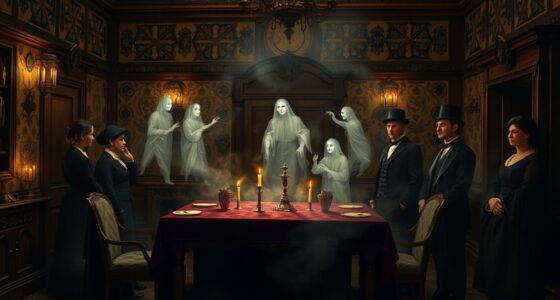
Throughout the experiment, the participants sought to communicate with spirits and explore phenomena like materializations, levitations, and unexplained voices. They used a variety of devices including sealed containers, spirit boards, and audio recording equipment, all under strict protocols designed to minimize fraud or suggestion. Their goal was to create an environment where supernatural occurrences could be observed and measured objectively. They believed that by applying a disciplined experimental methodology, they could gather credible evidence that would challenge the boundaries of conventional science. This approach set the Scole Experiment apart from many other investigations into the paranormal, which often rely on subjective experiences rather than methodological rigor. Additionally, the researchers emphasized the importance of controlling variables to ensure the integrity of their findings.
Participants used devices and strict protocols to objectively observe and measure supernatural phenomena.
Sources describing the Scole Experiment include witness testimonies, video recordings, and detailed reports from the investigators themselves. These sources describe phenomena such as objects moving on their own, luminous apparitions, and spirit voices captured on tape. The participants maintained detailed logs and documented their sessions meticulously, providing a record that critics and supporters alike have examined over the years. While skeptics argue that some events could be explained by trickery or natural causes, supporters contend that the consistency and complexity of the phenomena suggest something genuinely extraordinary. The experiment’s transparency and commitment to scientific principles have helped it gain attention in discussions about the legitimacy of paranormal research.
Ultimately, the Scole Experiment challenges you to think about whether the supernatural might someday be understood through systematic inquiry. Its use of experimental methodology demonstrates that exploring the unknown doesn’t have to rely solely on mysticism or superstition. Instead, it shows that with careful planning and scientific rigor, you might uncover phenomena that push the limits of what we currently accept as reality. Whether these events are truly supernatural or not, they undeniably open a door to new questions about the nature of consciousness, life after death, and the universe itself.
Top picks for "scole experiment context"
Open Amazon search results for this keyword.
As an affiliate, we earn on qualifying purchases.
Frequently Asked Questions
What Specific Methods Did the Scole Group Use for Their Experiments?
You observe that the Scole group used experimental protocols involving séance sessions with mediums and sitters. They employed data collection techniques like video, audio recordings, and infrared cameras to capture phenomena. The team also documented physical effects such as levitations and materializations. These methods aimed to verify the authenticity of spirits’ activities, combining scientific tools with traditional séance practices to gather measurable evidence of paranormal phenomena.
Were There Any Notable Skeptics or Critics of the Scole Experiment?
Like a lighthouse in a storm, scientific skepticism cast doubt on the Scole Experiment. Critics and skeptics, often grounded in methodological critiques, questioned its validity and reproducibility. Many believed the experiment’s results could be explained by natural or psychological factors rather than paranormal phenomena. Their doubts highlight the importance of rigorous scientific standards, challenging the experiment’s claims and urging further scrutiny rather than acceptance at face value.
How Did the Scole Experiment Influence Subsequent Paranormal Research?
The Scole Experiment notably influenced subsequent paranormal research by showcasing innovative experimental protocols that aimed to explore spirit communication scientifically. You can see its research legacy in how it inspired other investigators to adopt rigorous methods, blending spirituality with scientific inquiry. This experiment encouraged a more open-minded yet disciplined approach, pushing the boundaries of paranormal studies, and prompting further investigation into the mechanisms behind phenomena supposedly linked to the afterlife.
What Were the Long-Term Impacts on the Participating Individuals?
You likely experienced lasting psychological effects from participating, including shifts in beliefs and increased curiosity about the paranormal. Personal testimonies reveal feelings of awe or skepticism, which can influence your worldview. Some might have faced emotional challenges or heightened sensitivity to unexplained phenomena. These long-term impacts shape how you process extraordinary experiences, influencing your perspective on life, death, and the possibility of an afterlife.
Are There Any Documented Cases of Fraudulent Activity in the Experiment?
While there’s no definitive proof of outright deception, some skeptics argue that forensic scrutiny raises ethical concerns about the validity of certain phenomena. No documented cases of deliberate fraud have emerged, but skeptics remain cautious, suggesting that some events could be misinterpreted or manipulated. You should consider both the genuine curiosity driving these investigations and the importance of rigorous, transparent evaluation to address any doubts.
Conclusion
You can imagine witnessing over 250 spirit phenomena during the Scole Experiment, each event shaking your understanding of reality. This remarkable number highlights how active and persistent the experiment was over five years. It’s as if unseen forces repeatedly reached out to challenge what you thought was impossible. The experiment’s enduring nature and the frequency of these phenomena leave you with a vivid image of a world where the boundaries between the living and the dead blur, inviting curiosity and wonder.