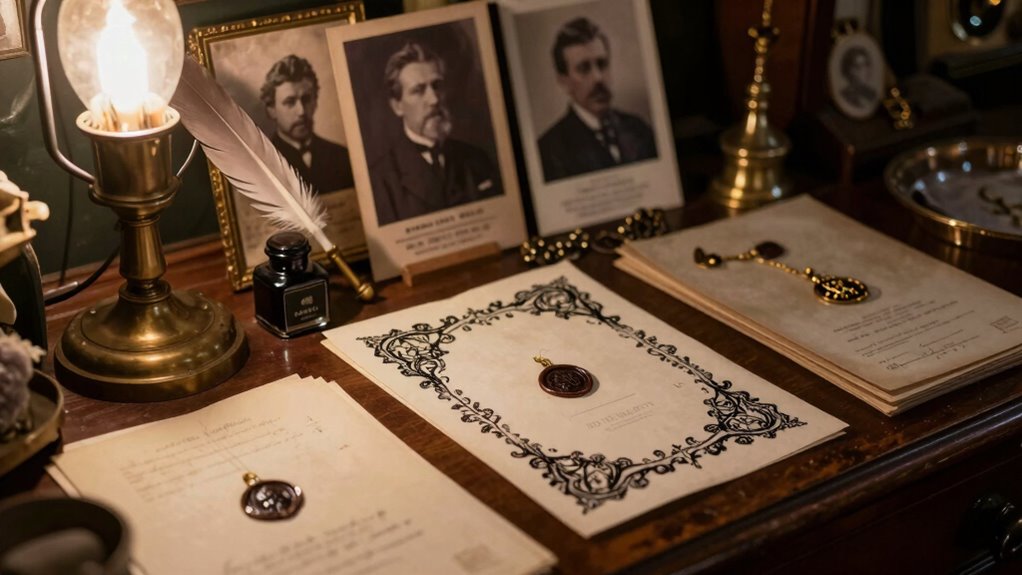

You might find it surprising how mourning stationery has a long, fascinating history. It started as a formal way to show respect and sympathy during times of loss, often featuring symbols like black borders and mourning emblems. During the Victorian era, designs became more elaborate, including poetic verses and funeral details. Today, it’s less formal but still a meaningful gesture. If you continue exploring, you’ll uncover even more intriguing stories behind these enduring traditions.

Get books and cozy reading nights delivered free with Prime
- Fast, free delivery on millions of items
- Prime Video, Amazon Music and more included
- Member-only deals all year
Key Takeaways
- Mourning stationery originated as a formal expression of sympathy and respect, often featuring symbols like black borders and emblems.
- During the Victorian era, it became highly elaborate, with embossed designs, poetic verses, and funeral details included.
- It served to reinforce social bonds, participate in collective mourning, and communicate grief across distances.
- Its formality and symbolism reflected societal expectations and cultural attitudes toward death and remembrance.
- Today, mourning stationery remains a meaningful gesture, blending traditional symbols with modern sensitivities to honor the departed.
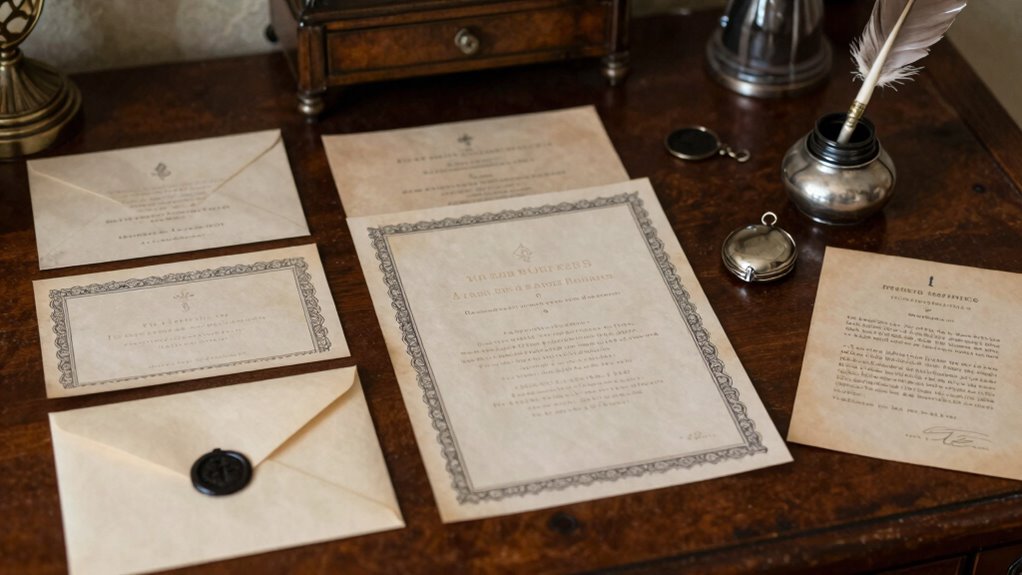
Mourning stationery has a long and meaningful history rooted in expressing sympathy and respect during times of loss. In the past, when someone faced the death of a loved one, it wasn’t uncommon to send handwritten notes, condolence cards, or formal letters as part of the mourning process. These pieces of stationery served as tangible symbols of compassion, connecting those grieving with friends and family who wanted to offer comfort. Over time, mourning stationery became a vital element of funeral customs and grieving rituals, helping to navigate the emotional landscape of loss with dignity and grace.
Mourning stationery symbolizes compassion, connection, and respect in times of loss, evolving with funeral customs and grieving traditions.
In earlier centuries, mourning stationery was often highly formal, reflecting societal expectations surrounding death and bereavement. The design and tone of these materials conveyed respect, sorrow, and reverence for the deceased. People used specific symbols, such as black borders or mourning emblems, to signify their participation in mourning rituals. These symbols helped maintain a shared understanding of the gravity of the situation, reinforcing social bonds during a time of collective grief. Sending a condolence letter was considered a moral obligation, and it was seen as a way to honor the departed while providing solace to the bereaved. Additionally, the social customs surrounding mourning stationery played a significant role in shaping cultural attitudes toward death and remembrance. The use of symbolic imagery also helped visually communicate the message of mourning in an era before widespread literacy.
As funeral customs evolved, so did mourning stationery. During the Victorian era, elaborate stationery with embossed designs and poetic verses became popular. These items often included details about the funeral service, such as date, time, and location, making it easier for recipients to pay their respects. Mourning stationery was also used to communicate the passing of a loved one to distant relatives or friends who couldn’t attend the funeral. It became a formal way of sharing grief and maintaining social connections amidst personal sorrow. Furthermore, the evolution of funeral customs influenced the variety and style of mourning stationery, reflecting broader societal changes.
Throughout history, grieving rituals have incorporated mourning stationery as a comforting tradition. Sending and receiving these tokens of sympathy was not only about expressing sorrow but also about reaffirming social bonds, showing respect, and participating in collective mourning. Today, while the formality of mourning stationery has relaxed in many cultures, its significance endures. It remains a heartfelt gesture that helps people process grief, honor the departed, and support each other through difficult times. The history of mourning stationery reveals how a simple piece of paper can carry profound emotional weight, serving as a lasting symbol of compassion and remembrance. Additionally, modern mourning practices still preserve the tradition of formal communication, adapting it to contemporary needs and sensitivities. Recognizing the enduring importance of these customs, many cultures continue to use symbolic imagery and traditional fonts in their memorial correspondence, blending history with modernity. Preserving these traditions helps maintain a sense of continuity and shared cultural values during times of loss.
As an affiliate, we earn on qualifying purchases.
Frequently Asked Questions
When Did Mourning Stationery First Become Commercially Available?
Mourning stationery first became commercially available in the early 19th century. You’ll notice its evolution of design reflects the influence of social customs surrounding grief and remembrance. As mourning practices grew more formal, companies began producing specialized stationery with subdued colors and symbols like crosses or palm branches. This shift allowed individuals to express sympathy respectfully, blending tradition with evolving social norms, making mourning stationery a thoughtful, widely accessible way to honor loved ones.
Are There Specific Symbols Used in Mourning Stationery?
Yes, mourning stationery often features symbolic motifs like crosses, doves, or wreaths, which convey sympathy and remembrance. Color symbolism plays a key role too; black signifies mourning, while white represents purity and peace. You’ll notice these symbols and colors carefully chosen to reflect respect and sorrow. When sending mourning stationery, you’re using these visual cues to communicate your heartfelt condolences subtly yet meaningfully.
How Did Mourning Stationery Differ Across Cultures?
You’ll notice mourning stationery varies widely across cultures, reflecting different funeral customs and cultural symbolism. In Western traditions, subdued colors like black dominate, emphasizing mourning’s solemnity. Meanwhile, in Japan, white symbolizes purity and respect for the deceased. In some African cultures, vibrant patterns celebrate life. These differences show how each society’s funeral customs influence the design and symbolism of mourning stationery, making it a unique reflection of cultural values.
What Materials Were Traditionally Used to Make Mourning Stationery?
You see, mourning stationery was traditionally made from high-quality paper to reflect respect and solemnity. Artists incorporated symbolic motifs like crosses, wreaths, or lilies to convey mourning themes. The paper’s texture and weight signified the message’s importance, often using finer, more durable materials. These choices guaranteed the stationery conveyed reverence, with the symbolic motifs adding emotional depth, making each piece a meaningful tribute to the departed.
Is Mourning Stationery Still Used in Modern Times?
You’ll notice that mourning stationery still appears in modern funeral customs, serving as a heartfelt way to express grief. Imagine delicate, somber cards with embossed edges, offering comfort during sorrow. Though less common, many still send personalized notes to honor loved ones. This tradition maintains a respectful, tangible connection, acting as a gentle reminder of shared mourning, and helping others navigate the complex emotions of grief expression.
Conclusion
As you reflect on the history of mourning stationery, you realize it’s more than just paper; it’s a delicate dance with life’s inevitable evolutions. These mourning notes, softly echoing sentiments of farewell, remind you that even in loss, there’s a tender beauty in remembrance. Embracing this tradition allows you to navigate the quiet moments of parting with grace, acknowledging that every goodbye gently leads to new beginnings in the silent language of memory.
Halloween Picks
halloween
As an affiliate, we earn on qualifying purchases.