
Vampire panics happen during times of social upheaval, disease, or death, when communities face fear and uncertainty. People’s misunderstandings about sickness, like tuberculosis or rabies, led to mistaken signs of vampirism, such as blood or bloating. Folk beliefs, combined with superstition, fueled rituals like exhumation or staking bodies. During crises, these fears intensified, causing widespread panic and harmful practices. If you stay tuned, you’ll uncover how these fears shaped history and culture.

Get books and cozy reading nights delivered free with Prime
- Fast, free delivery on millions of items
- Prime Video, Amazon Music and more included
- Member-only deals all year
Key Takeaways
- Vampire panics often arose during societal upheavals like plagues, wars, or economic crises, reflecting collective fears of death and chaos.
- Misunderstood medical symptoms, such as disease signs, fueled fears of vampirism and led to exhumation and ritualistic practices.
- Folk beliefs rooted in superstition and death mysteries contributed to community responses like staking and burning bodies.
- These panics served as attempts to control uncertainty about death, blending cultural rituals with early medical misunderstandings.
- Fear, ignorance, and societal stress during crises prompted actions that reinforced vampire folklore and caused tragic consequences.
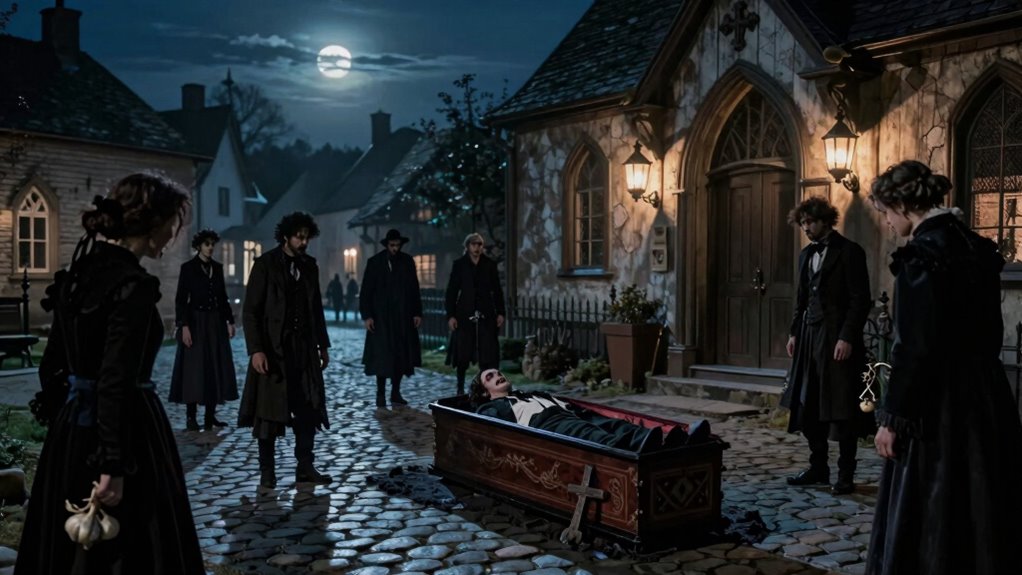
Vampire panics have erupted periodically throughout history, often fueled by fear, ignorance, and societal upheaval. During these episodes, communities become obsessed with the idea that the dead are returning to feed on the living, and this fear quickly spreads, prompting mass hysteria. At the heart of these panics are folk beliefs rooted in centuries of superstition. In many cultures, death was shrouded in mystery, and the idea that corpses could become malevolent spirits or reanimated beings was common. People believed that the dead might leave their graves to prey on the living, especially during times of disease and hardship. These folk beliefs provided a framework that made sense of unexplained deaths, unusual post-mortem appearances, or sudden outbreaks of illness, leading communities to take drastic measures to protect themselves.
Vampire panics reflect fear and ignorance, rooted in superstition and misunderstood signs of death and disease.
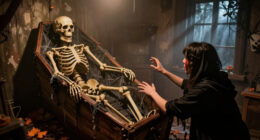
However, what initially fueled these fears often had roots in misunderstood medical phenomena. As societies lacked the scientific knowledge we have today, symptoms of illnesses such as tuberculosis, rabies, or certain bacterial infections were misinterpreted as signs of vampirism. For example, pallid skin, bloodied or discolored gums, and the presence of blood at the mouth were seen as evidence of a vampire’s feeding. The bloating of corpses, a natural part of decomposition, was mistaken for signs of life, prompting investigations into graves. People believed that the deceased showed signs of returning from the dead, leading to practices like exhumation and staking bodies to prevent further “vampire” activity. Additionally, these fears were often amplified by societal upheaval, which heightened anxieties about death and the unknown. These upheavals often exacerbated superstitions, creating fertile ground for these episodes of panic to spread. Social upheaval also contributed to widespread paranoia, as communities sought tangible explanations amid chaos.
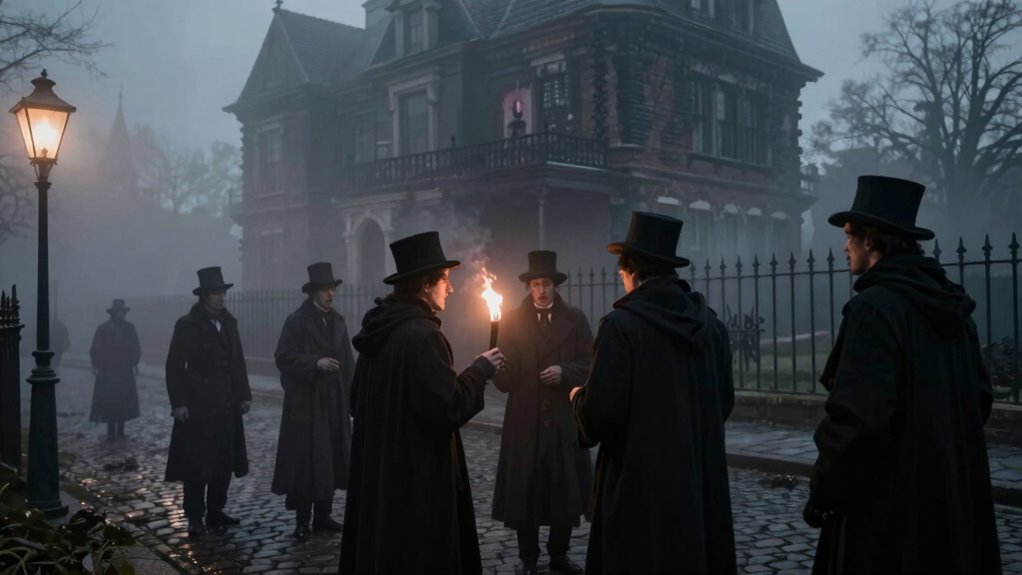
These fears were often magnified by societal upheaval, such as plagues, war, or economic crises, which heightened anxieties about death and the unknown. When outbreaks of disease struck, communities looked for explanations, and folklore provided a convenient scapegoat. The medical explanations—although misunderstood then—were sometimes used to justify the gruesome rituals performed on the dead, like decapitation or burning, aimed at warding off the supposed threat of vampires. Interestingly, the spread of misinformation during these times often reinforced these harmful practices and beliefs, leading to tragic consequences. Over time, these rituals became part of local traditions, blending folk beliefs with early attempts at medical understanding, even if they were based on incomplete or incorrect knowledge. These rituals often persisted as communal responses to fear, further entrenching the cultural practices associated with vampire panics. Such rituals served as a way for communities to regain a sense of control over their fears during uncertain times.
In essence, vampire panics are a reflection of human attempts to make sense of death and disease in times of chaos. Whether driven by superstition or misinterpreted medical signs, these episodes reveal how fear can distort reality and lead communities to act on their anxieties, often with tragic consequences.
As an affiliate, we earn on qualifying purchases.
Frequently Asked Questions
How Did Vampire Fears Influence Modern Horror Genres?
You see how vampire fears shaped modern horror genres by introducing supernatural symbolism that explores deep cultural anxieties. These stories tap into fears about death, disease, and the unknown, reflecting societal worries of their time. Today’s horror movies and books draw on these themes, making vampires symbols of larger fears, like loss of control or moral decay, which keeps audiences engaged and provides a way to confront their own cultural anxieties.
Were Vampire Panics Linked to Specific Cultural or Religious Beliefs?
You might think superstition’s just old wives’ tales, but vampire panics often stemmed from deep-seated religious symbolism and superstitious beliefs. These fears reflected societal anxieties about death, morality, and the supernatural, linking vampires to religious transgressions or evil spirits. As the saying goes, “A picture is worth a thousand words,” and these fears painted vivid images of danger lurking beyond the grave, fueling widespread panic rooted in cultural and religious fears.
Did Vampire Hysteria Occur Simultaneously in Different Countries?
Yes, vampire hysteria occurred simultaneously in different countries. You see, medical misconceptions, like beliefs in blood-drinking as a cause of disease, fueled fears worldwide. Cultural symbolism also played a role, with vampires representing death, decay, or social anxieties. This shared fear crossed borders, often triggered by local outbreaks of mysterious illnesses, causing similar vampire panics in Europe, North America, and beyond, despite different cultural backgrounds.
How Did Medical Explanations Impact Vampire Superstitions?
Medical skepticism and scientific explanations markedly impacted vampire superstitions by offering rational alternatives to supernatural beliefs. You see, during vampire panics, people started questioning old superstitions as scientists and doctors proposed natural causes for mysterious deaths, like tuberculosis or other illnesses. These scientific explanations gradually challenged superstitions, reducing fear and hysteria, and shifting public opinion from supernatural to medical understanding. This shift helped diminish the widespread vampire fears over time.
What Role Did Folklore Play in Shaping Vampire Stories?
You see, folklore played a huge role in shaping vampire stories, often drawing from ancient myths of undead or blood-drinking creatures. For example, local legends of revenants in Eastern Europe influenced vampire tales, blending folklore origins with fears of the unknown. These mythical creatures, rooted in cultural beliefs, provided a foundation for vampire narratives, turning superstitions into stories that persisted through generations, shaping the way societies understood death and the supernatural.
Conclusion
Understanding vampire panics helps you see how fear and superstition can grip society like an iron claw, turning everyday worries into legendary nightmares. These outbreaks weren’t just fleeting fads—they were thunderclaps echoing through history, shaping beliefs and cultures. By recognizing these patterns, you realize how easily fear can morph into hysteria, making society’s collective imagination run wild with tales darker than the night itself. It’s a reminder that sometimes, our fears are the greatest monsters of all.
Columbus Day / Indigenous Peoples' Day Picks
long weekend sales
As an affiliate, we earn on qualifying purchases.