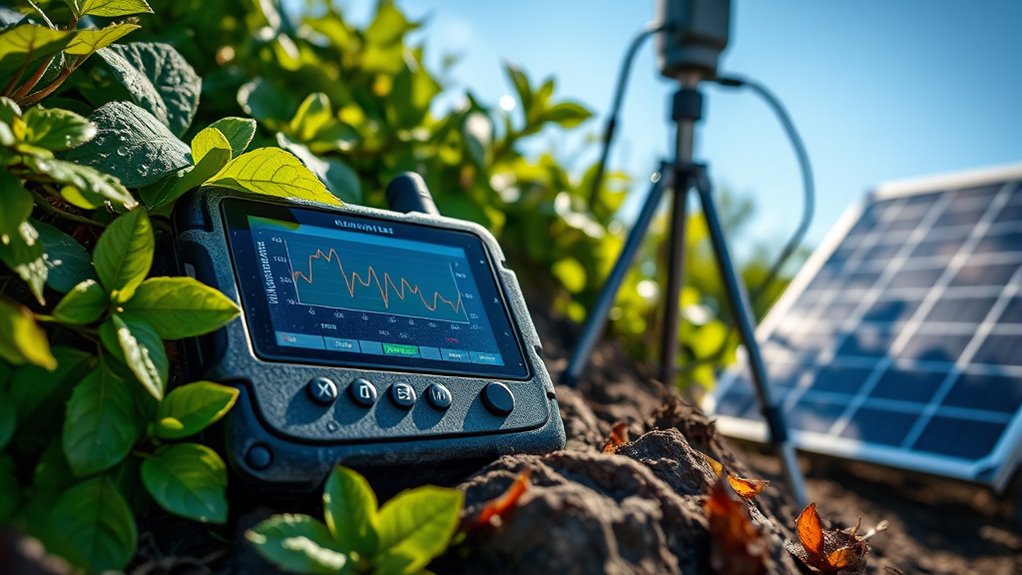

To effectively log environmental data, start by calibrating your sensors to guarantee accurate measurements and compare readings against known standards. Prepare your setup consistently before deployment, and verify calibration regularly to prevent drift over time. Collect data systematically, using reliable storage options like cloud or local servers to safeguard your information. Automate backups and maintain detailed calibration logs. Continuously monitor calibration and storage practices to keep your data precise—discover more techniques to enhance your environmental data logging.
Key Takeaways
- Select and properly calibrate sensors using reference standards before deployment to ensure measurement accuracy.
- Systematically set up sensors and initial data collection procedures to establish consistent baseline data.
- Use reliable storage solutions, such as cloud or local servers, with automatic backups for collected environmental data.
- Perform regular calibration checks during data logging to identify and correct sensor drift over time.
- Maintain detailed calibration logs and data records to verify data integrity and support ongoing analysis.
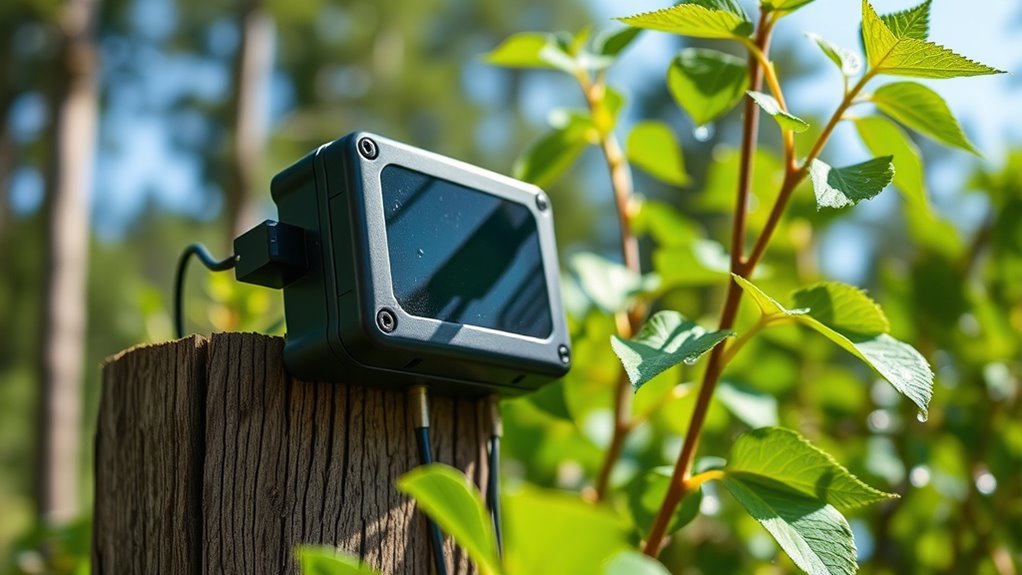
Have you ever wondered how scientists track changes in the environment over time? It all starts with reliable data collection, which depends heavily on proper sensor calibration and effective data storage methods. Sensor calibration is essential because it ensures that your sensors provide accurate and consistent readings. Over time, sensors can drift from their original calibration due to environmental factors or wear and tear. Regular calibration involves comparing sensor outputs against known standards and adjusting them accordingly. This process guarantees that your measurements reflect real-world conditions accurately, preventing faulty data from skewing your analysis. When calibrating sensors, you might use calibration solutions or reference instruments to verify their accuracy. Keeping a detailed calibration log helps track adjustments and maintain data integrity throughout your project.
Once your sensors are properly calibrated, capturing data becomes your next priority. But collecting data isn’t enough—you also need a robust method to store it. Data storage methods vary depending on your project’s scale and complexity. For small-scale or field projects, portable devices like SD cards or USB drives are convenient, allowing you to easily transfer data for analysis later. Larger projects, however, often require more sophisticated solutions such as cloud-based storage or dedicated servers. Cloud storage offers the advantage of remote access and automatic backups, reducing the risk of data loss. On the other hand, local servers can provide faster access and more control over sensitive data. Whichever method you choose, ensure it has sufficient capacity and incorporates security measures to protect your data from corruption or unauthorized access.
Integrating sensor calibration with your data storage strategy creates a seamless flow in your data logging process. Before deploying sensors, double-check their calibration to avoid collecting inaccurate data from the outset. During operation, regularly verify calibration if possible, especially in long-term projects, to catch any drift early. Simultaneously, implement reliable data storage solutions that can handle your data volume and facilitate easy retrieval. Automate data backups if available, so you don’t risk losing valuable information. By maintaining diligent calibration routines and choosing appropriate storage methods, you’ll establish a solid foundation for accurate, high-quality environmental data logging. This careful preparation makes subsequent data analysis more meaningful, helping you draw precise conclusions about environmental changes over time.

FLIR E5 Pro - Commercial Thermal Imaging Camera with Wifi. High Resolution Infrared Camera with FLIR Ignite Cloud
Model E5 Pro: Handheld IR camera measures temperatures from -20°C to 400°C (-4°F to 752°F)
As an affiliate, we earn on qualifying purchases.
Frequently Asked Questions
What Are the Best Environmental Data Loggers for Beginners?
You should look for user-friendly environmental data loggers like the HOBO MX1101 or the EL-USB-2 from Lascar. These devices are simple to operate, offer easy sensor calibration, and have reliable data storage options like internal memory or SD cards. They often come with clear instructions, making them perfect for beginners. Focus on models with good support and straightforward interfaces to make certain a smooth data logging experience.
How Can Data Logging Improve Environmental Research Accuracy?
Data logging boosts your environmental research accuracy by providing continuous, real-time data, reducing human error. By regularly calibrating sensors, you guarantee precise measurements. Additionally, implementing robust data security measures protects your data from tampering or loss. This combination allows you to detect subtle environmental changes more confidently, making your research more reliable and meaningful. Accurate, secure data collection ultimately leads to stronger, more credible environmental insights.
What Maintenance Is Required for Long-Term Data Loggers?
You should perform regular calibration routines every few months to ensure data accuracy, as even slight sensor drift can skew results. Additionally, battery management is vital—monitor batteries frequently and replace or recharge them as needed, since some loggers can operate for over a year on a single charge. Interestingly, proper maintenance can extend your data logger’s lifespan by up to 50%, saving you time and money in the long run.
Are There Wireless Options for Remote Environmental Data Collection?
Yes, wireless sensors enable remote monitoring of environmental data, making data collection more efficient. You can set up these sensors to transmit information automatically to your central system, reducing the need for physical access. This technology is ideal for hard-to-reach or hazardous areas, providing real-time updates and improving data accuracy. With wireless options, you’ll streamline your environmental monitoring process and get timely insights without frequent site visits.
How to Troubleshoot Common Data Logging Issues?
You might think troubleshooting is complicated, but focusing on sensor calibration and power supply issues can resolve most problems quickly. First, guarantee your sensors are properly calibrated; inaccurate readings often stem from calibration drift. Next, check your power supply—replace batteries or verify connections. If issues persist, review data connections and firmware updates. Regular maintenance and calibration help prevent future problems, ensuring reliable environmental data collection.

FOXWELL RT280 Thermal Imaging Camera, 320 X 240 2.8" LCD Screen Thermal Camera, TISR Resolution 240 x 180, 25Hz Handheld Infrared Cameras with Laser, PC Analysis, Photo & Video Recording, 8GB Storage
【Enhanced Thermal Clarity for Precise Inspections】The RT280 handheld thermal imaging camera features a 2.8-inch 320×240 LCD screen for...
As an affiliate, we earn on qualifying purchases.
Conclusion
By mastering environmental data logging, you unleash the power to uncover hidden patterns and validate theories about our planet’s health. Some skeptics believe data collection is just routine, but in reality, it’s your key to making impactful discoveries. As you log and analyze data, you might just prove that small changes lead to big impacts, or challenge long-held beliefs. So keep logging, questioning, and exploring—because the truth about our environment is waiting to be discovered through your efforts.

FLIR TG165-X Thermal Imaging Camera with Bullseye Laser: Commercial Grade Infrared Camera for Building Inspection, HVAC and Electrical
MODEL TG165-X: 4,800 pixel IR camera measures temperatures from -25°C to 300°C (-13°F to 572°F)
As an affiliate, we earn on qualifying purchases.
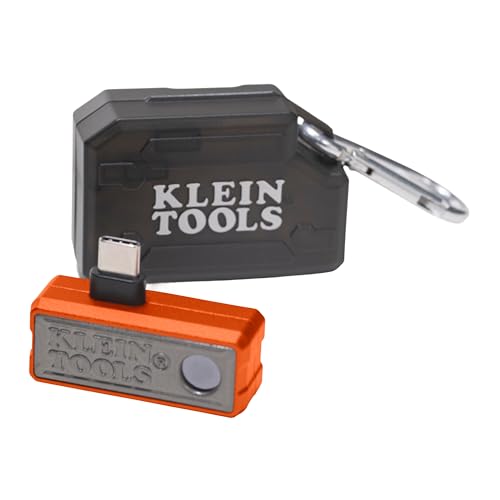
Klein Tools TI223 Mobile Thermal Imaging Camera, Thermal Imager for iOS and Android, 19,200 Pixels, Wide Temperature Range of -4 to 752-Degree Fahrenheit, Professional Infrared Camera
19,200-PIXEL RESOLUTION: High-quality thermal imaging camera delivers excellent resolution for troubleshooting hot and cold spots in electrical and...
As an affiliate, we earn on qualifying purchases.