
To follow effective interview protocols step-by-step, start by clearly defining your purpose and target information. Craft simple, neutral questions that are open or closed as needed, ensuring they are respectful and culturally appropriate. Practice ethical considerations by respecting privacy and maintaining transparency. Organize your questions logically and pilot test them to identify issues. If you keep these steps in mind, you’ll design interviews that gather honest, reliable responses, with more helpful tips available if you continue exploring.
Key Takeaways
- Define clear objectives and purpose for the interview to guide protocol development.
- Prepare a structured set of open-ended and closed questions aligned with research goals.
- Ensure questions are simple, neutral, culturally appropriate, and ethically respectful.
- Pilot test the protocol to identify ambiguities or biases and adjust accordingly.
- Follow ethical guidelines by obtaining consent, ensuring confidentiality, and respecting participant boundaries.

Have you ever wondered how interviewers gather consistent and reliable information? It all begins with careful question design, a fundamental step in developing effective interview protocols. Your goal is to craft questions that elicit clear, honest, and relevant responses. To do this, you need to consider the purpose of your interview and the type of information you’re seeking. Well-designed questions are open enough to encourage detailed answers but focused enough to stay on topic. Avoid leading questions that may sway responses or overly complex questions that might confuse the interviewee. Instead, aim for simplicity and neutrality, which helps in collecting unbiased data. Incorporate both open-ended and closed-ended questions where appropriate, balancing detailed insights with straightforward factual responses. This thoughtful approach ensures you gather thorough information without creating confusion or bias.
Equally important are the ethical considerations involved in question design. You must respect the interviewee’s rights and privacy, which means avoiding questions that are intrusive, sensitive, or irrelevant to your research or purpose. Always ask yourself whether a question might cause discomfort or infringe on personal boundaries. If so, consider rephrasing or omitting it. Transparency is key—inform the interviewee about the purpose of the interview and how their responses will be used. This builds trust and encourages honesty. Additionally, ensure confidentiality and anonymity when necessary, so interviewees feel safe sharing genuine responses. Ethical question design also involves avoiding any form of manipulation or coercion. You should create a comfortable environment where participants feel free to express their true opinions without pressure or fear of negative consequences.
Furthermore, when designing questions, remember to consider cultural sensitivities and language clarity. Tailor your questions to be culturally appropriate and easy to understand, avoiding jargon or ambiguous phrasing. Pilot testing your questions with a small group beforehand can help identify potential issues related to wording or interpretation. This step guarantees your questions are effective and ethically sound before you conduct the main interview. Recognizing the importance of question clarity can significantly improve the quality of responses you receive. Overall, integrating ethical considerations into question design strengthens the integrity of your data collection process. It shows respect for your participants and enhances the credibility of your findings. When done correctly, this careful planning leads to more accurate, reliable, and ethically sound interviews. So, always approach question design with intention and sensitivity, recognizing that the quality of your questions directly impacts the quality of the information you gather.

FLIR E5 Pro - Commercial Thermal Imaging Camera with Wifi. High Resolution Infrared Camera with FLIR Ignite Cloud
Model E5 Pro: Handheld IR camera measures temperatures from -20°C to 400°C (-4°F to 752°F)
As an affiliate, we earn on qualifying purchases.
Frequently Asked Questions
How Do I Handle Unexpected Interview Disruptions?
When unexpected disruptions occur, stay calm and quickly adapt. Check your interview environment for noise or interruptions, and guarantee technology preparedness by testing your equipment beforehand. If tech issues happen, calmly inform the interviewer and suggest rescheduling if needed. Keep a professional attitude, maintain eye contact, and focus on your responses. Your composure demonstrates resilience and professionalism, turning disruptions into opportunities to showcase your problem-solving skills.
What Are Best Practices for Follow-Up Questions?
To use probing strategies effectively, ask open-ended follow-up questions that encourage detailed responses. Focus on question sequencing by starting with broad inquiries and gradually narrowing down to specifics. You should listen actively and identify gaps or ambiguities, then craft probing questions to clarify or expand on previous answers. This approach guarantees a natural flow, deepens your understanding, and helps gather thorough insights during the interview.
How Do I Ensure Interview Consistency Across Sessions?
Think of your interviews as a well-rehearsed symphony; to keep it harmonious, use standardized questions as your sheet music. You guarantee consistency by providing thorough interviewer training, so each conductor follows the same tempo and cues. Regular calibration sessions help fine-tune your approach, preventing discord. This way, every session resonates with reliability, giving you confidence that your data remains steady and comparable across all interviews.
What Techniques Improve Interviewee Comfort?
To improve interviewee comfort, focus on building rapport early by engaging in friendly conversation and showing genuine interest. Use active listening to make them feel heard and understood, which helps reduce anxiety. Maintain eye contact, nod, and provide affirmations to encourage openness. Keep your tone warm and approachable, and allow pauses for their responses. These techniques create a trusting environment, helping interviewees relax and share more freely.
How Should I Document Interview Responses Effectively?
You should use clear note-taking strategies, like abbreviations and consistent symbols, to capture responses efficiently. Incorporate observational techniques by noting non-verbal cues alongside verbal answers. Notably, interviewers who actively listen and document simultaneously tend to recall details 30% better later. Focus on concise, organized notes, and highlight key points as they emerge. This approach guarantees accurate, thorough documentation that supports effective analysis and follow-up.

FOXWELL RT280 Thermal Imaging Camera, 320 X 240 2.8" LCD Screen Thermal Camera, TISR Resolution 240 x 180, 25Hz Handheld Infrared Cameras with Laser, PC Analysis, Photo & Video Recording, 8GB Storage
【Enhanced Thermal Clarity for Precise Inspections】The RT280 handheld thermal imaging camera features a 2.8-inch 320×240 LCD screen for...
As an affiliate, we earn on qualifying purchases.
Conclusion
Now you’re ready to master interview protocols, guiding each step with confidence. Think of it as following a map through a maze—clear directions lead you to success. By preparing thoroughly and staying adaptable, you turn potential challenges into opportunities for insightful conversations. With these protocols in hand, you’ll navigate interviews smoothly, making each one a rewarding experience. Just remember, like a skilled captain steering through storms, your confidence will keep you on course.

FLIR TG165-X Thermal Imaging Camera with Bullseye Laser: Commercial Grade Infrared Camera for Building Inspection, HVAC and Electrical
MODEL TG165-X: 4,800 pixel IR camera measures temperatures from -25°C to 300°C (-13°F to 572°F)
As an affiliate, we earn on qualifying purchases.
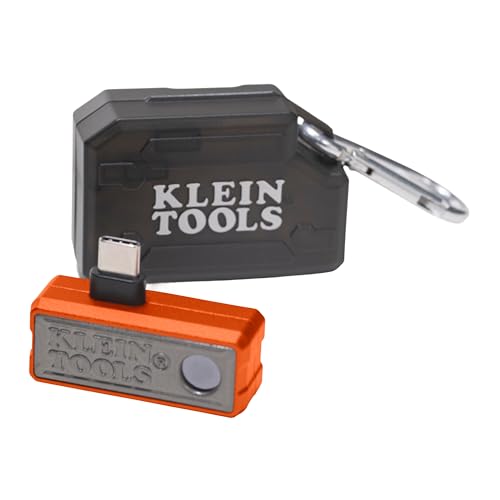
Klein Tools TI223 Mobile Thermal Imaging Camera, Thermal Imager for iOS and Android, 19,200 Pixels, Wide Temperature Range of -4 to 752-Degree Fahrenheit, Professional Infrared Camera
19,200-PIXEL RESOLUTION: High-quality thermal imaging camera delivers excellent resolution for troubleshooting hot and cold spots in electrical and...
As an affiliate, we earn on qualifying purchases.