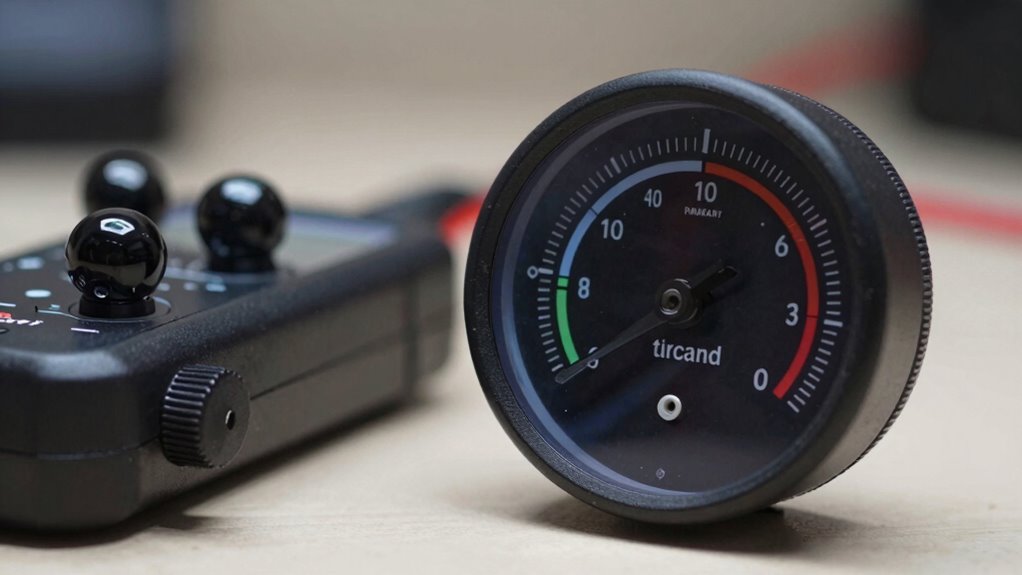

A Tri-Field meter measures electric fields, magnetic fields, and electromagnetic radiation all in one device, giving you a complete view of your environment. Standard EMF meters usually focus on just one type of field, like magnetic or electric, and often target specific frequency ranges. This makes Tri-Field meters ideal for broad assessments, while standard meters are better for targeted troubleshooting. Keep going to discover how each tool fits your needs better.

Get books and cozy reading nights delivered free with Prime
- Fast, free delivery on millions of items
- Prime Video, Amazon Music and more included
- Member-only deals all year
Key Takeaways
- Tri-Field meters measure electric, magnetic, and electromagnetic fields simultaneously, offering a comprehensive electromagnetic environment view.
- Standard EMF meters typically focus on specific fields or frequency ranges, providing targeted measurements.
- Tri-Field meters analyze a broad spectrum of frequencies, enabling detection of diverse electromagnetic sources quickly.
- Standard EMF meters often require mode switching for different measurements, which can be less efficient.
- Choice depends on whether a broad environmental assessment or targeted source detection is needed.

When it comes to measuring electromagnetic fields, understanding the differences between a Tri-Field meter and an EMF meter is essential. Both tools help you assess electromagnetic interference (EMI) in your environment, but they serve different purposes and offer distinct features. A Tri-Field meter is versatile, capable of measuring electric fields, magnetic fields, and electromagnetic radiation with a single device. This makes it ideal if you want an all-encompassing view of the electromagnetic environment around you. On the other hand, a standard EMF meter typically focuses on detecting magnetic fields or electric fields separately, often with more specialized sensitivity.
One of the key distinctions lies in their ability to analyze frequency ranges. Tri-Field meters often feature broad frequency range analysis, allowing you to detect a wide spectrum of electromagnetic radiation, from extremely low frequencies associated with power lines to radiofrequency signals emitted by wireless devices. This broad coverage helps you identify sources of electromagnetic interference that may impact your health or electronic equipment. Standard EMF meters, however, tend to have narrower frequency responses, often optimized for specific ranges such as ELF (extremely low frequency) or RF (radio frequency). If you suspect interference from particular sources, a standard EMF meter can be highly effective, but it might miss signals outside its designed frequency range. Additionally, some Tri-Field meters incorporate broad spectrum analysis, making them suitable for comprehensive environmental assessments. Incorporating frequency range analysis into your toolkit can significantly enhance your understanding of electromagnetic exposure. Moreover, understanding the measurement accuracy of each device helps ensure reliable readings in various environments. Recognizing the importance of calibration can also improve measurement reliability and consistency over time. To obtain precise and trustworthy data, it’s crucial to consider the sensitivity of each device to different electromagnetic signals.
Tri-Field meters detect a wide spectrum of electromagnetic radiation, unlike standard EMF meters with narrower frequency focus.
The active measurement process differs too. A Tri-Field meter provides real-time, multi-dimensional readings, giving you a quick snapshot of the electromagnetic landscape in your vicinity. This makes it easier to pinpoint sources of interference or excessive electromagnetic exposure. Its ability to analyze multiple aspects simultaneously saves you time and effort. Conversely, a standard EMF meter often requires you to switch between modes or devices to measure different types of fields. While this can be more precise for certain applications, it may also slow down your assessment process and complicate data collection.
If you’re concerned about electromagnetic interference affecting your electronic devices or health, choosing the right tool depends on the scope of your investigation. For a broad, all-in-one assessment, a Tri-Field meter offers the advantage of combined measurements and extensive frequency range analysis. For targeted detection or troubleshooting specific sources, a standard EMF meter might be more appropriate. Ultimately, understanding the differences in their measurement capabilities helps you select the device best suited for your needs, ensuring accurate data and effective analysis of your electromagnetic environment.
Tri-Field EMF meter for electromagnetic radiation
As an affiliate, we earn on qualifying purchases.
As an affiliate, we earn on qualifying purchases.
Frequently Asked Questions
Can a Tri-Field Meter Detect Wi-Fi Signals Effectively?
Yes, a Tri-Field meter can detect Wi-Fi signals effectively, especially since it’s designed to measure a range of electromagnetic fields, including those from Wi-Fi. You’ll find it useful for Wi-Fi detection and identifying signal interference. Keep in mind that while it provides good overall EMF readings, it might not pinpoint Wi-Fi signals as precisely as specialized RF meters. Nonetheless, it’s a versatile tool for monitoring electromagnetic environments.
How Do Tri-Field Meters Differ in Price From Standard EMF Meters?
You’ll find that tri-field meters are generally more expensive than standard EMF meters, with a price comparison showing they can cost two to three times as much. When considering cost considerations, think about your specific needs—tri-field meters offer more thorough readings but at a higher price. If you only need basic EMF detection, a standard meter might suffice and save you money.
Are Tri-Field Meters Suitable for Professional Environmental Testing?
Tri-field meters are highly suitable for professional environmental testing, offering unparalleled measurement accuracy that can rival even the most advanced tools. Their ability to detect a broad range of EMF sources helps you assess environmental impact more thorough. If you’re serious about precise data, these meters provide reliable insights, making them a top choice for professionals aiming to understand and mitigate EMF exposure effectively.
What Is the Maintenance Required for These Meters?
To maintain your tri-field or standard EMF meter, you should regularly check the batteries and replace them as needed to guarantee accurate readings. Additionally, perform calibration procedures periodically, following the manufacturer’s guidelines, to keep measurements precise. Keep the device clean and store it in a safe, dry place. Proper maintenance helps extend your meter’s lifespan and guarantees reliable performance during environmental testing.
Do Tri-Field Meters Require Calibration Regularly?
Yes, tri-field meters do require regular calibration to guarantee measurement accuracy. Typically, calibration frequency depends on how often you use the device and the manufacturer’s recommendations. Regular calibration helps maintain precise readings, which is essential for reliably evaluating electromagnetic fields. You should check calibration records periodically and consider professional calibration if measurements seem inconsistent, ensuring your tri-field meter continues to deliver accurate results over time.
Conclusion
In the end, choosing between a Tri-Field meter and a standard EMF meter depends on what you seek to uncover. Think of it like a compass guiding you through unseen forces—each tool has its own path to reveal the mysteries of electromagnetic fields. Remember, the right meter isn’t just about measurement; it’s about understanding the invisible forces shaping your environment. So, trust your instincts and let curiosity lead the way.
Halloween Picks
halloween
As an affiliate, we earn on qualifying purchases.