Residual smells are stubborn odors that cling to surfaces and materials even after you’ve cleaned the area. They occur because odor molecules seep into porous surfaces like carpets, upholstery, and walls, making them hard to remove with regular cleaning alone. These trapped molecules continue releasing scent over time, causing lingering odors. To truly eliminate them, you need to use targeted cleaning agents like activated charcoal, baking soda, or enzymatic solutions. If you want to understand how these odors persist and how to stop them, keep exploring.
Key Takeaways
- Residual smells are persistent odors embedded in porous surfaces that linger after the source is removed.
- Odor molecules seep into materials like carpets and upholstery, making them difficult to eliminate with surface cleaning alone.
- Odor absorption involves molecules embedding into surfaces, where they can be broken down or trapped by neutralizing agents.
- Effective odor removal often requires targeted strategies such as deep cleaning, activated charcoal, baking soda, or enzymatic cleaners.
- Understanding how odors persist helps in selecting appropriate cleaning methods and preventing future scent absorption.

Residual smells are stubborn odors that linger long after the source has been removed, often impacting the comfort of your space. These lingering scents are a common frustration because they seem to defy cleaning efforts, making you wonder why the smell persists even after you’ve aired out the room or washed the fabric. The reason lies in the way odor molecules behave; they don’t simply vanish once the offending item is gone. Instead, they often seep into surfaces and materials, creating a phenomenon known as scent persistence. This persistence is driven by the process of odor absorption, where molecules from the odor become embedded in porous materials like upholstery, carpets, curtains, or even drywall. The porous nature of these surfaces allows odor molecules to settle deep within, making them difficult to remove through surface cleaning alone.
When it comes to odor absorption, it’s essential to understand that not all cleaning methods are equally effective. Regular vacuuming, for instance, might remove surface dirt but may do little to eliminate embedded odors. That’s because scents can infiltrate fibers and penetrate into hidden layers, where they continue to release molecules into the air over time. This ongoing release is what contributes to scent persistence, giving the impression that the smell is “stuck” in your environment. As a result, even after multiple cleanings, you might still notice a faint but unpleasant odor lingering in the background. The key to combating this is using targeted odor absorption techniques, such as employing odor-neutralizing agents or deep-cleaning methods that reach into porous surfaces. Activated charcoal, baking soda, and enzymatic cleaners are popular options because they work by trapping or breaking down odor molecules, preventing them from escaping and causing scent persistence.
You should also be aware that scent persistence can occur with a variety of odors—whether it’s pet smells, smoke residues, or spoiled food. Each scenario might require a different approach to effectively neutralize the residual smells. Air purifiers with activated carbon filters can help by adsorbing odor molecules suspended in the air, but they may not fully resolve odors embedded in surfaces. That’s why a combination of cleaning strategies is often necessary. In summary, understanding how odor absorption works and recognizing the causes of scent persistence can help you choose the right tools and methods to finally eliminate those stubborn residual smells, restoring freshness to your space. Additionally, choosing materials with low porosity can reduce the likelihood of odor absorption in future cleaning efforts.

Tellegloww Ghost Hunting Equipment Paranormal Equipment for Ghost Hunting Digital EVP Voice Activated Recorder Rechargeable Recorder Device with Microphone, 8GB(Purple)
Compact and Portable Design: as a paranormal ghost hunting equipment, length approx. 3.5 inches/8.9 cm, this digital voice...
As an affiliate, we earn on qualifying purchases.
Frequently Asked Questions
Can Residual Smells Cause Health Issues?
Residual smells can cause health issues because airborne particles from odor absorption may irritate your respiratory system or trigger allergies. When you breathe in lingering odors, you’re inhaling particles that can settle in your lungs or sinuses, especially if you’re sensitive. It’s important to address persistent smells promptly, ventilate your space, and clean thoroughly to minimize these potential health risks and improve indoor air quality.
How Long Do Residual Smells Typically Last?
Residual smells can linger like an unwelcome guest, lasting anywhere from a few hours to several weeks, depending on the odor’s strength and source. Odor persistence varies, but smell dissipation generally occurs faster with proper ventilation, cleaning, or odor absorbers. You might notice that strong, embedded smells take longer to dissipate, while lighter, surface-level odors fade more quickly. Keep air flowing to speed up the process.
Are Certain Materials More Prone to Retaining Smells?
Yes, certain materials are more prone to retaining smells because of their material retention and odor absorption properties. Porous surfaces like fabric, upholstery, and carpets tend to trap odors more than non-porous surfaces like glass or metal. You should pay extra attention to cleaning or airing out these materials thoroughly, as they can hold onto smells longer and make residual odors more noticeable over time.
Can Residual Smells Be Completely Eliminated?
Residual smells can be tough, like stubborn shadows that cling even after the light’s gone. While total odor persistence is rare, you can considerably reduce or eliminate lingering scents with effective smell removal techniques. Deep cleaning, airing out the space, and using odor absorbers like charcoal or baking soda can help. Remember, it’s about breaking the scent’s hold—sometimes, a little patience and the right approach are all you need.
Do Residual Smells Affect Indoor Air Quality?
Residual smells can affect indoor air quality because airborne particles from lingering odors can linger in the air, impacting your breathing and comfort. Odor absorption by surfaces or materials traps these particles, making smells persist even after cleaning. This ongoing presence of airborne particles can contribute to reduced air quality, especially if not properly ventilated or addressed, so it is crucial to thoroughly clean and ventilate to improve your indoor environment.

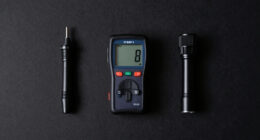
Grinsvalley 7 in 1 Ghost Hunting Equipment Kit Include 1 EMF Meter 1 Hand Held Radio 2 LED Light Cat Ball 1 Digital EVP Voice Recorder 2 Dowsing Rods Ghost Investigation Paranormal Equipment
Ghost Hunting Equipment Kit: the package includes 1 EMF meter, 1 hand held radio, 2 LED light cat...
As an affiliate, we earn on qualifying purchases.
Conclusion
So, next time you notice a lingering odor, remember it’s more than just a nuisance—it’s an olfactory phenomenon. These residual smells can reveal hidden stories in your environment, waiting to be uncovered. Isn’t it intriguing how our sense of smell holds so much power and mystery? By understanding residual odors, you gain a better grip on your surroundings. After all, what’s more fascinating than unraveling the secrets your nose can tell?

Grinsvalley 6 Pcs Ghost Hunting Equipment Kit Ghost Hunting Box 1 Emf Meter 1 Digital Voice Recorder 2 LED Balls 1 Speaker Paranormal Equipment Tools for Paranormal Investigation, EVP Sessions
Comprehensive Set: the ghost hunting equipment kit includes 1 ghost hunting box, 2 motion light up cat balls,...
As an affiliate, we earn on qualifying purchases.

Dunzy 4 Pcs Ghost Hunting Equipment Kit Include 1 EVP Voice Recorder 8 Gb 1 UV Flashlight 2 LED Light up Cat Balls Ghost Investigation Paranormal Equipment for Home Outdoor Inspection(Black,Classic)
A Comprehensive Package: the comprehensive ghost hunting equipment kit comprises of 1 pcs voice recorder, 2 pcs cat...
As an affiliate, we earn on qualifying purchases.