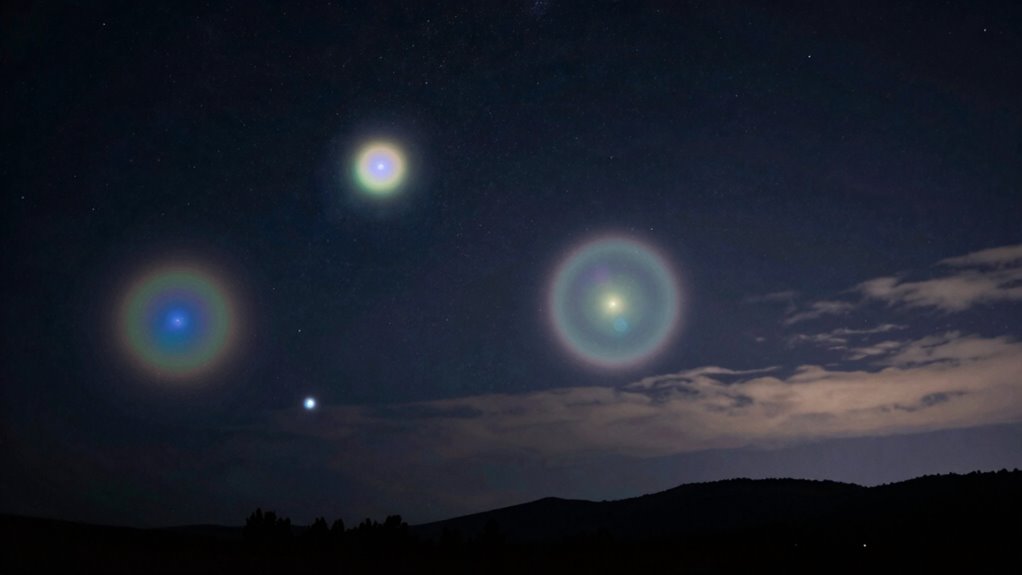

When investigators talk about light anomalies, they refer to unusual luminous phenomena that can appear suddenly, flicker unexpectedly, or shift unpredictably. They aim to determine whether these lights are caused by natural factors like atmospheric conditions, reflections, or electrical disturbances, or if something more mysterious is involved. Understanding these factors helps them avoid misinterpretations. If you want to uncover how they analyze and differentiate these phenomena, there’s more to explore below.

Get books and cozy reading nights delivered free — and shop member deals
- Fast, free delivery on millions of items
- Access to Prime Big Deal Days deals on October 6–7
- Prime Video, Amazon Music and more included
Key Takeaways
- Light anomalies are unusual visual phenomena that appear unexpectedly and are often linked to unexplained or mysterious events.
- Investigators consider light anomalies as signals worth analyzing for potential natural or environmental causes.
- They differentiate genuine anomalies from optical illusions caused by atmospheric or environmental factors.
- Scientific analysis is crucial to determine whether light anomalies result from natural phenomena or require further investigation.
- Recognizing the influence of refraction, reflection, and electrical disturbances helps investigators interpret light anomalies accurately.
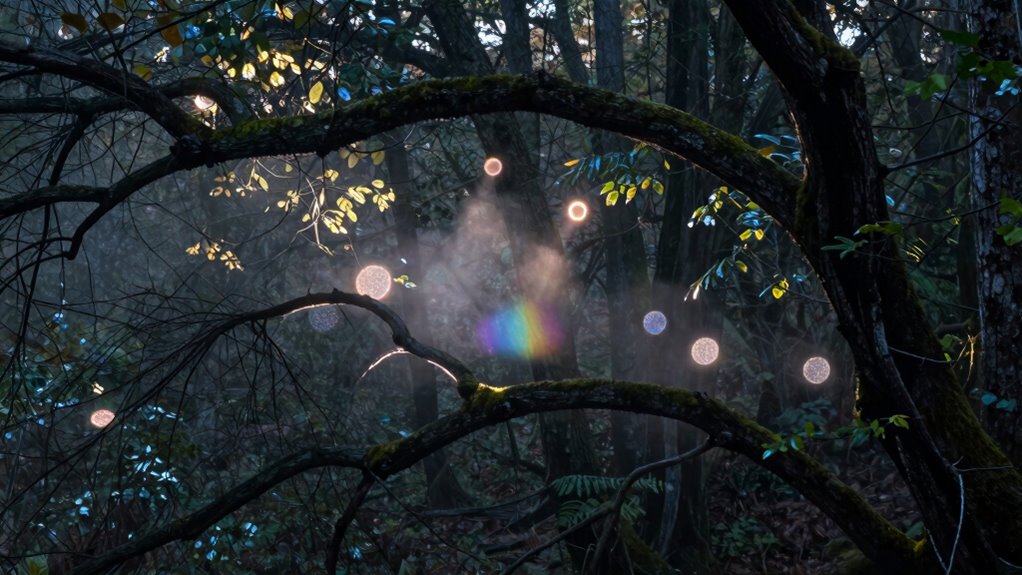
When investigators explore unexplained phenomena, light anomalies often become key clues that challenge conventional understanding. These unusual lights can appear suddenly, flicker unexpectedly, or shift in ways that seem to defy natural explanations. To the untrained eye, they might look like simple optical illusions, but for investigators, these lights can signal something more mysterious or significant. Sometimes, what appears to be a strange glow is simply a trick of perspective, an optical illusion caused by the way our brains interpret visual information. Other times, environmental factors like atmospheric conditions, reflections, or electrical interference distort the light, creating illusions that seem inexplicable at first glance.
Understanding what light anomalies truly are requires careful analysis. For example, a bright flash in the sky might be mistaken for a UFO, but it could be a natural optical illusion caused by the refraction of light through clouds or atmospheric particles. Similarly, a persistent glowing object seen near the horizon might result from reflections off water or glass, rather than anything extraordinary. Investigators know that environmental factors often mimic the appearance of genuine anomalies, so they scrutinize these details to determine whether the lights are natural phenomena or something more unusual. Recognizing how optical illusions and environmental influences can simulate mysterious lights is crucial for accurate interpretation.
In many cases, light anomalies are influenced by environmental factors that are easy to overlook. Changes in weather, such as fog, rain, or humidity, can bend or scatter light in unpredictable ways, creating illusions that appear strange or otherworldly. Electrical disturbances, like power surges or malfunctioning streetlights, can produce flickering or pulsating lights that seem mysterious but are actually the result of technical issues. Investigators also consider human perception—our eyes and brains are prone to misinterpretations, especially in low-light conditions or when viewing unfamiliar sights. These factors contribute to the complexity of understanding light anomalies and highlight why thorough investigation is essential. Additionally, understanding the physical properties of light and how they interact with different environments can help clarify many of these phenomena. Being aware of the environmental conditions that influence light behavior allows investigators to better differentiate between natural and artificial causes, ultimately leading to more accurate conclusions. As you explore these phenomena, you learn that many light anomalies are not as mysterious as they seem. Instead, they are often the result of optical illusions or environmental factors that can be explained with careful observation and scientific analysis. In fact, scientific explanations are essential for separating genuine anomalies from misinterpretations. Recognizing these influences helps you avoid jumping to conclusions based on first impressions. For example, understanding how atmospheric effects can distort light helps clarify many apparent anomalies. Instead, you approach each sighting with a critical eye, seeking to identify natural causes before attributing the lights to something extraordinary. This balanced approach ensures that investigations remain grounded in reality, even when faced with seemingly inexplicable lights. Ultimately, understanding the true nature of light anomalies requires patience, meticulous investigation, and an awareness of how optical illusions and environmental factors can shape what you see.
light anomaly detection flashlight
As an affiliate, we earn on qualifying purchases.
As an affiliate, we earn on qualifying purchases.
Frequently Asked Questions
Can Light Anomalies Be Caused by Natural Phenomena?
Yes, light anomalies can be caused by natural phenomena like atmospheric distortions and celestial events. Atmospheric distortions, such as lensing or mirages, bend light and create unusual visuals. Celestial events like meteor showers, auroras, or solar flares produce extraordinary light displays that might seem anomalous. These natural causes can often be mistaken for unexplained phenomena, but understanding them helps you differentiate between natural light effects and potential anomalies.
What Equipment Is Best for Detecting Light Anomalies?
Did you know that advanced cameras with high sensor sensitivities can detect even faint light anomalies? To effectively detect these phenomena, use photographic techniques like long-exposure shots and infrared imaging. DSLR cameras with low noise levels and night-vision equipment are ideal because they capture subtle light variations. Combining these tools allows you to pinpoint anomalies that might otherwise go unnoticed, enhancing your chances of uncovering mysterious light phenomena.
Are Light Anomalies Always Related to Paranormal Activity?
Light anomalies aren’t always linked to paranormal activity; they can have various explanations. Historically, different cultures interpret unusual lights in the sky or around objects as spiritual signs or divine messages. Modern investigations consider natural causes like atmospheric conditions, electrical interference, or camera artifacts. So, while some see light anomalies as evidence of the supernatural, many are explainable through scientific or cultural contexts, making it essential to analyze each case carefully.
How Do Investigators Differentiate Between Genuine and False Anomalies?
You can differentiate genuine from false anomalies by carefully analyzing psychological perception and photographic artifacts. Investigators look for consistency across multiple sensors and recordings, discounting visual illusions or distractions. They scrutinize images for photographic artifacts, like lens flares or reflections, that mimic anomalies. By cross-referencing data and understanding how perception can be influenced, they distinguish authentic phenomena from false positives, ensuring their conclusions are based on solid evidence rather than misinterpretations.
Can Light Anomalies Be Explained by Technological Interference?
Yes, light anomalies can often be explained by technological interference. Imagine a drone flying near a camera, creating a bright, shifting light that looks like a UFO. This is similar to quantum illusions or optical illusions, where our perception is tricked by external factors. Investigators must consider these technological sources first, as they can easily mimic genuine anomalies, helping distinguish between real phenomena and false signals.
Conclusion
Imagine you’re gazing up at the night sky, spotting a strange flicker of light that doesn’t fit any pattern you know. That’s what investigators call a light anomaly—a mysterious, unexplained glow that sparks curiosity and wonder. Just like that fleeting flash can challenge what you think is normal, these anomalies push scientists to explore the unknown. Keep watching the skies—you never know when the next strange light might reveal a new story waiting to be uncovered.
Fall Picks
fall essentials
As an affiliate, we earn on qualifying purchases.