
If you experience strange noises, shadows, or feelings of chills, it might not be ghosts—carbon monoxide poisoning can cause vivid hallucinations and sensory distortions that make a space feel haunted. This toxic gas interferes with your brain, leading to confusion, paranoia, and hallucinations that mimic paranormal activity. Recognizing these signs is vital, as they often occur quickly and can be life-threatening. Stay with us to find out how to identify and prevent this hidden danger.

Get books and cozy reading nights delivered free — and shop member deals
- Fast, free delivery on millions of items
- Access to Prime Big Deal Days deals on October 6–7
- Prime Video, Amazon Music and more included
Key Takeaways
- Elevated carbon monoxide levels can cause vivid hallucinations of shadows, footsteps, and whispers, resembling paranormal activity.
- Sensory distortions like chills and strange odors may be mistaken for ghostly phenomena.
- CO poisoning affects brain function, leading to confusion and paranoia that mimic haunting experiences.
- Rapid onset of symptoms can cause individuals to perceive supernatural signs before realizing it’s poisoning.
- Recognizing hallucinations and physical symptoms helps differentiate between a genuine haunting and carbon monoxide exposure.
Whenever you experience strange noises, lingering odors, or unexplained sensations in your home, it might feel like ghostly activity is at play. But sometimes, what you’re actually dealing with is a silent intruder: carbon monoxide. This colorless, odorless gas can mimic the signs of a haunting, making it hard to distinguish between supernatural phenomena and a serious health threat. When you’re exposed to elevated levels of carbon monoxide, your mind can become confused, and your senses can deceive you, leading to sensory hallucinations. You might hear footsteps, see fleeting shadows, or feel sudden chills—all common indicators of paranormal activity but also symptoms of carbon monoxide poisoning.
Unexplained noises and shadows may be signs of carbon monoxide poisoning, not supernatural activity—stay alert and seek help immediately.
The psychological effects of carbon monoxide exposure are profound. As the gas interferes with how your brain functions, you can start feeling anxious, paranoid, or disoriented. These mental states heighten your susceptibility to hallucinations, causing you to perceive things that aren’t really there. You might think your home is haunted because your mind is trying to make sense of the strange sensations and sounds that are actually caused by the gas. This confusion can escalate quickly, making it even more difficult to identify the real cause of your distress. The more you try to rationalize the strange phenomena, the more your perception can distort, reinforcing a belief in supernatural activity when the culprit is a toxic, invisible threat.
Sensory hallucinations are a hallmark of carbon monoxide poisoning, often leading people to believe they’re experiencing supernatural encounters. These hallucinations aren’t just visual; they can also include auditory and tactile sensations. You might hear voices or footsteps, feel someone touch your shoulder, or see shadows dart across the room. Because these experiences are so vivid, you might be convinced your house is haunted, especially if you’re unaware of the gas’s presence. It’s important to recognize that these symptoms can occur rapidly and can be life-threatening if not addressed promptly. The hallucinations serve as a dangerous warning sign—your body and brain are reacting to the poison, not to any supernatural entity. Additionally, the rapid onset of symptoms can make it difficult to realize the danger in time. Recognizing the signs of poisoning can be lifesaving in such situations.
Furthermore, understanding the effects of carbon monoxide on mental health can help you better identify the danger early. Recognizing that carbon monoxide can produce these ghostly illusions is crucial. If you notice unexplained phenomena combined with symptoms like headaches, dizziness, nausea, or confusion, you should get fresh air immediately and seek medical attention. Being aware of the potential for hallucinations caused by the gas can help prevent misdiagnosis and unnecessary panic. Identifying and fixing the source of the gas can prevent tragic consequences. What seems like a haunting might just be a dangerous gas trying to warn you. Staying alert to these signs can save your life and help you clear up the confusion between supernatural fears and real, physical danger. Recognizing the symptoms of poisoning can be lifesaving in such situations.
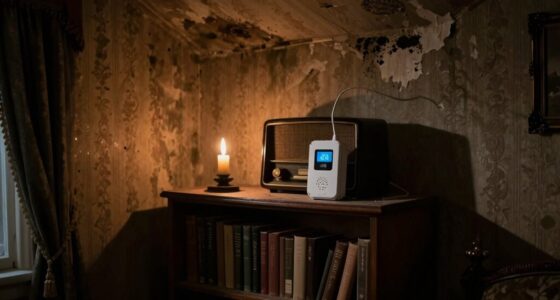
carbon monoxide detector with digital display
As an affiliate, we earn on qualifying purchases.
As an affiliate, we earn on qualifying purchases.
Frequently Asked Questions
Can Carbon Monoxide Poisoning Cause Hallucinations?
Yes, carbon monoxide poisoning can cause hallucinations, which might feel like haunting illusions. The psychological effects of CO exposure include confusion, dizziness, and visual or auditory hallucinations. You might perceive things that aren’t real, similar to spirits or ghosts. These hallucinations result from the brain’s response to a lack of oxygen caused by CO. If you suspect poisoning, seek immediate medical help to prevent serious health consequences.
How Quickly Can CO Exposure Affect Mental Health?
You might think mental health impacts from CO exposure take time, but symptoms can appear within hours, especially with poor indoor air quality. Elevated CO levels quickly interfere with brain function, causing confusion, anxiety, or hallucinations. If you suspect CO exposure, don’t wait—your mental health can be affected rapidly. Protect yourself by ensuring good ventilation and installing detectors, because swift action can prevent serious, lasting mental health issues.
Are Certain Homes More Vulnerable to CO Buildup?
Yes, certain homes are more vulnerable to CO buildup. Poor insulation can trap gases, preventing proper airflow, while inadequate or malfunctioning ventilation systems fail to disperse CO effectively. Older homes with outdated heating systems or sealed windows and doors are especially at risk. To reduce danger, make sure your home has proper insulation and a well-maintained ventilation system, and consider installing CO detectors to alert you early of any dangerous buildup.
What Are Early Signs of Carbon Monoxide Poisoning?
Think of your body as a delicate balance scale, easily tipped by unseen dangers. Early signs of carbon monoxide poisoning include headaches, dizziness, weakness, nausea, and confusion. You might also experience shortness of breath or chest pain. To catch these symptoms early, make sure proper indoor ventilation and install carbon monoxide detectors. These detectors act like vigilant guards, warning you before danger becomes deadly, keeping your home safe and your health intact.
How Can I Prevent CO From Mimicking a Haunting?
To prevent CO from mimicking a haunting, you should install detection devices like carbon monoxide alarms throughout your home, especially near sleeping areas. Regularly check and maintain your heating systems and appliances to guarantee they vent properly. Practice good ventilation by opening windows and using exhaust fans, especially during cooking or heating. These steps help you detect CO early and keep your living environment safe from dangerous buildup.
Conclusion
As you step back from the shadows of uncertainty, remember that what might seem like a ghostly visit could simply be nature’s quiet whispering. Carbon monoxide, subtle and unseen, gently weaves its silent tale through the air. Like a fleeting mist, it dances just beyond reach, reminding you to listen closely to your body’s quiet warnings. Sometimes, the most haunting things are those we can’t see—until it’s too late. Stay vigilant, and breathe safe.
Fall Picks
fall essentials
As an affiliate, we earn on qualifying purchases.