You should check if the source seems unreliable, such as lacking transparency or having a history of spreading false information. When details conflict with trusted sources or seem too good or bad to be true, it’s time to verify further. Strong emotional reactions can also cloud judgment, so pause and fact-check. Recognize that early reports often lack complete facts. Continuing onward will help you build better judgment about when to seek additional verification.

Get books and cozy reading nights delivered free with Prime
- Fast, free delivery on millions of items
- Prime Video, Amazon Music and more included
- Member-only deals all year
Key Takeaways
- When the source lacks transparency or has a history of misinformation.
- If the story contains sensational claims or evokes strong emotional reactions.
- When details conflict with trusted sources or official statements.
- In cases of unverified evidence, anonymous tips, or social media-only reports.
- During rapid news cycles with emerging or incomplete information.
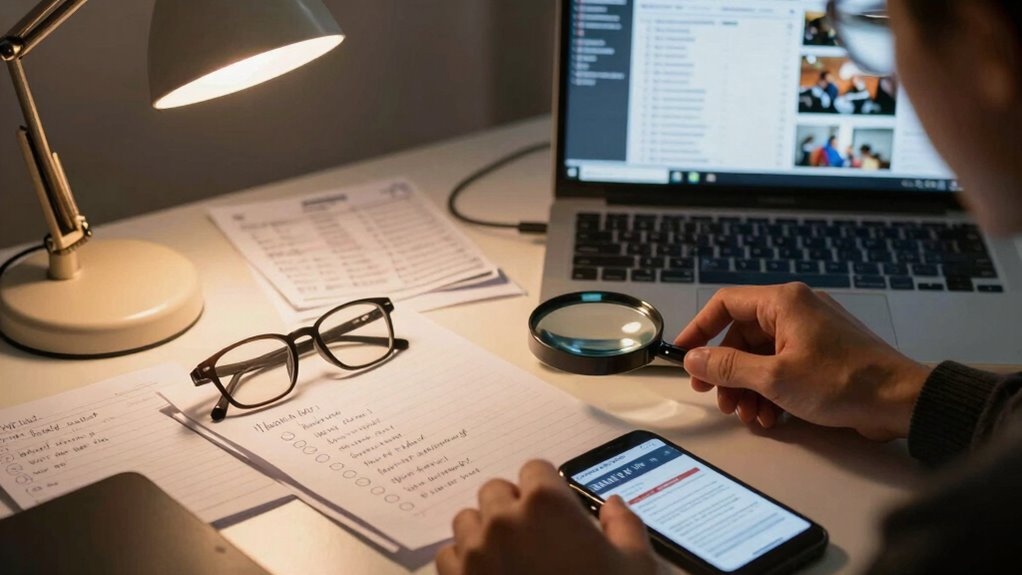
How do you know when a story needs more verification? It’s not always obvious at first glance, but there are clear signs that you should dig deeper. One of the biggest indicators is questionable source credibility. When the source providing information lacks transparency, has a history of misinformation, or cannot be verified through independent channels, it’s a red flag. If you’re relying on anonymous tips, social media posts without backing evidence, or sources with known biases, you should question the reliability of the information. Ensuring source credibility isn’t just about trusting the person or platform; it’s about assessing whether their claims are supported by solid evidence and whether they have a reputation for accuracy.
Questionable sources signal the need for deeper verification and fact-checking before trusting or sharing information.
Once you identify a potentially unreliable source, it’s essential to follow fact checking protocols before moving forward. These protocols serve as a structured approach to verify facts and prevent the spread of misinformation. This often involves cross-referencing the information with reputable publications, official statements, or primary sources. If the story involves statistics or data, check if they align with recent reports from credible organizations. When the details seem inconsistent or unsubstantiated, it’s a sign that additional verification is necessary. Remember, a story that lacks corroboration from multiple independent sources warrants a closer look. Verifying information helps ensure that the facts are accurate and reliable. Recognizing disinformation early on can make a significant difference in maintaining trustworthiness.
You should also consider the context and timing of the story. Sometimes, early reports contain inaccuracies because new information is still emerging. If the story seems sensational or too good (or bad) to be true, it’s worth pausing and verifying before sharing further. Headlines that evoke strong emotional reactions often signal the need for extra scrutiny. If the information contradicts what you already know from trusted sources or official channels, that’s an indication to pause and verify rather than accept at face value. Additionally, understanding information literacy can help you better evaluate the credibility of sources and claims. Being aware of misinformation spread tactics can provide insight into whether a story is intentionally misleading or simply inaccurate.
In essence, you determine that a story needs more verification when source credibility is questionable, and the information doesn’t align with established facts or verified evidence. Following fact checking protocols helps you systematically evaluate the truthfulness of the story. It’s about being responsible and diligent, especially in a digital age where misinformation can spread rapidly and the risk of spreading falsehoods increases. The more you practice these steps, the better you become at recognizing when a story needs additional scrutiny. By doing so, you protect yourself from spreading false information and contribute to a more accurate, trustworthy flow of news.
As an affiliate, we earn on qualifying purchases.
Frequently Asked Questions
How Do Editors Determine the Threshold for Additional Verification?
You determine the threshold for additional verification by evaluating source credibility and conducting bias assessments. If a source lacks verifiable credentials or has a history of inaccuracies, you push for more confirmation. You also consider potential bias that might influence the information’s objectivity. When details seem questionable or inconsistent, you seek multiple independent sources to guarantee accuracy, maintaining high standards for trustworthy reporting.
What Tools or Methods Are Most Effective for Fact-Checking?
You should prioritize digital verification tools like reverse image searches and fact-checking websites for quick fact validation. Source evaluation is vital; always assess credibility, authorship, and bias of your sources. Combining these methods helps guarantee accuracy, especially when verifying online information. Use fact-checking platforms to cross-reference claims, and rely on reputable sources to confirm facts. This approach keeps your story accurate and trustworthy.
How Does Time Pressure Influence Verification Decisions?
Time pressure tends to push you toward quick, less thorough verification, often causing decision fatigue. When deadlines loom, you might shortcut fact-checking, risking inaccuracies. The ticking clock tempts you to skip steps, relying on assumptions instead of solid evidence. This hurried, hectic environment hinders careful judgment, making it harder to determine whether more verification is needed. Ultimately, tight timelines challenge your ability to verify thoroughly, increasing the chance of overlooking essential details.
Who Is Responsible for Verifying Information Before Publication?
You’re responsible for verifying information before publication. You need to assess source credibility thoroughly, guaranteeing the sources are reliable and accurate. It’s also important to identify and mitigate bias, so you present a balanced perspective. By actively checking facts and questioning assumptions, you help maintain journalistic integrity. Ultimately, your diligence in verification protects your publication’s reputation and ensures your audience receives trustworthy, well-vetted information.
How Are Conflicting Sources Reconciled During Verification?
When reconciling conflicting sources, you assess each source’s credibility and check for bias mitigation. You compare the evidence provided, prioritize reputable, well-established sources, and look for corroboration from additional reliable outlets. If conflicts remain, you seek expert opinions or official statements. This process guarantees you present a balanced, accurate story, minimizing bias and reinforcing the integrity of your reporting.
Conclusion
Sometimes, it’s those small, unexpected moments—like a stranger’s kind word or a forgotten note—that remind you to pause and verify. When a story feels too good to be true, trust that instinct. Coincidences happen for a reason, nudging you to dig deeper. In a world full of surprises, it’s the quiet, unplanned signals that save you from rushing to judgment, ensuring your stories hold true amid the chaos.
Fall Picks
fall essentials
As an affiliate, we earn on qualifying purchases.