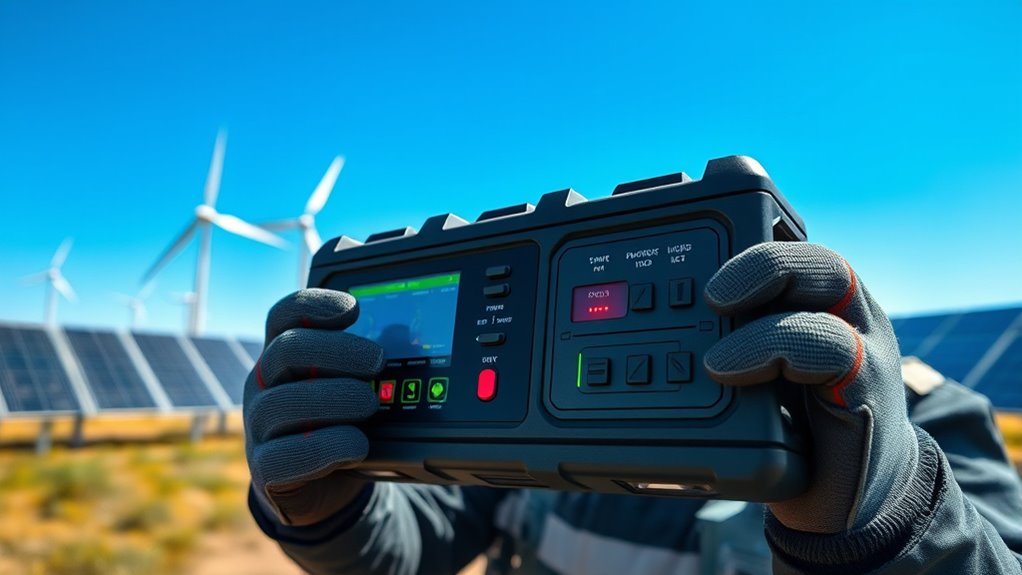
To manage batteries in the field effectively, start by performing regular diagnostics using portable tools to check voltage, internal resistance, and capacity. Maintain proper charging protocols and avoid overcharging or deep discharges. Keep batteries within ideal temperature ranges and use environmental controls like insulation or cooling. Keep detailed records to track performance trends and schedule proactive maintenance. If you want practical steps to improve your battery management approach, continue exploring these essential strategies.
Key Takeaways
- Conduct regular on-site diagnostics to assess voltage, internal resistance, and capacity of batteries.
- Use portable tools to identify weak or failing cells early and perform balancing or replacements as needed.
- Implement proper charging protocols with smart chargers to optimize battery lifespan and prevent over/undercharging.
- Maintain optimal temperature conditions through insulation or cooling systems to reduce thermal stress and degradation.
- Keep detailed records of diagnostics, maintenance, and power usage to track trends and schedule proactive interventions.
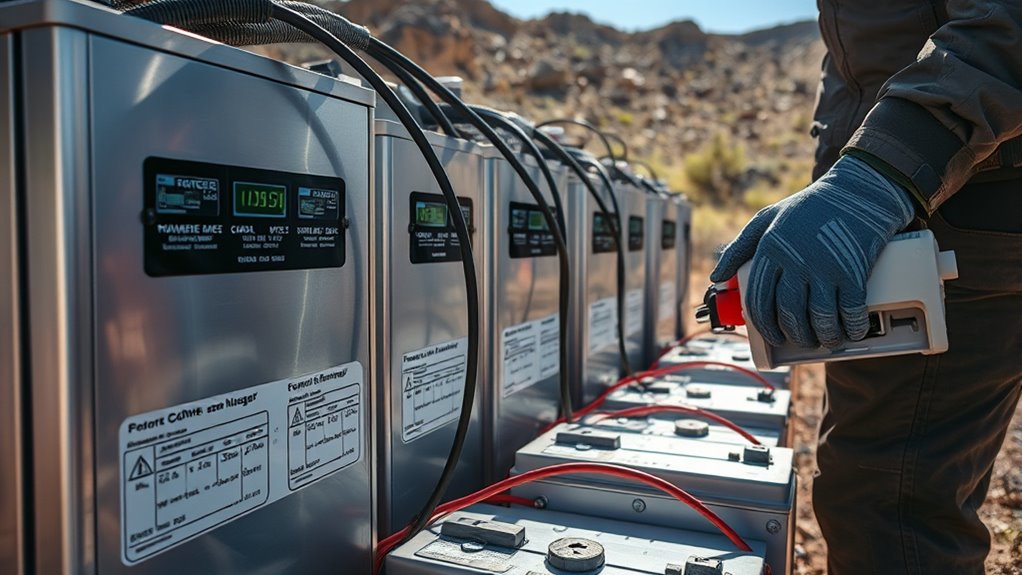
Have you ever wondered how to keep your batteries performing reliably in the field? It all begins with proper battery management, which hinges on effective battery diagnostics and consistent power optimization. When you understand the health of your batteries through diagnostics, you can prevent unexpected failures and extend their lifespan. Regularly conducting battery diagnostics involves checking voltage levels, internal resistance, and capacity. These measurements tell you whether your batteries are maintaining their charge or if they’re deteriorating. Using portable diagnostic tools allows you to perform these checks on-site quickly, giving you real-time insights without needing to send batteries back to the lab. By identifying weak or failing cells early, you can take corrective measures—like balancing cells or replacing compromised units—before they cause operational issues. Incorporating accurate diagnostics ensures you have reliable data to base your decisions on. Power optimization is equally essential. Once you’ve assessed your batteries’ health, you can focus on maximizing their efficiency. This involves implementing proper charging protocols, avoiding overcharging or deep discharges that strain the cells. Using smart chargers that adapt to the battery’s condition can markedly improve longevity and performance. Additionally, managing your load effectively ensures your batteries aren’t overstressed, which helps in maintaining consistent power output. For example, spreading out power demands or scheduling high-energy tasks during times when the batteries are fully charged can keep your system running smoothly. Temperature management also plays a key role in power optimization. Batteries perform best within specific temperature ranges; consequently, using insulation, cooling systems, or heaters as needed can prevent thermal stress that accelerates degradation. Keeping detailed records of diagnostics and power management practices enables you to track trends and predict potential issues before they happen. This proactive approach allows you to schedule maintenance or replacements efficiently, minimizing downtime. Combining battery diagnostics with strategic power optimization creates a cycle of continual improvement, ensuring your batteries remain reliable under field conditions. Remember, the key is consistency—regular checks and disciplined power management are your best tools for preserving battery life and performance. By staying vigilant and using the right tools, you’ll be able to maximize your batteries’ capacity, reduce unexpected failures, and keep your operations running smoothly, no matter where you’re working. Proper management isn’t just about fixing problems when they arise; it’s about preventing them through informed, deliberate actions that keep your power systems robust and dependable.

BluSon YM319 OBD2 Scanner Diagnostic Tool with Battery Tester, Check Engine Fault Code Reader with Live Data, Cloud Printing, DTC Lookup, Freeze Frame, Scan Tool for All OBDII Protocol Cars Since 1996
Your Car's Personal Doctor: Say Goodbye to Check Engine Light Troubles! The YM319 OBD2 scanner swiftly reads and…
As an affiliate, we earn on qualifying purchases.
As an affiliate, we earn on qualifying purchases.
Frequently Asked Questions
How Can I Optimize Battery Lifespan in Extreme Temperatures?
To optimize your battery lifespan in extreme temperatures, focus on thermal regulation and storage best practices. Keep batteries within recommended temperature ranges by using insulating materials or cooling/heating systems as needed. Store batteries in cool, dry places when not in use, and avoid exposing them to direct sunlight or freezing conditions. Proper thermal management and storage help prevent capacity loss and extend your battery’s overall life in harsh environments.
What Tools Are Essential for On-The-Go Battery Diagnostics?
Think of your tools as your battery’s lifeline in the wild. Portable testers are your trusty magnifying glasses, revealing the hidden health of your cells. Diagnostic apps act as your digital compass, guiding you through performance insights. Together, they help you swiftly identify issues, ensuring your battery stays strong. Keep these essentials handy, and you’ll conquer field challenges with confidence, turning potential failures into opportunities for quick fixes.
How Do I Safely Dispose of Damaged Batteries in the Field?
To safely dispose of damaged batteries in the field, you should first handle them with protective gloves and avoid puncturing or damaging the casing. Then, place the battery in a designated hazardous waste container, following local regulations for battery recycling. Never throw damaged batteries in regular trash, as they pose environmental and safety risks. Proper disposal guarantees safe battery recycling and prevents hazardous waste from harming people or the environment.
What Are the Signs of Impending Battery Failure During Operation?
You’ll notice signs of impending battery failure during operation, such as battery corrosion around terminals and voltage fluctuations. Corrosion indicates internal damage or leakage, while voltage drops can signal weakened cell performance. If you observe these signs, it’s vital to take immediate action, like shutting down equipment and inspecting the battery. Prompt response prevents further damage, guarantees safety, and maintains operational continuity.
How Can I Improve Charging Efficiency in Remote Locations?
Oh, surely you’ve mastered the art of charging in paradise. To boost efficiency in remote spots, prioritize solar optimization—position panels for maximum sunlight and keep them clean. Embrace power conservation by turning off unused devices and using energy-efficient equipment. These simple tricks make certain your batteries stay happy longer, making you look like a tech-savvy hero, all while harnessing the sun’s power and conserving precious energy.

Intelligent Charger, Snado LCD Display Universal Smart Charger for Rechargeable Batteries Li-ion Batteries 18650 18490 18350 17670 17500 16340 14500, Ni-MH/Ni-Cd A AA AAA Battery (2 Slots)
【Smart Charging Technology】Features advanced voltage regulation technology to optimize charging efficiency, paired with an intelligent power management system
As an affiliate, we earn on qualifying purchases.
As an affiliate, we earn on qualifying purchases.
Conclusion
Mastering battery management in the field means you stay connected, reliable, and prepared. It’s easy to overlook small steps, but neglecting them can leave you stranded when you need power most. Think of the difference it makes—your equipment, your safety, your confidence. Proper care isn’t just about prolonging battery life; it’s about ensuring you’re never left in the dark. Take control now, so you’re ready for whatever challenges come your way.
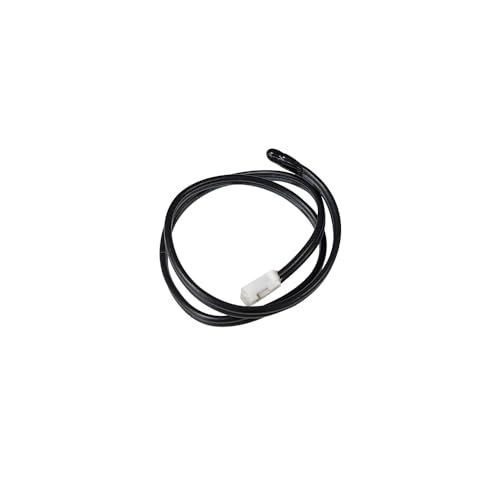
100BALANCE Temperature Sensor NTC for Smart Active Balance BMS
This is the separate parts, use it with 100balance smart BMS or smart active balancer.
As an affiliate, we earn on qualifying purchases.
As an affiliate, we earn on qualifying purchases.
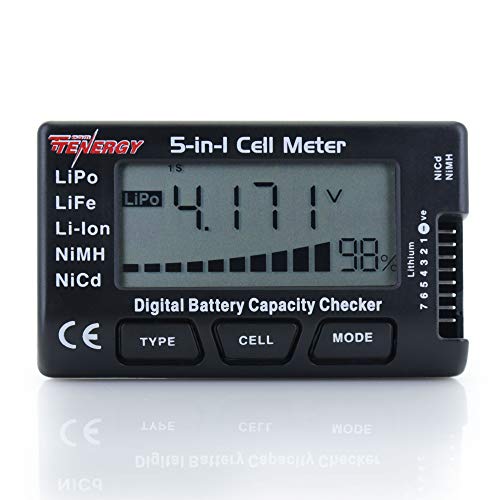
Tenergy 5-in-1 Battery Meter, Intelligent Cell Meter Digital Battery Checker/Balancer for LiPo / LiFePO4 / Li-ion/NiCd/NiMH Battery Packs
Multi-purpose battery meter – The Tenergy 5-in-1 cell meter estimate voltages for LiPo/LiFePO4/Li-ion (2-7 cells) packs and NiCd…
As an affiliate, we earn on qualifying purchases.
As an affiliate, we earn on qualifying purchases.