
Cursed tombs originate from ancient beliefs that disturbing sacred burial sites invites divine punishment or misfortune. Cultures created rituals, protective symbols, and warnings to respect the dead and prevent curses. These stories often serve to deter tomb robbers and preserve spiritual reverence. The myth persists today, fueled by mysterious effects experienced by explorers and the sacred nature of these sites. Exploring further reveals how these traditions reflect ancient fears and spiritual values that still fascinate us now.
Key Takeaways
- Tomb curses originate from ancient beliefs that disturbing sacred burial sites invokes divine punishment or spiritual retribution.
- Protective rituals and inscriptions aimed to safeguard the deceased and deter trespassers, reinforcing the sacredness of tombs.
- Cultural stories of curses often exaggerate fears to discourage grave robbery and preserve burial traditions.
- Modern perceptions link tomb curses to psychological, biological, or structural hazards, blending myth and scientific explanations.
- Archaeological findings reveal the spiritual importance of burial sites and reflect ancient societies’ reverence and fears surrounding death.

Have you ever wondered why some ancient tombs are considered cursed? The idea of curses surrounding tombs has fascinated people for centuries, often fueled by stories of misfortune, mysterious deaths, or supposed supernatural retribution. These tales usually stem from ancient curses, believed to be divine punishments placed on those who disturb the dead. Such beliefs tie closely to the burial rituals of ancient civilizations, where honoring the dead and protecting their resting places were of utmost importance. In many cultures, tombs were more than mere burial sites—they were sacred spaces, believed to house the spirits of the deceased and serve as a gateway to the afterlife. Disturbing them was thought to invoke the wrath of gods or spirits, leading to curses that could bring disaster to anyone who dared to violate these sacred traditions.
Ancient tombs are believed cursed when disturbed, often linked to sacred rituals and divine wrath guarding the resting dead.
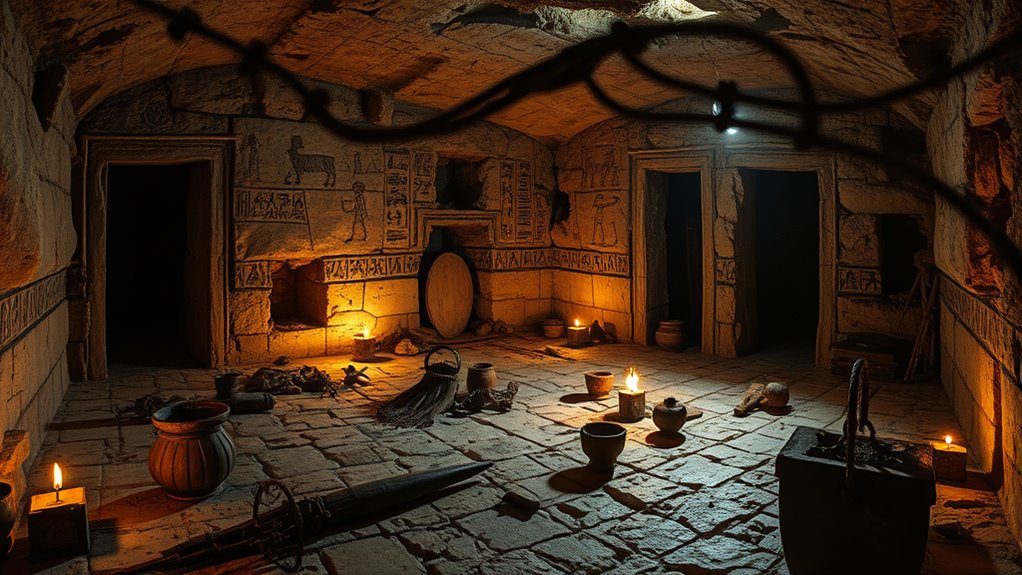
Ancient curses are often linked to the elaborate burial rituals performed by early societies. These rituals weren’t just about laying a body to rest; they involved complex procedures, offerings, and protective spells meant to safeguard the deceased in the afterlife. When archaeologists discover tombs that appear to be intentionally sealed or filled with protective symbols, it hints at a fear of what might happen if these rituals are broken. Sometimes, inscriptions or warnings carved into tombs explicitly threaten curses on anyone who enters without permission. These inscriptions served both as deterrents and as a means to uphold the sacredness of the burial site, reinforcing the idea that the dead’s spiritual domain was off-limits and protected by divine forces. Additionally, modern scientific explanations such as biological hazards or structural instability have been proposed to explain some of the misfortunes associated with tomb exploration, highlighting how perceptions of curses can blend myth and reality.
The allure of cursed tombs often lies in their mysterious and ominous reputation. People tend to associate ancient curses with real danger, especially when explorers or treasure hunters experience misfortune after disturbing these sites. However, many of these curses are rooted in cultural beliefs about respecting the dead and maintaining the sanctity of burial rituals. In some cases, these stories may have been exaggerated or fabricated to deter grave robbers or outsiders from meddling with sacred relics. Yet, the enduring fascination with cursed tombs persists because it taps into universal fears of the unknown and the supernatural, reminding us of the profound significance ancient civilizations attached to death and the afterlife.
Ultimately, the concept of curses tied to tombs reflects a deep respect for burial rituals and the spiritual importance of honoring the dead. Whether rooted in genuine supernatural beliefs or cultural storytelling, these stories serve as a reminder of the care and reverence ancient peoples invested in their final resting places. They also highlight how archaeology often uncovers not just artifacts but the complex beliefs and fears that shaped ancient societies—fears that continue to captivate us today.
ancient tomb protective symbols
As an affiliate, we earn on qualifying purchases.
As an affiliate, we earn on qualifying purchases.
Frequently Asked Questions
Are There Documented Cases of Curses Affecting Modern Archaeologists?
There are no documented cases of curses affecting modern archaeologists, despite superstitious beliefs still influencing some individuals. While stories of curses persist, archaeological skepticism remains high, and most experts view such claims as myths or coincidences. You should approach these tales critically, understanding that scientific evidence doesn’t support curses impacting archaeologists today. Instead, focus on rigorous research and safety protocols rather than superstitions.
How Do Archaeologists Differentiate Between Natural Decay and Alleged Curses?
You differentiate between natural decay and alleged curses by conducting thorough soil analysis and artifact authentication. Soil analysis reveals decomposition processes, moisture levels, and contamination, helping you understand decay causes. Artifact authentication confirms whether items are genuine or tampered with, ruling out modern interference. By combining scientific methods like these, you can objectively assess if natural processes explain deterioration or if legends of curses hold any validity.
What Are the Most Famous Cursed Tombs in History?
You’ve probably heard of King Tutankhamun’s tomb, which gained fame due to ancient legends and superstitious beliefs surrounding its discovery. The Tomb of the Pharaohs in the Valley of the Kings and the Mausoleum of the First Qin Emperor are also notorious. These sites became legendary because of tales of misfortune and curses, fueling fears that disturbing these tombs would invoke supernatural wrath, making them some of history’s most famous cursed tombs.
Have Any Curses Been Proven to Be Real or Scientifically Verified?
Superstitious beliefs often fuel stories of curses, but scientifically, no archaeological skepticism confirms any curse as real. You should know that most supposed curses are based on coincidence or storytelling, not evidence. While stories about cursed tombs persist, rigorous scientific investigation hasn’t verified their supernatural claims. So, although they intrigue you, these curses remain unproven and are best understood as cultural myths rather than factual phenomena.
How Do Local Cultures Interpret and Handle Cursed Tombs Today?
Think of local cultures as guardians of their stories, and cursed tombs are like whispered legends passed down through generations. Today, people interpret these as part of their cultural identity, often performing rituals to honor ancestors or dispel fears. Local legends shape their actions, and they handle cursed tombs with respect, sometimes sealing or protecting them, believing that cultural rituals maintain harmony and prevent misfortune from the mysterious curses.
archaeological excavation safety gear
As an affiliate, we earn on qualifying purchases.
As an affiliate, we earn on qualifying purchases.
Conclusion
As you explore cursed tombs and archaeology, remember that these ancient sites hold secrets more profound than any legend. The idea of curses may be exaggerated, but the stories they contain reveal humanity’s obsession with immortality and divine justice. By uncovering these tombs, you’re revealing worlds that threaten to swallow you whole—echoes of civilizations lost to time. Embrace the mystery, for in doing so, you become part of a saga far greater than yourself.
mummy and tomb exploration tools
As an affiliate, we earn on qualifying purchases.
As an affiliate, we earn on qualifying purchases.
cursed tomb replica artifacts
As an affiliate, we earn on qualifying purchases.
As an affiliate, we earn on qualifying purchases.