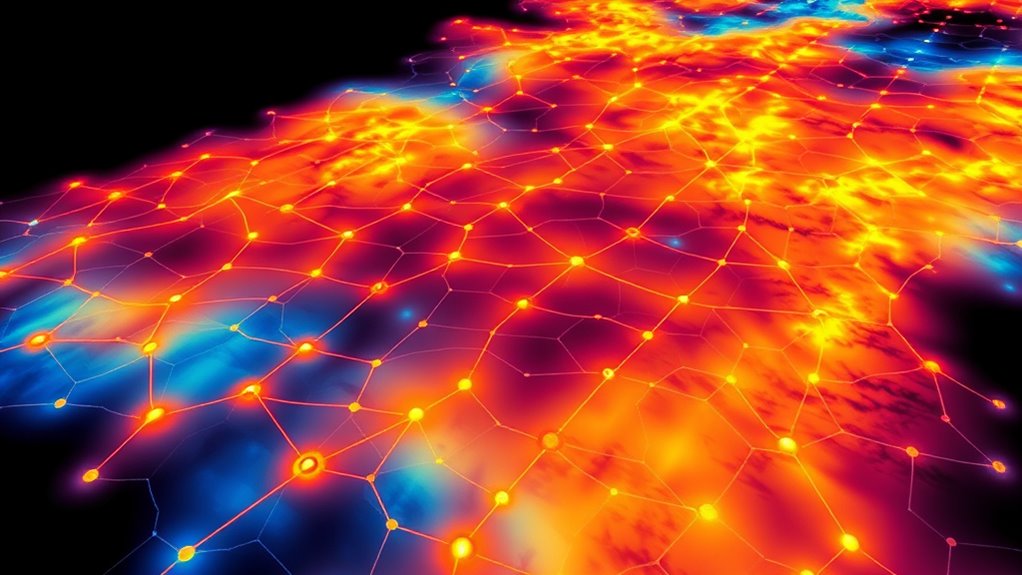

Cold spots and hot spots are areas within your space that have lower or higher temperatures, often caused by drafts, poor insulation, or heat leaks. Using thermal imaging, you can quickly pinpoint these temperature variations, which impact comfort, safety, and efficiency. Cold spots may lead to mold or cold discomfort, while hot spots could signal electrical issues or heat loss. Understanding these differences helps you improve your environment—keep exploring to learn how to identify and fix them effectively.
Key Takeaways
- Cold spots indicate areas of heat loss or poor insulation, often near exterior walls or windows.
- Hot spots reveal heat sources or leaks, such as heating systems or electrical appliances.
- Thermal imaging visualizes temperature variations, making it easier to identify problem areas.
- Detecting cold and hot spots enhances energy efficiency, safety, and comfort in buildings.
- Addressing these spots can prevent issues like mold growth, electrical hazards, and energy waste.

Have you ever wondered why certain areas in a room or a city feel noticeably colder or warmer than others? It’s a common experience, but understanding the why behind these temperature differences can be quite revealing. One way to see these variations clearly is through thermal imaging, which captures the temperature distribution across surfaces or spaces. This technology uses infrared cameras to visualize heat, turning invisible temperature differences into vivid images. By analyzing thermal images, you can quickly identify cold spots—areas that are substantially cooler—and hot spots—those that are unexpectedly warmer. These variations are often subtle to the naked eye but become strikingly obvious with thermal imaging, revealing the underlying causes like drafts, insulation gaps, or heat leaks.
Thermal imaging provides a snapshot of the temperature distribution within a space, making it easier to pinpoint problem areas. For example, in a building, cold spots might appear along exterior walls or near windows, indicating poor insulation or air leaks. Hot spots, on the other hand, could show up around heating systems or appliances that generate excess heat. This visual data helps you understand how heat flows and distributes in a given environment, offering insights that are hard to grasp through mere observation. You’ll see how certain materials or structural flaws influence the temperature landscape, allowing you to make targeted improvements. It’s especially useful for energy audits, helping you identify where heat escapes and where you need better insulation to improve efficiency.
Understanding the temperature distribution also plays an essential role in safety and comfort. Cold spots can cause discomfort, especially in winter, and may lead to mold growth if moisture accumulates. Hot spots might indicate electrical issues or overheating appliances, posing safety risks. Using thermal imaging, you can detect these issues early, often before they become major problems. It’s a proactive approach that saves money and enhances safety by addressing thermal irregularities promptly. Plus, it’s a straightforward way for homeowners, engineers, and facility managers to visualize heat patterns without invasive procedures.
In essence, recognizing the importance of temperature distribution helps you manage indoor climates better and optimize energy use. Thermal imaging bridges the gap between what you see and what’s really happening behind walls or under floors. It turns complex heat flow data into easy-to-understand visuals, empowering you to take informed actions. Whether you’re troubleshooting a cold spot in your home or analyzing heat leaks in a city, understanding these temperature variations is key. They reveal the hidden story of heat movement, guiding you toward more efficient, comfortable, and safe environments.

HF96 Thermal Camera with Laser Pointer, Intelligent Scene Detection, Super Resolution 240 x 240, -4°F~1022°F, Thermal Imaging Camera 96 x 96 IR Resolution, 25 HZ Infrared Camera, 11h Runtime
【Intelligent Scene Recognition with IntellFault】HF96 features HSFTOOLS' unique IntellFault technology for automated scene detection. Powered by deep learning,…
As an affiliate, we earn on qualifying purchases.
As an affiliate, we earn on qualifying purchases.
Frequently Asked Questions
How Do Cold Spots Affect Overall Energy Efficiency?
Cold spots decrease your overall energy efficiency by causing heat to escape through thermal bridging and air leakage. When these spots form, your heating system works harder to maintain a comfortable temperature, wasting energy. By sealing air leaks and insulating properly, you reduce cold spots, improving insulation and preventing heat loss. This helps lower energy bills and makes your home more comfortable and energy-efficient.
Can Hot Spots Cause Equipment Damage Over Time?
Hot spots can indeed cause equipment damage over time. Studies show that uneven heat distribution increases the risk of thermal bridging, which can weaken components. Additionally, hot spots promote moisture buildup, leading to corrosion and mold growth. This combination accelerates equipment deterioration, making it essential to identify and address hot spots early. Proper insulation and ventilation help prevent these issues, ensuring your equipment stays safe and operational longer.
What Are Common Causes of Temperature Inconsistencies?
You often experience temperature inconsistencies due to insulation degradation or airflow disturbances. Insulation can wear out over time, reducing its effectiveness and causing uneven temperatures. Airflow disturbances, like blocked vents or improperly maintained fans, disrupt the even distribution of air, creating hot or cold spots. Regular maintenance, proper insulation, and ensuring unobstructed airflow help you minimize these issues and maintain a consistent temperature throughout your space.
How Can Hot Spots Be Detected Early?
Imagine you’re inspecting a manufacturing line; thermal imaging quickly spots a hot spot on a motor bearing. Using thermal imaging for early detection allows you to identify hot spots before they cause failure. Regular scans help catch temperature anomalies early, preventing costly downtime. You should incorporate thermal imaging into your maintenance routine to monitor equipment continuously, ensuring hot spots are detected in time to take corrective action.
Are Cold Spots Indicative of Insulation Problems?
Yes, cold spots often indicate insulation problems. When insulation degrades or shifts, it creates areas where heat escapes more easily, leading to colder spots. Air leakage can also cause cold spots, as warm air escapes and cold air enters. These issues compromise energy efficiency. You should inspect for insulation degradation and seal any air leaks to improve your home’s insulation and maintain a consistent indoor temperature.
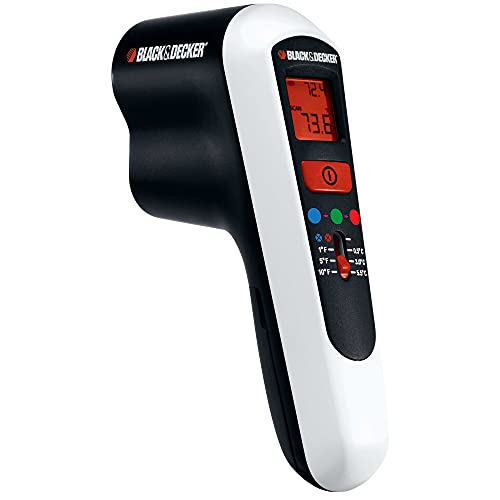
BLACK+DECKER Thermal Leak Detector (TLD100)
SAVE ON ENERGY COSTS – Track down power-draining drafts around the house to help reduce your heating and…
As an affiliate, we earn on qualifying purchases.
As an affiliate, we earn on qualifying purchases.
Conclusion
Now that you understand cold spots and hot spots, you’ll see these patterns everywhere—from your home’s insulation to medical imaging. Recognizing these areas helps you make smarter decisions and improve efficiency. So, next time you notice uneven temperatures or signals, ask yourself: are you truly aware of what’s happening behind the scenes? By paying attention, you can better analyze, troubleshoot, and optimize your environment or systems. Isn’t it time you started seeing the unseen?

Innova 3360 Thermal Camera – Infrared Camera with Heat Vision – Identify Hot/Cold Spots -4° ~ 1112°F – Easy to Use Thermal Imager
IDENTIFY HEAT PROBLEMS SIMPLY: The Innova 3360 thermal camera helps you detect heat differences using basic thermal imaging….
As an affiliate, we earn on qualifying purchases.
As an affiliate, we earn on qualifying purchases.

Etekcity Infrared Thermometer Laser Temperature Gun 774, Meat Food Candy Oven Thermometer for Griddle Accessories, Heat Gun for Cooking Refrigerator Tools, Adjustable Emissivity & Max Measure, Yellow
𝐕𝐞𝐫𝐬𝐚𝐭𝐢𝐥𝐞 𝐓𝐨𝐨𝐥𝐬: Infrared technology allows you to measure various objects at home and outdoors; Use it for 𝒎𝒆𝒂𝒕,…
As an affiliate, we earn on qualifying purchases.
As an affiliate, we earn on qualifying purchases.