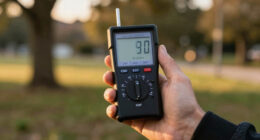
Infrasound consists of low-frequency vibrations that are below your hearing range but can still be detected by your body. These vibrations can subconsciously activate your brain’s threat detection system, sparking feelings of unease, fear, or anxiety without you realizing why. Environmental sources like traffic or natural events often produce infrasound, influencing your mood subtly over time. Understanding how these invisible signals affect you can help you recognize their influence and explore what lies beneath these unseen fears.
Key Takeaways
- Infrasound activates the body’s stress and fear responses through subconscious detection of low-frequency vibrations.
- Natural and human-made sources generate infrasound that can influence mood without conscious awareness.
- The brain interprets infrasound as environmental cues signaling potential danger, triggering primal fear reactions.
- Persistent exposure to infrasound can lead to feelings of unease, anxiety, and altered perception over time.
- Recognizing infrasound sources helps manage its psychological effects and supports mental well-being.

Although infrasound—the low-frequency noise below the threshold of human hearing—can go unnoticed, it has a powerful effect on our emotions. You might not realize it, but subtle environmental sources of infrasound are constantly around you, subtly influencing your psychological state. These sounds originate from natural phenomena like thunderstorms, volcanic activity, and ocean waves, but they also stem from human-made sources such as heavy machinery, wind turbines, and traffic. While you can’t hear these sounds directly, your body can still detect their vibrations, triggering psychological effects that influence your mood and perceptions. Environmental factors like these can have cumulative impacts on mental health over time. Research shows that exposure to infrasound can induce feelings of unease, anxiety, or even fear, even when you’re unaware of its presence. This is because the human brain interprets these low-frequency vibrations as signals of danger or disturbance. When your environment produces infrasound, your nervous system reacts, activating stress responses that heighten alertness or discomfort. This subconscious processing can lead you to feel anxious or uneasy in environments where infrasound is prevalent, even if you can’t pinpoint why.
Environmental sources of infrasound are everywhere, making it difficult to escape their influence. For example, if you live near busy highways or industrial zones, constant low-frequency vibrations might subtly affect your mood over time. Similarly, large-scale natural events like storms or earthquakes generate infrasound that can be detected by your body. These sounds, though inaudible, can contribute to a sense of dread or anticipation, especially if your brain associates such environmental cues with danger. The psychological effects of these sounds are often amplified by your perceptions and personal experiences, which can influence how strongly you respond to them.
Your mind is wired to respond to threats, even those you’re not consciously aware of. When environmental sources produce infrasound, your subconscious picks up on these cues, activating primal fear responses. This happens without your awareness, which is why you might feel uneasy in certain environments without understanding why. The effects of infrasound on your psychological state aren’t just theoretical; they can influence your behavior, cause sleeplessness, or even lead to paranoia if you’re exposed over long periods. Recognizing these environmental sources and understanding their psychological effects is key to managing your emotional well-being, especially if you notice persistent feelings of fear or discomfort in certain settings.
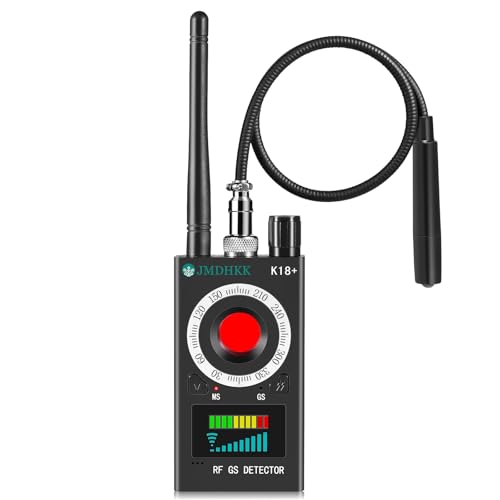
JMDHKK K18+ Hidden Camera Detector, Spy Camera Finder, Bug Detector, Magnetic Field Detector, Listening Device Detector – Privacy Protection Tool for Home, Office, Hotel, and Travel Security(Black)
Hidden Camera Detection: This device ensures your privacy by effectively identifying hidden cameras in hotels, bathrooms, and other…
As an affiliate, we earn on qualifying purchases.
As an affiliate, we earn on qualifying purchases.
Frequently Asked Questions
Can Infrasound Be Used Intentionally to Induce Fear?
Yes, infrasound can be intentionally used to induce fear, especially in military applications and psychological manipulation. You might encounter it as a tool to disorient or unsettle opponents or crowds. By generating specific infrasound frequencies, you could cause discomfort, anxiety, or panic. However, its use raises ethical concerns, and understanding its effects is vital to prevent misuse or unintended harm in these sensitive contexts.
Are Animals More Sensitive to Infrasound Than Humans?
You might notice that elephants communicate using infrasound, which humans can’t hear, highlighting their heightened sensitivity. Animals generally have lower sensory thresholds for infrasound, making them more sensitive than humans. This increased sensitivity allows them to detect distant threats or communicate over long distances. For example, infrasound plays a vital role in animal communication, and their ability to perceive it surpasses ours, giving them a survival advantage in their environment.
How Long Does It Take for Infrasound to Affect Emotions?
Infrasound can affect your emotional response within seconds to minutes, depending on the intensity and duration. The timing effects vary because your sensitivity to infrasound differs based on individual factors like stress levels and environmental conditions. When exposed to persistent infrasound, you might notice heightened anxiety or unease quickly. Short bursts may have a delayed impact, but overall, your emotional response can be quite rapid once infrasound reaches certain thresholds.
Is Infrasound Detection Possible With Everyday Devices?
You probably can’t detect infrasound with everyday devices because of their frequency detection limitations. Most smartphones and standard audio equipment aren’t designed to pick up such low frequencies, which are below human hearing. Specialized equipment is necessary to accurately measure infrasound. So, unless you have advanced tools, infrasound detection isn’t feasible with common devices, making it difficult for you to monitor or study these inaudible waves at home.
Can Infrasound Exposure Cause Long-Term Psychological Effects?
Yes, exposure to infrasound can cause long-term psychological effects if you’re not resilient or lack emotional regulation. It may lead to anxiety, sleep disturbances, or mood swings over time. Strengthening your psychological resilience and practicing emotional regulation techniques can help mitigate these effects. Staying aware of your environment and managing stress levels can protect your mental health from potential long-term impacts of infrasound exposure.

Noise Monitoring Device for Airbnb | Noise & Occupancy Sensor | Indoor Noise & Occupancy Monitor | Noise Detector Privacy-Safe for Rentals, Noise Sensor for Offices & Homes
Layla Noise Monitoring Device: Accurately tracks sound levels to help maintain a calm, secure, and well-managed property environment….
As an affiliate, we earn on qualifying purchases.
As an affiliate, we earn on qualifying purchases.
Conclusion
Now that you understand how infrasound can trigger fear responses, imagine what secrets it might still hold. Could there be unseen forces lurking just beyond the edge of perception, subtly influencing your emotions? As science uncovers more about these mysterious sounds, one thing’s certain—your sense of safety might never be the same. Are you ready to face what’s hidden beneath the surface, or will you keep wondering what’s truly out there in the silence?

System Sensor 5624 Fixed Temperature Heat Detector
As an affiliate, we earn on qualifying purchases.
As an affiliate, we earn on qualifying purchases.
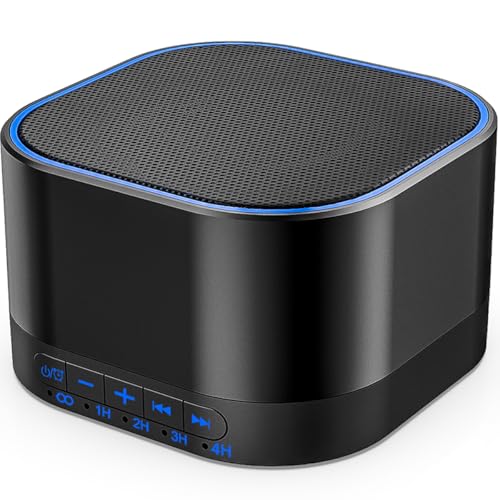
Magicteam Sound White Noise Machine with 20 Non Looping Natural Soothing Sounds and Memory Function 32 Levels of Volume Powered by AC or USB and Sleep Sound Timer Therapy for Baby Kids Adults
❤20 Non-Looping Sleep Sounds: White noise ,Brown noise, pink noise, blue noise, fan,brook, rain, ocean,bird and Bonfire,suitable for…
As an affiliate, we earn on qualifying purchases.
As an affiliate, we earn on qualifying purchases.