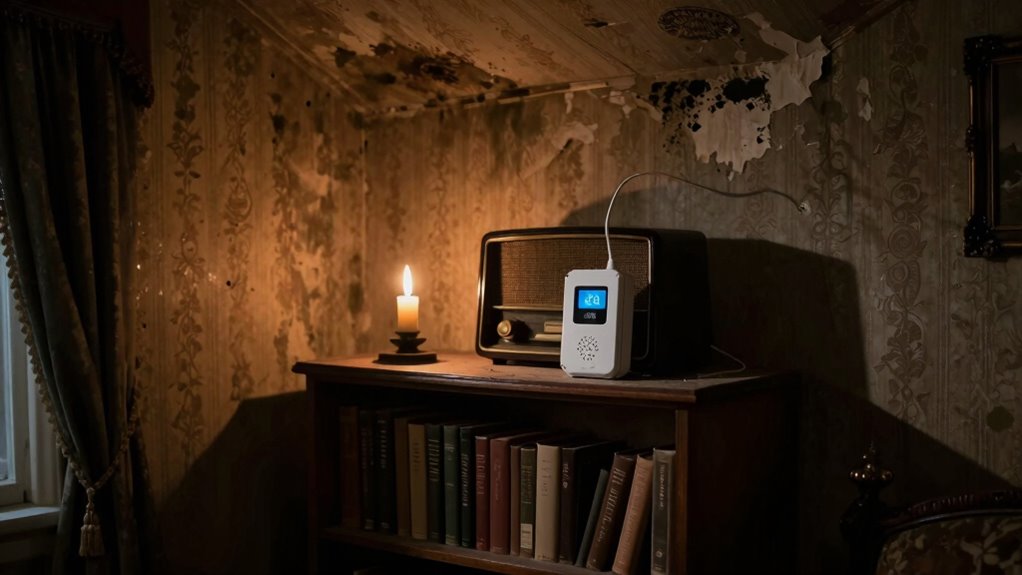
Before jumping to paranormal conclusions, it’s important to check for mold and radon, as these environmental hazards can cause symptoms like dizziness, headaches, or respiratory issues that mimic ghostly sensations. Mold can weaken your home’s structure, while radon infiltration points to hidden cracks and vulnerabilities. Addressing these issues not only improves your indoor air quality but also guarantees your home is safe and stable. Keep exploring to uncover more about safeguarding your space.

Get books and reading essentials delivered free — and shop member deals
- Fast, free delivery on millions of items
- Access to Prime Big Deal Days deals on October 6–7
- Prime Video, Amazon Music and more included
Key Takeaways
- Mold and radon can cause symptoms like headaches, fatigue, and respiratory issues, often mistaken for paranormal activity.
- Detecting environmental hazards ensures health concerns are addressed before attributing issues to ghosts.
- Testing identifies hidden mold and radon infiltration that may compromise home safety and structural integrity.
- Proper ventilation and moisture control prevent mold growth and radon buildup, reducing false paranormal experiences.
- Addressing these hazards improves indoor air quality, ensuring a safer, healthier environment before considering supernatural causes.
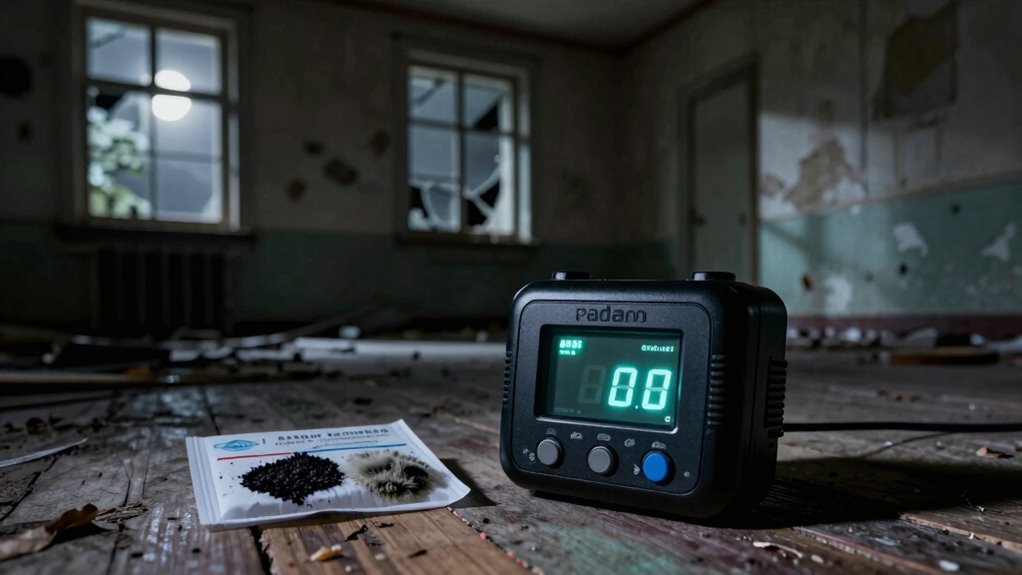
Mold, for example, can produce musty odors, cause respiratory problems, and create a feeling of unease that might feel otherworldly. If your house has poor ventilation or hidden water leaks, mold can thrive unnoticed, impacting your health and perception of the space. Proper ventilation and moisture control are essential in preventing mold growth and maintaining a healthy environment. Even small, persistent water issues can lead to significant mold problems over time if not addressed promptly. Regular inspection and maintenance can help identify hidden sources of moisture before they lead to mold development. Radon, a radioactive gas that seeps from the ground, can accumulate in basements and lower levels, leading to symptoms like fatigue, headaches, or dizziness—sensations easily mistaken for ghostly presence. Testing for radon is straightforward and can reveal dangerous levels that need immediate mitigation, making it essential to rule out before attributing strange experiences to spirits.
Beyond health concerns, these environmental issues can also affect your house’s structural integrity and energy efficiency. Mold can weaken wood and drywall over time, compromising the stability of your home’s framework. Radon infiltration, often through cracks in the foundation, indicates underlying structural vulnerabilities that may require repairs. Addressing these issues not only improves safety but also boosts your home’s energy efficiency. Sealing cracks and improving ventilation help prevent radon buildup and reduce drafts, saving you money on heating and cooling. Recognizing environmental hazards early can prevent misdiagnosing symptoms as paranormal activity and ensure your home remains safe and comfortable. Additionally, proper air quality management plays a crucial role in maintaining a healthy indoor environment and can often mitigate the effects of these hazards. Understanding indoor air quality and its impact on health is vital for maintaining a safe living space. These steps guarantee that any strange sensations aren’t caused by drafts or deteriorating materials but are genuinely paranormal.
As an affiliate, we earn on qualifying purchases.
Frequently Asked Questions
Can Mold and Radon Exposure Cause Paranormal Activity?
Mold and radon exposure don’t cause supernatural origins, but environmental factors can influence your perception of paranormal activity. When you’re exposed to mold or radon, you might experience symptoms like hallucinations, fatigue, or anxiety, which could be mistaken for haunting phenomena. It is crucial to check for these environmental factors first, as they can mimic or amplify supposed paranormal activity, helping you determine if what you’re experiencing has natural causes.
How Long Does It Take to Test for Mold and Radon?
Testing for mold and radon is like opening a window to your home’s hidden health secrets. Air quality testing methods vary—radon tests can take 48 hours to a few days, while mold assessments might need 24 to 72 hours, depending on the method. During this time, you’ll uncover whether unseen threats lurk within your walls, helping you distinguish real danger from ghostly illusions.
Are Professional Inspections Necessary for Accurate Results?
Professional inspections are definitely necessary for accurate results. While DIY methods might seem cost-effective, they often lack precision and can miss hidden issues. Investing in expert testing guarantees reliable detection of mold and radon, helping you avoid costly mistakes later. Although professional inspections cost more upfront, they provide peace of mind and thorough assessments, making them a worthwhile investment compared to the potential expense and health risks of inaccurate DIY testing.
Can Mold and Radon Levels Fluctuate Over Time?
Yes, mold and radon levels can fluctuate over time due to environmental fluctuations. Changes in temperature, humidity, ventilation, and weather can impact indoor air quality, causing these levels to rise or fall. Regular testing is essential to monitor these variations, especially if you’re concerned about health risks or strange odors. Staying vigilant helps you maintain a safe living environment and address issues promptly before they worsen.
What Are the Health Risks of Unchecked Mold and Radon?
You might think mold and radon aren’t a big deal, but unchecked, they can seriously harm your health. Exposure increases your risk of respiratory issues, allergies, and even lung cancer. During home renovation or pest infestations, these dangers worsen. Ignoring mold and radon can lead to long-term health problems, making it essential to test for them beforehand. Don’t let hidden hazards turn your home into a health threat.
Conclusion
So, before you start calling in ghostbusters, maybe check for mold and radon first—because what’s scarier than a haunting? Turns out, it’s just a sneaky, invisible menace lurking in your walls. Save yourself the ghostly paranoia and a hefty cleanup bill. After all, uncovering a real threat beats chasing spirits that might just be mold spores in disguise. Stay smart, stay safe—your haunted house might just be a hazardous health hazard in disguise!
Fall Picks
fall essentials
As an affiliate, we earn on qualifying purchases.