
After the 1912 Villisca axe murders, investigations highlighted the importance of thorough crime scene analysis and evidence preservation, leading to lasting changes in forensic and law enforcement practices. The case drew widespread media attention and left a haunting legacy that fuels local legends and ongoing investigations. Though the killer was never identified, the case influenced future crime scene techniques and public perceptions of justice. To understand how these events shaped police work and society, keep exploring the details behind this infamous case.
Open a free Amazon Business account
Business pricing, bulk buying and tax-exempt orders.
As an affiliate, we earn on qualifying purchases.
Key Takeaways
- The 1912 Villisca axe murders remain unsolved, shaping ongoing investigations and forensic practices.
- Crime scene analysis emphasized evidence preservation, influencing future law enforcement procedures.
- Media coverage and public fascination grew due to the case’s brutality and unresolved mystery.
- The case led to improvements in crime scene handling and forensic techniques in early 20th-century policing.
- The house’s haunting legacy continues to attract investigations, paranormal interest, and cultural references.
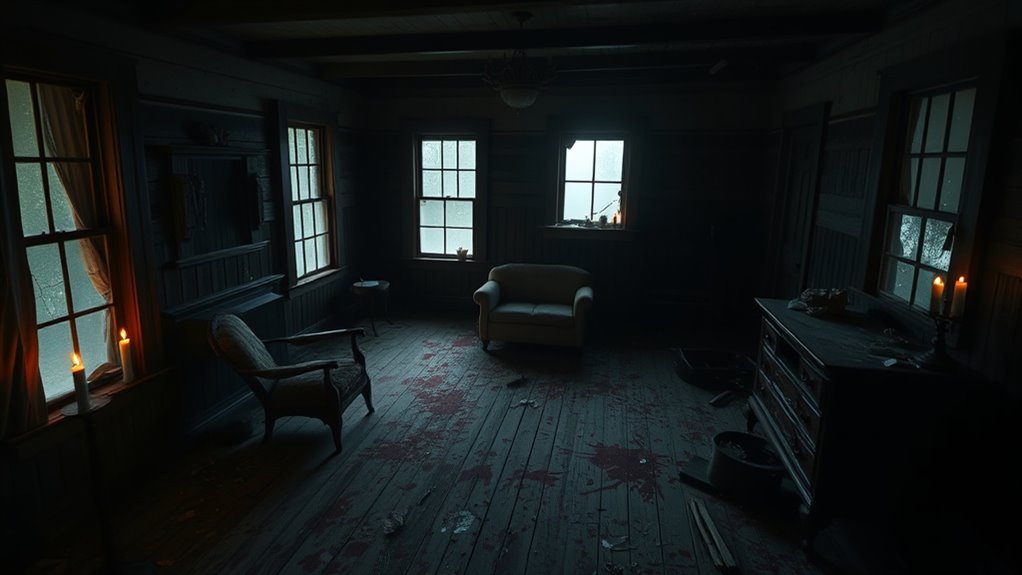
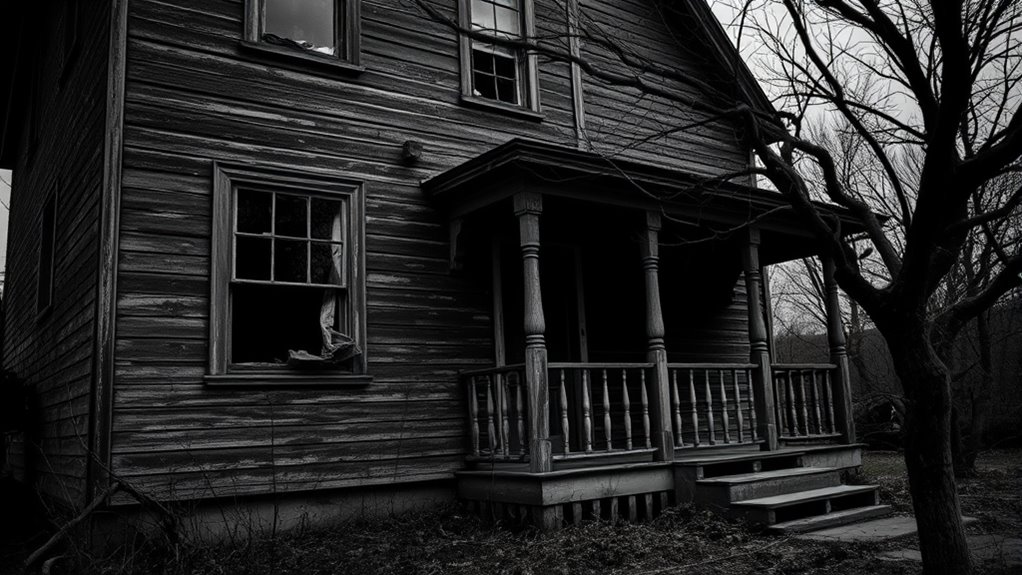
The Villisca Axe Murder House is a chilling historic site in Iowa where, in 1912, eight people, including six children, were brutally murdered with an axe. When you step into the house today, you can imagine the horror that unfolded within its walls. The crime scene from that night remains one of the most haunting and investigated in American history. The brutal nature of the murders shocked the nation and left a lasting mark on the community and law enforcement agencies. The evidence collected from the crime scene painted a grim picture of the violence that took place, with bloody footprints, weapon remnants, and personal belongings scattered around. This scene became a focal point for investigators as they sought answers to a seemingly senseless act of violence. The details uncovered at the crime scene fueled speculation and fear, and the brutal method used to kill the family added to the horror. Over time, the crime scene’s disturbing details contributed considerably to its place in American criminal history, influencing future investigations and forensic procedures. It also sparked widespread media coverage, capturing the attention of newspapers and the public across the country. The case’s unresolved nature and the eerie atmosphere of the house have kept it at the center of local legend and paranormal interest. The historical impact of the Villisca murders extends beyond the immediate tragedy. It prompted changes in police procedures, emphasizing the importance of thorough crime scene analysis and evidence preservation. The case also raised questions about justice, as the killer was never conclusively identified or convicted, leaving a sense of unresolved mystery that still fascinates historians and true crime enthusiasts today. Researchers and authors have studied the case extensively, analyzing evidence and testimonies to piece together what might have happened that night. Their sources include police reports, witness statements, and personal letters from the time, all contributing to the ongoing debate about the perpetrator’s identity and motives. The event’s historical impact is evident in how it shaped both law enforcement practices and public perceptions of crime during that era. The Villisca house remains a powerful reminder of the tragedy, and its legacy is preserved through visits, investigations, and stories that continue to evolve. When you explore the house and its history, you’re stepping into a pivotal moment in criminal history that changed how investigators approach crime scenes and how society grapples with unsolved mysteries. The case’s enduring influence underscores the importance of understanding the full context of the crime scene and the ripple effects it created across law enforcement and cultural history. Additionally, the case contributed to the development of forensic techniques and the importance of evidence preservation in criminal investigations.
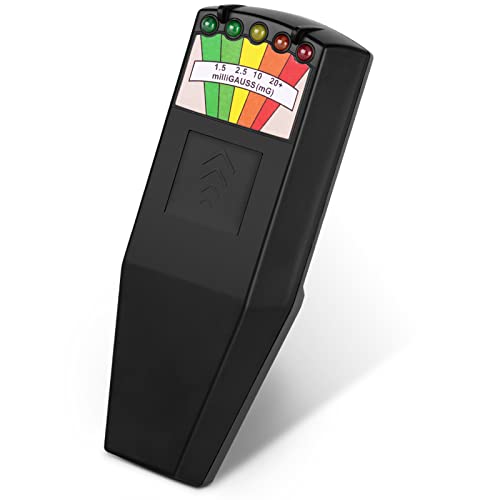
color tree Handheld LED EMF Magnetic Field Ghost Hunting Detector Electromagnetic Paranormal Equipment Tester 50Hz-20,000Hz Black
- EMF Measurement Range: 50Hz-20,000Hz for ghost hunting
- Location Association: Links to reported paranormal sites
- Battery Operated: Uses a single battery for operation
As an affiliate, we earn on qualifying purchases.
As an affiliate, we earn on qualifying purchases.
Frequently Asked Questions
Were Any Suspects Ever Formally Charged With the Villisca Murders?
You won’t find any suspects who were formally charged with the Villisca murders. Authorities compiled suspect profiles and examined forensic evidence, but no concrete proof linked anyone to the crime. Despite ongoing investigations and theories, no one faced legal charges, leaving the case officially unsolved. You can consider this case a haunting mystery, relying on circumstantial evidence and suspect profiles that never led to formal prosecution.
What Was the Public’s Reaction to the Crime and Investigation?
Did you feel the intense public panic when the Villisca murders occurred? The community was gripped by fear, and media sensationalism fueled the chaos. People demanded answers, often jumping to conclusions without proof. The widespread anxiety led to heightened suspicion and hysteria, making the investigation even more stressful. Can you imagine how unsettling it must’ve been for residents and outsiders alike, caught in a storm of fear and media frenzy?
How Did the Murders Impact Local Community Policies?
You see that the murders prompted significant changes in your community policies. In response, local leaders prioritized community safety by implementing stricter safety measures and increasing law enforcement reforms. These actions aimed to prevent future tragedies and rebuild public trust. As a result, your community became more vigilant, with improved policing practices and safety protocols to protect residents and ensure a more secure environment.
Are There Any Known Supernatural Legends Associated With the House?
You might be surprised to learn that the Villisca Axe Murder House is shrouded in supernatural legends. Its haunted reputation draws many who claim to hear unexplained noises or see shadowy figures. Rumors whisper of restless spirits lingering, fueling the house’s eerie aura. If you’re curious about the paranormal, this house’s chilling stories will keep you on edge, making it one of the most infamous haunted sites in the country.
What Are the Most Credible Theories Explaining the Crime’s Motive?
You might consider that the most credible theories behind the crime’s motive involve psychological motives, like the killer’s possible mental instability or rage, and sociopolitical factors, such as local tensions or conflicts of that era. Some experts suggest the murderer acted impulsively, driven by personal issues, while others believe broader societal pressures or disputes played a role. These explanations remain the most plausible given the limited evidence.
Conclusion
So, after all this, you can rest assured that the Villisca Axe Murder House remains a shining example of early 20th-century hospitality—if your idea of hospitality involves uninvited guests wielding axes. The tragedy, cloaked in mystery and lingering specters, reminds us that even in innocence, chaos can quietly lurk. Truly, history’s most charming bed-and-breakfast, where every night promises a new chapter in the art of suspense. Sleep well, if you dare.
Back to school Picks
back to school
As an affiliate, we earn on qualifying purchases.