
If you’re ghost hunting, a backpack offers quick access to your gear, making it easier to grab cameras or batteries without delays, especially in tight or uneven spaces. It also distributes weight comfortably over your shoulders, ideal for extended hunts. A rolling case works well on flat terrain and is easier to maneuver, but can slow you down or become cumbersome on stairs or rough ground. Keep exploring to find out which option best suits your investigation environment.

Get books and cozy reading nights delivered free with Prime
- Fast, free delivery on millions of items
- Prime Video, Amazon Music and more included
- Member-only deals all year
Key Takeaways
- Backpacks offer quick access to gear and batteries, crucial for fast-paced ghost investigations.
- Rolling cases are ideal for flat surfaces but hinder movement on uneven terrain.
- Backpacks distribute weight evenly, enhancing comfort during extended hunts.
- Rolling cases provide better protection but may slow setup in tight or rough environments.
- Eco-friendly, lightweight materials in backpacks support sustainable and efficient ghost hunting practices.
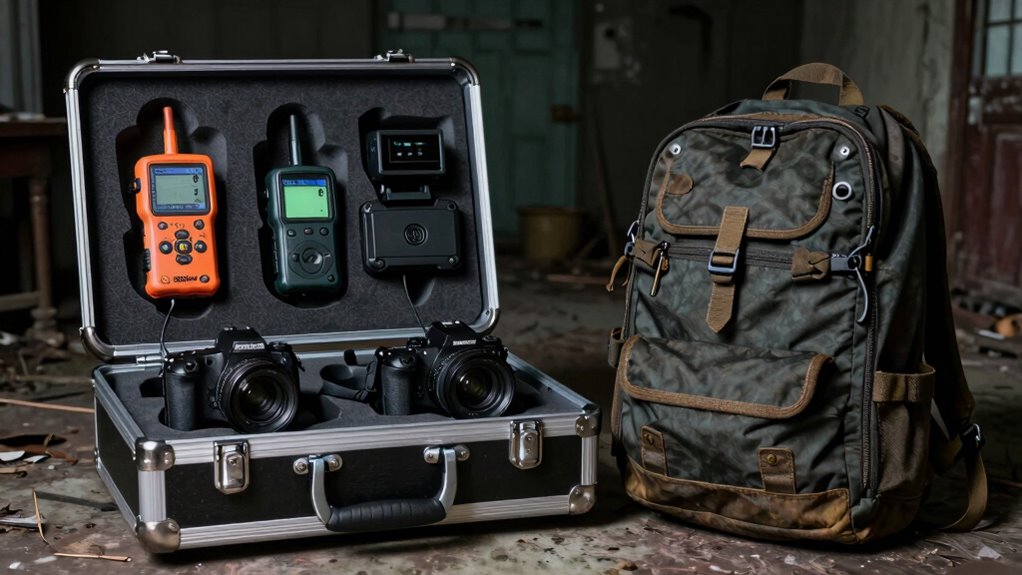
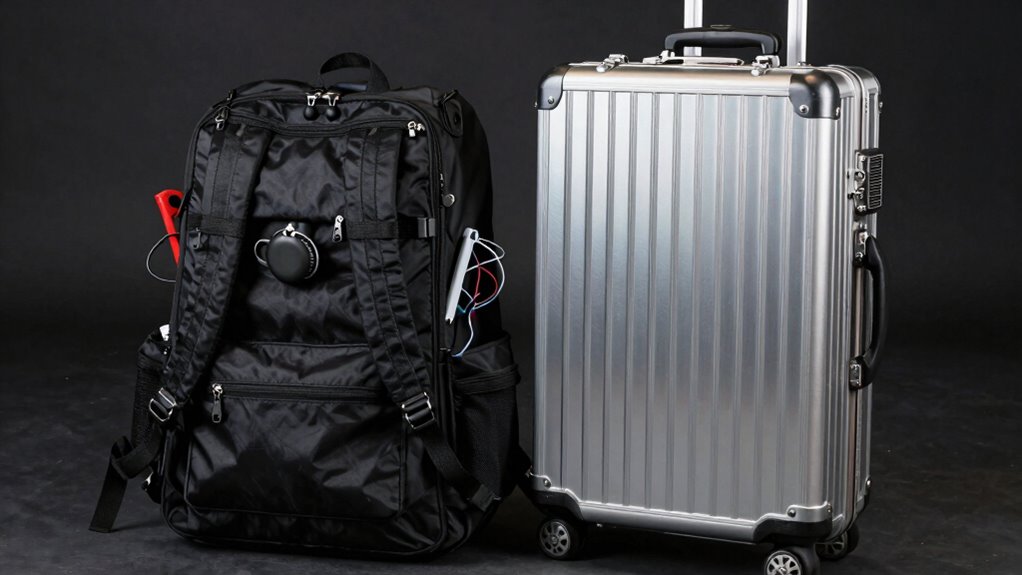
When choosing the right way to carry your ghost hunting gear, the decision between a backpack and a rolling case often comes down to practicality and personal preference. Both options have their strengths, but understanding how they affect your setup and ease of use can make a huge difference during a hunt. For instance, your camera placement becomes more straightforward with a backpack because you can access your gear quickly and keep everything close at hand. With a rolling case, you might need to stop and open compartments, which can cause delays or missed moments. If you prefer fast, seamless access to your camera or other equipment, a backpack generally provides better organization and mobility, especially in tight or uneven terrain.
Backpacks offer quick access and mobility, ideal for uneven terrain and fast-paced ghost hunting situations.
Battery management is another crucial factor. A backpack allows you to carry spare batteries easily, keeping them accessible for quick swaps without interrupting your investigation. You can organize spare batteries in dedicated compartments or pouches, ensuring you always have power when needed. This is especially useful during long night sessions where running out of juice can halt your progress. On the other hand, a rolling case often has larger compartments for batteries, but accessing them might require more effort. If you’re in a hurry or moving frequently, a backpack’s quick access can be a significant advantage, reducing downtime and keeping your investigation on track. Additionally, equipment organization is vital for efficiency, and a well-structured backpack can help you stay prepared at all times. Incorporating ergonomic design principles into your gear setup can further minimize fatigue during extended investigations. Selecting gear with lightweight materials can also enhance mobility, especially during long nights.
Weight distribution also plays a role in your choice. Backpacks tend to distribute weight evenly across your shoulders and back, which is beneficial if you’re moving around a lot or climbing stairs. This comfort can be crucial during extended investigations, preventing fatigue and ensuring your focus stays on the hunt. Rolling cases, while easier to maneuver over flat surfaces, can become cumbersome on uneven terrain or stairs, potentially slowing you down or causing strain. If you anticipate navigating rough terrain or stairs, a backpack may be the more practical choice, helping you stay agile while maintaining your gear’s safety. Furthermore, considering biodiversity in your gear setup can encourage more environmentally friendly choices, such as lightweight, durable materials that minimize your ecological footprint. Moreover, sustainable practices in outdoor investigations are increasingly important, and selecting eco-conscious gear can contribute positively to the environment.
Ultimately, your decision hinges on your specific needs and the environment in which you’ll be hunting. If quick access to camera placement and efficient battery management are top priorities, and you’re moving through uneven or confined spaces, a backpack usually serves better. If you prefer smoother transport over flat surfaces and don’t mind stopping to access your gear, a rolling case offers convenience and extra storage capacity. Whichever you choose, make sure it aligns with your style of investigation, so your gear supports your ghost hunting efforts without hindrance.
As an affiliate, we earn on qualifying purchases.
Frequently Asked Questions
Which Is More Durable for Rough Terrains During Investigations?
A rolling case is more durable for rough terrains during investigations because it often features sturdy materials like reinforced plastic or metal, offering better material durability. Plus, many are water-resistant, protecting your gear from moisture and splashes. Backpacks, while portable, usually have softer materials that may wear out faster on uneven surfaces. So, if you’re tackling rough terrain, a water-resistant, durable rolling case is your best bet.
How Do Weight Distribution Differences Affect Long-Term Comfort?
Weight distribution considerably impacts your long-term comfort during ghost hunts. A backpack offers better ergonomic support by evenly distributing weight across your shoulders and back, reducing fatigue. However, if the load is uneven or heavy, it can cause discomfort over time. A rolling case shifts weight to the wheels, minimizing strain on your body and offering fatigue reduction. Choose based on your terrain and duration to maintain comfort throughout your investigation.
Are There Specific Brands Recommended for Ghost Hunting Gear?
You should consider brands like Pelican, Nanuk, or Lowepro for ghost hunting gear. They offer durable storage compartments to keep your equipment organized and secure. Look for models with camera mounts, so you can easily set up your devices during investigations. These brands are trusted for their ruggedness and thoughtful design, ensuring your gear stays protected and accessible, whether you choose a backpack or rolling case.
What Security Features Are Available for These Cases?
You’ll find cases equipped with security locks and tamper-proof designs to keep your ghost hunting gear safe. Security locks, like combination or key locks, prevent unauthorized access, while tamper-proof features deter theft and accidental opening. Look for cases with reinforced latches and sturdy locking mechanisms. These features give you peace of mind during your investigations, ensuring your equipment stays secure, no matter where your ghost hunting adventures take you.
How Do Cost Differences Impact Overall Equipment Organization?
Cost differences shape your equipment organization by influencing your choices and priorities. With cost efficiency in mind, a backpack often offers affordability, helping you maximize budget considerations and allocate funds for additional gear or accessories. Conversely, a rolling case might cost more upfront but provides better organization, protection, and ease of transport. Balancing these factors guarantees your ghost hunting gear stays organized, accessible, and protected without overspending.
Conclusion
Choosing between a backpack and a rolling case depends on your style and needs. If you prefer quick access and mobility over rough terrain, a sturdy backpack keeps everything close and secure. Imagine rushing through a haunted house, gear bouncing comfortably on your back. On the other hand, a rolling case might seem bulky, but it keeps your equipment pristine and ready for action. Think about the ease of gliding over uneven ground—sometimes, convenience makes all the difference in your ghost-hunting adventure.
Fall Picks
fall essentials
As an affiliate, we earn on qualifying purchases.