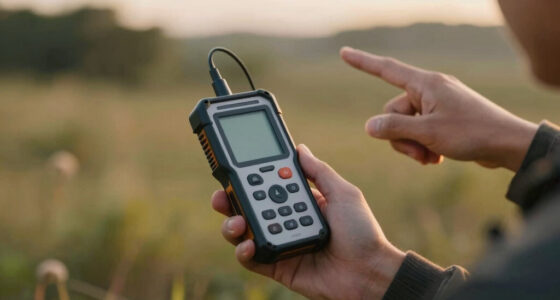
Carbon monoxide detectors are crucial safety tools when exploring haunted locations, as they alert you to invisible, odorless hazards that can mimic paranormal activity. Environmental dangers like gas leaks can cause symptoms such as dizziness or hallucinations, which may be mistaken for spirits. Using these detectors helps you distinguish real threats from illusions, ensuring your safety and clarity during investigations. Keep exploring to discover more essential safety tips for haunted environments and paranormal encounters.

Get books and cozy reading nights delivered free with Prime
- Fast, free delivery on millions of items
- Prime Video, Amazon Music and more included
- Member-only deals all year
Key Takeaways
- Carbon monoxide detectors identify invisible, odorless gases that can cause poisoning, ensuring safety during paranormal investigations.
- Elevated carbon monoxide levels can mimic supernatural symptoms like dizziness or hallucinations, risking misinterpretation.
- Reliable detection technology is essential to differentiate between genuine paranormal activity and environmental hazards.
- Incorporating detectors into safety protocols protects investigators from health risks while exploring haunted locations.
- Regularly testing and maintaining CO detectors ensures they function correctly, providing peace of mind during investigations.

While carbon monoxide detectors are indispensable for protecting your household from invisible dangers, many people overlook their importance in the context of paranormal safety. Haunted locations often evoke feelings of unease and curiosity, but they can also present real risks that go beyond ghostly encounters. Spirit activity has long been associated with old, abandoned, or historically significant places—locations where the air quality might be compromised or unusual occurrences could indicate something more tangible. In such settings, having a working carbon monoxide detector isn’t just about preventing poisoning; it’s about safeguarding your awareness of unseen threats.
When you visit a haunted location, you might experience strange noises or sensations, but it’s important to consider that some of what you encounter could be linked to environmental hazards. For example, old buildings with poor ventilation or damaged heating systems can produce elevated carbon monoxide levels, which might mimic or intensify feelings of dread or disorientation often attributed to spirit activity. Without a detector, you might dismiss symptoms like headaches, dizziness, or nausea as supernatural phenomena, when in reality, they’re signs of a dangerous gas leak.
A functioning carbon monoxide detector acts as an essential tool, alerting you to invisible dangers that could be lurking in the shadows of haunted sites. It guarantees you’re aware of hazardous conditions that might otherwise go unnoticed, especially since carbon monoxide is odorless and colorless. When you’re exploring or investigating old homes, abandoned asylums, or historic landmarks, you should always prioritize safety—both physical and paranormal. Knowing that your detector is working provides peace of mind, allowing you to focus on your experience without risking your health.
Moreover, spirit activity often coincides with locations where the environment has been compromised over time. The presence of hazardous gases like carbon monoxide can cause hallucinations or altered perceptions, which some might interpret as paranormal phenomena. By maintaining properly functioning detectors, you reduce the chance of misinterpreting a health emergency as a supernatural encounter. This clarity helps you differentiate between genuine spirit activity and physiological reactions caused by environmental dangers. Additionally, awareness of detection technology can help you recognize the signs of gas exposure early, preventing potential health crises during your explorations. It’s also beneficial to understand indoor air quality and how it affects perceptions during investigations.
Understanding the importance of detection technology in these settings can be crucial for safety, as it highlights the need for reliable equipment to identify unseen threats. By maintaining properly functioning detectors, you reduce the chance of misinterpreting a health emergency as a supernatural encounter. This clarity helps you differentiate between genuine spirit activity and physiological reactions caused by environmental dangers.
In the end, integrating carbon monoxide detectors into your safety protocol at haunted locations isn’t just about preventing poisoning. It’s about maintaining awareness of all unseen threats—whether paranormal or chemical—that could threaten your well-being. When you approach haunted sites equipped with the right safety measures, you protect yourself physically while still allowing space for authentic paranormal experiences to unfold. Ultimately, safety and curiosity can go hand in hand when you take the right precautions, ensuring your adventures remain both exciting and secure.
carbon monoxide detector for haunted locations
As an affiliate, we earn on qualifying purchases.
As an affiliate, we earn on qualifying purchases.
Frequently Asked Questions
Can Ghost Activity Trigger False Alarms on Carbon Monoxide Detectors?
Ghost activity or spirit interference can sometimes trigger false alarms on carbon monoxide detectors in a haunted house. While these detectors are designed to sense gas, peculiar electromagnetic fields or static energy from paranormal phenomena might cause malfunctions. You should always prioritize safety and check for real carbon monoxide leaks if alarms go off. If you suspect spirit interference, consult a professional to differentiate between genuine hazards and unusual paranormal activity.
Are There Specific Detectors Designed for Paranormal Phenomena Detection?
Did you know that some 60% of paranormal investigators use specialized equipment? While there are no detectors explicitly designed for ghost detection, some paranormal equipment, like EMF meters and spirit boxes, aim to sense unusual energy. However, these devices aren’t as reliable as traditional safety detectors, such as carbon monoxide alarms. If you’re exploring hauntings, combine paranormal tools with standard detectors to stay safe and gather evidence effectively.
How Often Should I Test My CO Detector for Paranormal Safety?
You should test your CO detector weekly to guarantee it’s functioning correctly, especially for paranormal safety. Regular sensor calibration is essential because it maintains accuracy, so follow the manufacturer’s instructions for calibration and maintenance. When testing, press the test button to confirm the alarm sounds properly. Don’t forget to replace batteries annually and clean the detector regularly to prevent dust buildup, which can interfere with its performance.
Do Certain Spirits or Energies Interfere With Electronic Safety Devices?
Certain spirits or energies, especially those linked to strong paranormal activity, can interfere with electronic safety devices. Studies suggest that spiritual interference occurs in about 20% of haunted locations, disrupting electronic signals. Paranormal energy may cause false alarms or malfunctions, making it important to regularly test and maintain your safety devices. While there’s no scientific proof, many believe that intense spiritual activity can affect electronic equipment, so stay vigilant and keep safety measures in check.
Can Carbon Monoxide Poisoning Symptoms Mimic Paranormal Experiences?
Yes, carbon monoxide poisoning symptoms can mimic paranormal experiences in a haunted house. You might feel dizzy, confused, or have headaches—symptoms often mistaken for spectral interference or ghostly activity. If you notice these signs, it’s vital to get tested for CO poisoning immediately, as it’s dangerous. Don’t rely solely on your senses; make certain your safety with proper detectors, and always rule out physical causes before assuming paranormal activity.
Conclusion
By installing carbon monoxide detectors, you’re taking a vital step in protecting yourself from unseen dangers—whether from a faulty appliance or a mysterious, unexplained presence. Imagine a family discovering their detector alerting them just before a gas leak, preventing a tragedy. Similarly, understanding paranormal safety basics keeps you prepared for the unexpected. Staying vigilant with detectors and safety measures guarantees you’re safeguarding your home from both real and perceived threats, giving you peace of mind.
Halloween Picks
halloween
As an affiliate, we earn on qualifying purchases.